Categories:
Places & PartnersTravelApril 16, 2026

Article Highlights:
- Terrain in the Pyrenees is far steeper and more physically demanding than most European hunters expect.
- Day hunts offer flexibility and reduced logistical burden compared to high-altitude expeditions.
- Superior optics — especially sporting scopes and binoculars — are critical to locating well-camouflaged Ibex.
- Long-range shooting at steep angles is the defining technical challenge of the hunt.
- Preparation for unpredictable terrain and weather is essential for both success and safety.
Hunting in the Pyrenees is one of Europe’s most technically demanding and visually stunning pursuits.For experienced hunters, the appeal lies in the combination of accessibility and challenge. This is not a casual European outing. The Pyrenees demand physical conditioning, technical shooting proficiency and a disciplined approach to glassing. The Ibex, perfectly adapted to this harsh terrain, rewards patience and punishes complacency.
As Kelli Poole, Global Rescue sales manager and an avid world traveler and hunter, explains, “People often underestimate European mountain hunts. The Pyrenees, in particular, can be physically demanding.”
Pyrenean Terrain Can be Rougher Than You Think
One of the most consistent surprises for first-time hunters in the Pyrenees is the terrain itself. Europe carries a perception of refinement and accessibility, but the chamois and ibex habitats can tell a different story.
The mountains here are steep, broken and can be unforgiving. Sharp ridgelines, loose scree slopes and vertical rock faces define much of the landscape. Elevation gains are often abrupt rather than gradual and footing can shift under every step.
“The terrain hits you fast,” says Poole. “You’re not easing into altitude or terrain, you’re in it immediately. It’s rougher than most hunters expect for Europe.”
This unpredictability requires preparation. Physical conditioning should emphasize not just endurance, but balance and stability. Hiking poles, proper mountain boots and layered clothing are foundational.
Weather adds another variable. Conditions can shift rapidly, with clear mornings giving way to fog, wind or rain within hours. Hunters must be prepared for changing visibility and temperature swings throughout the day.
The Nature of the Hunt: Strategic Day Hunts
Unlike remote expeditions in Central Asia or Africa, ibex hunting in the Pyrnees is typically conducted as a series of day hunts. This structure offers a distinct advantage: flexibility.
Hunters often return to a base lodge or accessible accommodation each evening, allowing for recovery, reassessment and adjustments to strategy. This reduces logistical complexity while maintaining the intensity of the hunt itself.
“Day hunts give you breathing room,” Poole notes. “You can push hard during the day and still recover properly. That balance helps you stay sharp over multiple days.”
This does not make the hunt easy, however. Each day can involve significant elevation gain, long stalks and extended glassing sessions. The benefit is not reduced difficulty but improved sustainability over the course of the hunt.
Spotting the Ibex and Chamois: Optics Are Everything
Ibex and chamois are masters of concealment. Their coloration blends seamlessly with the rocky terrain, making them extraordinarily difficult to detect, even at relatively close distances.
This is where optics become decisive.
High-quality spoting scopes and binoculars are essential tools, not accessories. Hunters spend a significant portion of the day glassing distant slopes, scanning for subtle movement or the faint outline of horns against rock.
“You’re looking for something that doesn’t want to be seen,” Poole explains. “Without top-tier binoculars and a good spotting scope, you’re at a serious disadvantage.”
Time behind the glass allows hunters to identify mature animals, assess trophy quality and plan a viable approach route before committing to a stalk. Poor optics lead to missed opportunities and wasted effort.
In this environment, clarity, magnification, and eye relief are critical. Early morning and late afternoon — prime movement periods — often coincide with challenging lighting conditions. Inferior optics simply won’t perform when it really matters.
Long Shots and Steep Angles
Once an ibex or chamois is located and a stalk is executed, the final challenge begins: the shot.
Shots in the Pyrenees are rarely straightforward. Distances are often extended, and angles are steep — either uphill or downhill. These conditions introduce ballistic complexities that require preparation and experience.
Gravity affects bullet trajectory differently on angled shots, effectively shortening the horizontal distance. Hunters must adjust accordingly, often relying on rangefinders with angle compensation or prior training in mountain shooting.
“Make sure to take the time to build a good base when shooting,” says Poole. “You’re dealing with elevation, wind and sometimes unstable terrain and vegetation”
Wind is another factor. Mountain environments create unpredictable air currents that can shift direction and intensity quickly. Reading these conditions accurately is essential for ethical, effective shooting.
Practicing long-range shooting before the hunt is critical. Familiarity with your rifle, ammunition and ballistic performance under varied conditions can make the difference between success and a missed opportunity.
Expect the Unexpected
Preparation for an ibex hunt in the Pyrenees requires a comprehensive approach to uncertainty.
Terrain can change rapidly. Weather can shift without warning. Visibility can disappear in minutes. Hunters must be ready to adapt.
Key preparation considerations include:
- Training for steep ascents and descents.
- Practicing shooting from unconventional positions.
- Testing gear under real-world conditions.
- Building endurance for consecutive days of effort.
“Preparation is what keeps a hunt from turning into a struggle,” Poole emphasizes. “The more variables you can be prepared for ahead of time, the more you can focus on the hunt itself.”
Mental preparation is equally important. Patience, discipline and the ability to remain focused under pressure define successful hunters in this environment.
Why the Pyrenees Stand Out
The Pyrenees are unique because of their accessibility and intensity. Hunters can experience a true mountain hunt without the extreme remoteness of other global destinations, though the challenge remains authentic.
The ibex itself embodies this balance. Agile, resilient and perfectly adapted to its environment, it represents one of Europe’s most iconic game species.
For hunters seeking a test of skill rather than convenience, the mountains deliver.
“It’s one of those hunts that stays with you,” Poole reflects. “Not just because of the animal, but because of everything it takes to get there.”
The Global Rescue Connection
Lieutenant Colonel Rick Steiner, a retired US Army Special Forces commander with nearly two decades of operational experience, has spent years hunting in some of the most remote regions in the world. His perspective is direct and unambiguous:
“I’ve been to Afghanistan, Somalia, Uganda, Cameroon, Tanzania and British Columbia, so having a rescue organization standing behind me that has the capability to come get me anywhere I might be is an absolute necessity.”
Steiner’s hunts in southeastern Cameroon — deep within triple canopy jungle, surrounded by dangerous wildlife, extreme humidity and virtually nonexistent infrastructure — highlight a core truth that applies equally in the Pyrenees: risk is not always predictable, and it rarely presents itself the way you expect. Even experienced hunters, operating with discipline and awareness, encounter situations beyond their control.
In one case, a Global Rescue member hunting in similar remote conditions suffered a serious eye injury from something as mundane as a snapped elastic band. What began as a momentary accident quickly escalated into a potential loss of vision. From deep in the forest, Global Rescue coordinated an evacuation, guiding the hunting party to an airstrip, securing aircraft access and arranging onward transport to a specialized ophthalmology center in Belgium where treatment was immediately available.
In other incidents, Global Rescue has coordinated evacuations for hunters facing life-threatening illness in Mozambique and severe injuries following a leopard attack in Botswana, ensuring access to higher-level care when local medical infrastructure was insufficient.
These are not edge cases but are instead representative of what can happen when hunting in environments where terrain, wildlife and isolation intersect.
Even in the Pyrenees, where infrastructure is closer, the combination of steep angles, long-range shooting positions and remote ridgelines can delay traditional emergency response. A fall, a misstep on loose rock or a medical event at elevation can quickly turn into a logistical problem.
A Global Rescue membership bridges that gap.
Members gain access to field rescue from the point of injury, medical evacuation to the most appropriate facility — not just the nearest one — and 24/7 advisory support from experienced medical professionals. As Steiner experienced firsthand, that support extends beyond emergencies. When he fell ill during a trip, Global Rescue provided real-time medical guidance with a level of engagement comparable to a trusted physician.
“Global Rescue is the only service provider of its type that has earned my confidence,” Steiner said. “I simply won’t go on a hunting or fishing expedition without the peace of mind that comes from having a Global Rescue membership.”
(Lebanon, N.H. – April 16, 2026) – Global Rescue, the world’s leading provider of medical, security, evacuation and travel risk management services, has been named Best Traveler Protection for Adventure Travel in the 2026 Men’s Journal Travel Awards.
The annual awards recognize top travel companies and services based on performance, reliability and real-world effectiveness. Global Rescue earned top honors for its unmatched ability to respond to emergencies in remote and high-risk environments, where traditional travel insurance often falls short.
“The best travel protection for adventure travel isn’t about reimbursed flights or lost luggage—it’s about what happens when things go genuinely wrong in remote places,” said Ian Centrone, editor at Men’s Journal. “Global Rescue earned our recognition by excelling when the stakes are highest, delivering field rescue, medical expertise and global response capabilities that go far beyond conventional coverage.”
Beyond medical response, Global Rescue’s capabilities extend into complex security operations and crisis extraction missions in volatile environments, most recently in the Middle East. The organization regularly deploys security personnel — including former military special operations professionals — to support and evacuate travelers during geopolitical crises, civil unrest and volent conflict situations, including efforts to assist international travelers stranded by widespread airspace closures and escalating regional hostilities.
“Our security teams operate in highly dynamic environments where conditions can change rapidly,” said Fernando Lopez Medina, security operations supervisor at Global Rescue and a former U.S. Army Special Forces Green Beret. “We continuously assess threats, identify safe corridors and coordinate secure movements to relocate travelers from high-risk areas.”
Unlike conventional travel insurance providers that focus on reimbursement and hospital-to-hospital transport, Global Rescue provides on-the-ground response, including medically guided field rescues from virtually any location worldwide. Members can be transported directly from the point of injury or illness to their home hospital of choice.
“We assist adventure, business and leisure travelers in environments where immediate, expert response is critical,” said Dan Richards, CEO of The Global Rescue Companies. “This recognition reinforces our commitment to delivering the highest level of traveler protection — whether that means rescuing someone from a remote mountain or coordinating a complex security extraction in an unstable region.”
Global Rescue membership includes:
- Field rescue and evacuation from the point of illness or injury
- Security extraction and crisis response in high-risk environments
- No activity exclusions, covering pursuits such as mountaineering, trekking and extreme sports
- Medical advisory and telehealth services with direct access to leading physicians
- Global reach with integrated medical and security operations
“The Global Rescue model stands apart because it removes the limitations travelers often don’t realize exist until it’s too late,” Centrone added. “From remote extractions to real-time medical and security support, it’s a comprehensive safety net for serious travelers.”
For more than two decades, Global Rescue has supported travelers, enterprises and governments during crises ranging from natural disasters to geopolitical conflicts, providing expert response when and where it is needed most.
About Men’s Journal Travel Awards
The Men’s Journal Travel Awards recognize the best in travel, gear and services, highlighting companies that deliver exceptional performance, reliability and innovation for modern travelers. Awards are determined by editorial evaluation of real-world effectiveness and user value.
About Global Rescue
Global Rescue is the world’s leading provider of medical, security, evacuation and travel risk management services to enterprises, governments and individuals. Founded in 2004, Global Rescue has exclusive relationships with the Johns Hopkins Emergency Medicine Division of Special Operations and Elite Medical Group. Global Rescue provides best-in-class services that identify, monitor and respond to client medical and security crises. The company has supported clients through every major global crisis of the past two decades. For more information, visit www.globalrescue.com.
Categories:
Places & PartnersTravelApril 15, 2026
Article Highlights:
- Thailand offers exceptional value through affordable food, lodging and transportation without sacrificing cultural depth or beach appeal.
- Bangkok and Phuket showcase Thailand’s signature contrast between vibrant city energy and relaxing tropical escape.
- Thai culture shines through landmarks like Wat Arun, renowned hospitality and one of the world’s most celebrated food scenes.
- Travelers should plan for moderate risks including petty theft, hazardous roads, monsoon weather and regional security concerns.
- Strong pre-trip health planning, food and water precautions and evacuation support can significantly improve travel safety in Thailand.
Thailand has long held its position as one of the most compelling destinations in global travel and for good reason. Few countries deliver such a balanced combination of affordability, cultural depth, culinary excellence and geographic diversity. Whether you’re navigating the vibrant streets of Bangkok, relaxing on the beaches of Phuket or exploring ancient landmarks like Wat Arun, Thailand offers a layered experience that appeals to first-time travelers and seasoned explorers alike.
At its core, Thailand remains a high-value destination. Even as tourism demand increases and prices rise in popular areas, the country continues to deliver exceptional experiences at a fraction of the cost of comparable destinations. For travelers seeking both energy and escape, Thailand provides a rare duality: a place where bustling city life and tranquil island retreats coexist seamlessly.
Why Thailand Is Worth Visiting
Thailand’s appeal begins with accessibility and value. Accommodation ranges from budget-friendly guesthouses to luxury resorts, transportation is efficient and inexpensive and food — arguably the country’s greatest asset — is both affordable and world-class. A simple street-side serving of pad thai can rival meals at high-end restaurants anywhere in the world.
But cost alone does not define Thailand’s appeal. Its diversity is what sets it apart. In a single trip, travelers can experience dense urban energy, mountainous landscapes in the north and pristine tropical coastlines in the south. Bangkok delivers sensory overload — markets, temples, nightlife and modern infrastructure — while Phuket and other islands offer a slower pace defined by beaches and ocean views.
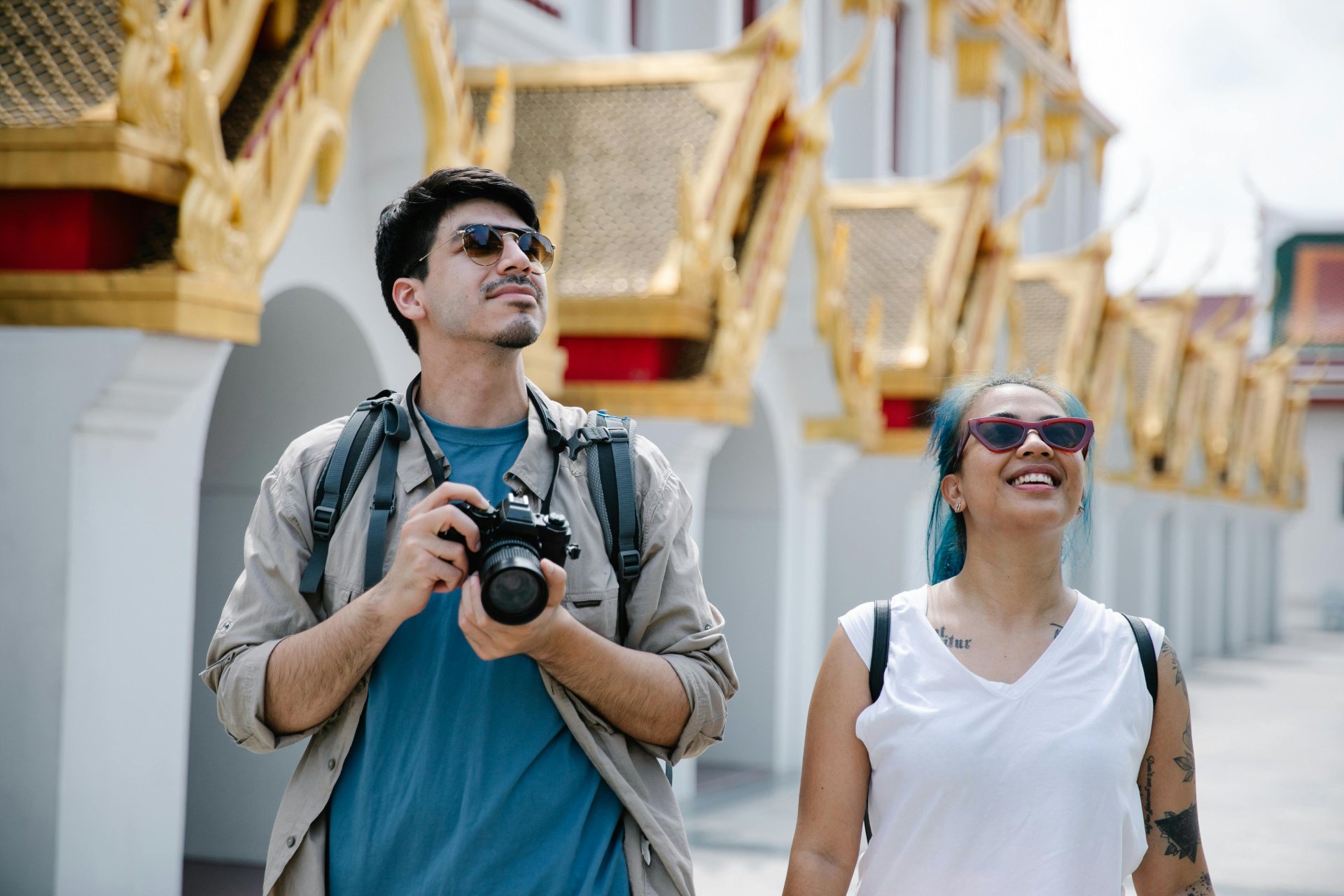
Culturally, Thailand is deeply rooted in tradition. Buddhist temples, royal palaces and historic sites provide a tangible connection to the country’s past. Landmarks such as Wat Arun, with its striking riverside spires, exemplify Thailand’s architectural and spiritual identity. Festivals, rituals and daily customs reflect a society that balances modernity with heritage.
Equally important is the country’s reputation as the “Land of Smiles.” Thai hospitality is widely recognized and for many travelers, interactions with locals become a defining part of the experience.
Bangkok: The Gateway to Thailand
Most journeys begin in Bangkok, a city that functions as both a gateway and a destination in its own right. It is a place of contrasts — where ancient temples stand alongside skyscrapers and luxury malls.
Bangkok’s appeal lies in its intensity. Street markets buzz late into the night, food vendors line nearly every street and cultural landmarks are woven into the urban fabric. Wat Arun, located along the Chao Phraya River, is one of the city’s most iconic sites. Its intricate design and riverside setting make it a must-visit for travelers seeking both history and visual impact.
Beyond temples, Bangkok offers a dynamic culinary scene. From street food stalls to Michelin-starred restaurants, the city is a global food capital. Pad Thai, green curry and mango sticky rice are just entry points into a much broader culinary landscape.
Bangkok, however, is not without its challenges. Traffic congestion, heat and crowds can be overwhelming, particularly in peak travel seasons. Navigating the city effectively requires patience and planning.
Phuket and Thailand’s Island Escape
If Bangkok represents energy, Phuket represents escape. As Thailand’s largest island and one of its most visited destinations, Phuket offers a mix of developed tourism infrastructure and natural beauty.
Beaches remain the primary draw. White sand, turquoise water and a wide range of accommodations make Phuket accessible to nearly every type of traveler. Activities range from snorkeling and diving to island-hopping excursions and luxury spa experiences.
That said, Phuket also highlights one of Thailand’s key trade-offs: popularity brings crowds. High-traffic areas can feel commercialized, particularly during peak season. Travelers seeking quieter experiences often explore nearby islands or less-developed coastal regions.
Even so, Phuket remains a cornerstone of Thailand travel. Its accessibility, amenities and scenery make it an essential part of the country’s tourism ecosystem.
Timing, Duration and Travel Strategy
Timing plays a critical role in shaping the Thailand experience. The most favorable conditions typically occur between November and February, when temperatures are more moderate and rainfall is limited. This period also coincides with peak tourist season, meaning higher prices and larger crowds.
Travelers visiting during the monsoon season may encounter heavy rains and occasional flooding, particularly in coastal regions. Off-peak travel, however, can also offer advantages, including fewer crowds and lower costs.
Duration is another consideration. While some argue that a week is too short to fully experience Thailand, even a limited visit can be worthwhile. The key is to prioritize regions rather than attempting to cover the entire country in one trip.
Safety, Risk and Realities
Thailand is generally considered safe for travelers, but it carries a moderate risk profile that requires awareness. Petty crime, including pickpocketing and theft, is most common in tourist-heavy areas such as Bangkok and Phuket. Road travel presents a more significant risk due to inconsistent driving practices and infrastructure challenges.
Political dynamics also matter. Thailand operates under a constitutional monarchy and strict laws limit criticism of the monarchy. Violations can result in serious legal consequences, making cultural awareness essential.
There are also regional risks. The southernmost provinces experience periodic violence due to insurgent activity and border areas with neighboring countries can be unstable. While these issues rarely impact mainstream tourism, they reinforce the importance of staying informed.
Health risks are another factor. Vector-borne diseases, foodborne illness and environmental hazards such as monsoons all require attention. Travelers should take preventive measures and understand that medical care varies significantly by location.
Immunizations and Health Risks
Travelers to Thailand should ensure routine vaccinations are up to date, including MMR, DPT and polio, while also considering additional protection against diseases such as hepatitis A and B, typhoid, influenza and region-specific risks like Japanese encephalitis or rabies depending on itinerary and exposure; consulting a travel health professional before departure is strongly advised.
Thailand presents a wide range of health risks including mosquito-borne diseases such as dengue and malaria, food- and waterborne illnesses like traveler’s diarrhea and typhoid, environmental hazards such as air pollution and flooding and exposure-related risks from contaminated water, animals or unsafe medical practices; most risks can be mitigated through preventive behavior, hygiene, insect protection and informed decision-making.
Medical care in Thailand varies widely. Bangkok and major tourist centers offer high-quality private hospitals with English-speaking staff, while rural areas may lack advanced facilities and timely emergency response. Payment is often required upfront and travelers should verify insurance coverage before treatment.
Food and water safety also require discipline. Tap water is not considered potable and travelers should rely on bottled or purified sources. Avoiding undercooked foods, unpasteurized products and improperly stored meals reduces the risk of illness.
The Global Rescue Connection
Thailand delivers extraordinary value, diversity and cultural depth, but it also presents a complex operating environment where medical, environmental and security variables can shift quickly. For travelers moving between urban centers, remote islands and rural regions, preparation is essential.
A Global Rescue membership provides a critical layer of protection beyond traditional travel insurance. Services include field rescue, medical evacuation, real-time medical advisory and access to vetted healthcare resources. When local systems fall short, Global Rescue coordinates care and transport to the most appropriate facility.
For example, Global Rescue facilitated the medical care of a member suffering from pericardial effusion while in Udon Thani, ensuring access to appropriate treatment. In another case, the organization provided medical advisory services and arranged a hospital referral in Bangkok for a member experiencing chest pain, demonstrating how rapid coordination can significantly improve outcomes.
Thailand remains one of the most rewarding destinations in the world, offering a rare combination of affordability, culture, cuisine and natural beauty. From the energy of Bangkok to the beaches of Phuket and the timeless presence of Wat Arun, the country delivers experiences that resonate long after the journey ends.
But Thailand is not a frictionless destination. It requires awareness, preparation and a realistic understanding of its risks. For travelers willing to approach it thoughtfully, the reward is a trip that feels both expansive and deeply personal — one that continues to define what international travel can be.
(Lebanon, N.H – April 14, 2026) – Rare natural phenomena such as auroras, solar eclipses, wildebeest migrations and volcanic eruptions are the strongest catalysts for event-driven international travel, surpassing sporting events, concerts and festivals, according to the Global Rescue Winter 2026 Traveler Sentiment and Safety Survey. Even so, the findings show that event travel remains a selective motivator, tempered by safety concerns, crowd density and overall risk tolerance.
Overall, 19% of travelers say natural phenomena are the most likely event type to influence their decision to travel internationally. Major sporting events rank a distant second at 11%, followed by music concerts or tours at 9% and cultural or religious festivals at 8%. Conferences and global summits trail at 6%. Notably, 39% of travelers say none of the listed live event types would influence their decision to travel internationally, reinforcing that event travel is not a primary driver for most travelers.
Women show a stronger inclination than men toward phenomenon-driven travel. Twenty-five percent of women say natural events such as auroras or solar eclipses influence their international travel decisions, compared to 15% of men. Men, however, are more likely to travel for major sporting events, with 19% citing sports as a motivator versus 9% of women. Women also demonstrate slightly higher interest in music concerts and cultural festivals.
US and non-US travelers differ sharply in their motivations. Non-US travelers are significantly more likely to travel internationally for natural phenomena, at 25%, compared to 17% of US travelers. US travelers are more inclined to say no event type influences their travel decisions at all, with 42% selecting “none of the above,” compared to 33% of non-US respondents.
“Natural phenomena create rare, time-specific travel opportunities that can’t be replicated or rescheduled,” said Dan Richards, CEO of The Global Rescue Companies and a member of the US Travel and Tourism Advisory Board at the US Department of Commerce. “That urgency makes these events more compelling than sports or entertainment, but they still don’t override safety, crowd and risk considerations for most travelers.”
Among travelers who do pursue event travel, planning approaches remain divided. Overall, 27% say they prefer to avoid event-driven travel altogether. About 21% say the event itself is the primary reason for the trip, and another 21% say the event strongly influences their destination choice. Fifteen percent treat events as a secondary add-on to an existing itinerary.
Non-US travelers are more likely to build trips around events, with 23% saying the event is the primary reason for travel and 26% saying it strongly influences destination choice. In contrast, 33% of US travelers say they prefer to avoid event-driven travel. Men are slightly more likely than women to avoid event travel, while women are marginally more likely to let events shape destination decisions.
Crowd density remains a critical limiting factor for event travel. Overall, 38% of travelers say crowds discourage them from attending events in person, while 33% prefer smaller or less crowded events. Only 20% say they tolerate crowds if the event is important, and fewer than 1% actively seek out large, high-energy crowds.
Women are more likely than men to say crowds discourage attendance, while men show a higher willingness to tolerate crowds for important events. US and non-US travelers express similarly high levels of crowd aversion, underscoring that large gatherings continue to elevate perceived risk regardless of traveler origin.
“These findings highlight that even the most compelling natural events must be matched with strong safety planning and crowd management,” Richards said. “For destinations hoping to attract event travelers, managing risk is just as important as promoting the spectacle.”
About the Global Rescue Traveler Sentiment and Safety Survey
Global Rescue, the leading travel risk and crisis response provider, surveyed more than 1,400 current and former members between January 13 – 17, 2026. Respondents shared their attitudes, behaviors and preferences related to travel safety, technology and global mobility.
About Global Rescue
Global Rescue is the world’s leading provider of medical, security, evacuation and travel risk management services to enterprises, governments and individuals. Founded in 2004, Global Rescue maintains exclusive relationships with the Johns Hopkins Emergency Medicine Division of Special Operations and Elite Medical Group. The company has provided medical and security support during every major global crisis over the past two decades.
Categories:
TravelApril 14, 2026
Article Highlights:
- Ticket fraud remains the most common and costly scam facing World Cup 2026 fans.
- AI-generated confirmations and deepfake customer support represent a new generation of highly convincing fraud.
- Accommodation scams are expected to surge in secondary host cities across Mexico, Canada and the United States.
- Visa, transport and credential phishing scams exploit the tournament’s multi-country format.
- Early planning, verified platforms and secure payment methods dramatically reduce risk.
The FIFA World Cup 2026 will be the largest sporting event ever held, spanning Mexico, Canada and the United States and drawing millions of international fans for more than a month of matches, festivals and global celebration. With unprecedented scale comes unprecedented opportunity, not just for travel and sport, but for fraud.
History shows that every mega-event attracts sophisticated scam operations. From counterfeit tickets at Qatar 2022 to accommodation fraud during the Olympics and identity theft surrounding major football tournaments in Europe and South America, criminal networks refine their tactics with every cycle. Early indicators suggest World Cup 2026 will be no exception.
Understanding the most common and emerging scams and how to prevent becoming a victim is now a critical part of travel planning for the FIFA World Cup 2026.
The Most Common FIFA World Cup 2026 Scams
Fake or Invalid Tickets (Primary Risk)
Ticket fraud remains the single most common scam associated with the world cup. Fraudsters sell counterfeit tickets, duplicate QR codes or tickets obtained through compromised accounts that are later voided. In many cases, victims do not realize they have been scammed until they are denied entry at the stadium. Warning signs include tickets offered before FIFA’s official sales phases, sellers providing PDF files or screenshots instead of official mobile transfers and individuals claiming affiliation with FIFA, host committees or sponsors. In reality, only FIFA’s official ticketing platform and authorized resale partners guarantee ticket validity and even polished, professional-looking secondary marketplaces can carry significant risk.
Accommodation Scams
Short-Term Rentals and Hotels: Lodging fraud typically spikes during major international events and the FIFA World Cup 2026 will be no exception. Scammers create fake short-term rental listings, clone legitimate hotel websites or advertise real properties without the owner’s knowledge, often directing travelers to pay outside trusted booking platforms. Red flags include requests for wire transfers or cryptocurrency, prices that are far below market value, limited or unverifiable reviews and vague property descriptions. This type of scam is expected to increase in secondary host cities, where accommodations are scarce and visitors may be unfamiliar with local neighborhoods.
Credential and Fan ID Phishing
Phishing scams target personal and travel credentials by impersonating FIFA, ticketing partners or immigration authorities through email or text messages. These messages request passport details, login credentials or payment information, frequently using urgent language that threatens ticket cancellation or travel disruption. Suspicious links that do not resolve to official FIFA or government domains and unsolicited requests for sensitive information are key warning signs. The consequences can include identity theft, ticket account takeovers and the resale of stolen tickets on secondary markets.
ATM Skimming and Payment Fraud
Payment fraud remains a persistent risk in tourist-heavy areas and near fan zones. Criminals use skimming devices or compromised point-of-sale terminals to capture credit card information, often without the victim’s immediate awareness. Travelers can reduce exposure by using contactless payments whenever possible, avoiding standalone ATMs in high-traffic tourist districts and closely monitoring bank and credit card statements throughout their trip.
AI-Generated Ticket and Booking Confirmations
The extended planning horizon and multi-country format of the FIFA world cup have opened the door to more sophisticated scams, including AI-generated ticket and booking confirmations. Advances in artificial intelligence allow fraudsters to create highly convincing documents featuring realistic barcodes, seat maps, airline branding and official-sounding language. These confirmations can pass casual inspection and may only be identified as fraudulent during final verification at a stadium or airport, making them particularly dangerous.
Deepfake Customer Support Impersonation
In this emerging scam, victims are redirected to fake customer service agents via platforms such as WhatsApp, Telegram or fraudulent call centers. Voice cloning technology and scripted responses are used to closely mimic legitimate customer support. A common scenario involves a claim that a ticket payment failed and must be re-verified, prompting victims to disclose payment or account information.
Border and Visa Fast-Track Scams: Some fraudulent services claim they can expedite visas for travel to the United States, Canada or Mexico by citing special FIFA-approved immigration lanes or World Cup-related fast-track processes. In reality, there is no guaranteed expedited visa program tied to match attendance and all visa requirements and processing timelines are determined solely by government authorities.
Host City Transport and Shuttle Scams
Transportation-related scams exploit the complexity of moving between host cities spread across three countries. Fake shuttle passes, parking permits or so-called “official fan transport” offers are sold online, often accompanied by QR codes that fail when scanned at pickup locations. With long distances and unfamiliar transit systems, fans are especially vulnerable to this type of fraud, making verification of transport providers essential.
Practical Risk Mitigation for World Cup 2026 Attendees
To reduce the risk of fraud, travelers should follow a disciplined approach throughout the planning process. Tickets should only be purchased through FIFA or officially authorized resale platforms and payments should never be sent via wire transfer, cryptocurrency or peer-to-peer apps to unknown parties.
Verifying website domains carefully before entering any personal or payment information is essential, as is using credit cards for major purchases to preserve chargeback and dispute rights. Extra vigilance is especially important during high-risk periods, including ticket release phases, group draw announcements, team qualification milestones and the final 90 days before matches, when scam activity typically peaks.
The scale, duration and geographic spread of the world cup 2026 make it uniquely attractive to organized fraud networks. Scams are expected to peak months before kickoff and again in the final weeks leading up to matches. Fans traveling across borders, juggling tickets, accommodations and transportation in unfamiliar cities face a broader threat landscape than ever before.
The Global Rescue Connection
Even the most prepared travelers can encounter unexpected risks during an event as large and complex as the FIFA World Cup 2026. Beyond fraud, medical emergencies, security incidents and logistical disruptions can arise far from home.
A Global Rescue membership provides critical support when it matters most, including field rescue, medical evacuation, real-time medical advisory services and global security assistance. For fans traveling across borders and navigating unfamiliar environments, Global Rescue offers an added layer of protection, expertise and peace of mind, so the focus remains on the game, not the risks.
Categories:
Places & PartnersTravelApril 10, 2026
Article Highlights:
- Security conditions vary significantly across Mexico, making risk awareness and destination selection essential for World Cup 2026 travelers.
- Mexico will host the FIFA World Cup 2026 at Estadio Azteca, Estadio Akron and Estadio BBVA, with Mexico City opening the tournament.
- Travel risks vary widely by region, making destination choice and preparation essential.
- Mexico City offers the strongest healthcare infrastructure, while rural areas remain limited.
- Transportation, water safety and medical planning are critical for international travelers.
Mexico offers extraordinary travel experiences, but security — not scenery — is the first variable serious travelers should evaluate. Conditions are not uniform. They shift by state, city and even neighborhood, requiring a more granular approach than many visitors expect.
For World Cup 2026, major host cities — Mexico City, Guadalajara and Monterrey — will operate under heightened security protocols. Expect increased police presence, controlled stadium access and reinforced tourist zones. These measures reduce risk inside event corridors, but they do not eliminate broader environmental factors.
Petty crime such as pickpocketing and theft is common in crowded environments, particularly public transit hubs and large gatherings like matches. More serious risks, including organized crime and express kidnapping, remain localized but real in certain regions. The practical takeaway is straightforward: where you go and how you move matters.
Travelers who treat Mexico as a single, uniform destination often underestimate this variability. Those who approach it as a collection of distinct risk environments tend to navigate it far more effectively.
Mexico and the FIFA World Cup 2026
Mexico will once again take center stage in global football, hosting matches across three iconic venues.
Mexico City will anchor the tournament at Estadio Azteca, the only stadium in history to host three World Cups. It will also host the opening match, placing the capital at the center of global attention. Guadalajara’s Estadio Akron brings modern design and one of the most passionate fan bases in the country, while Monterrey’s Estadio BBVA represents one of Latin America’s most advanced stadium environments.
For travelers, these venues offer world-class experiences, but they also concentrate crowds, increase movement complexity and elevate opportunistic crime risk. Planning transportation and arrival logistics in advance is not optional during major match days.
Mexico City: Infrastructure, Altitude and Urban Complexity
Mexico City is the country’s most developed urban environment and offers the strongest combination of infrastructure, healthcare and international accessibility.
Private hospitals meet high standards, making the city the safest location in Mexico from a medical standpoint. That distinction becomes critical in emergencies, especially compared to rural or coastal regions where capabilities drop significantly.
Mexico City, however, introduces its own challenges. At over 7,300 feet, altitude can affect visitors, particularly during physically demanding activities like navigating stadium crowds or long walking days.
Urban density also creates layered security considerations. Crowded metro systems, traffic congestion and large public gatherings increase exposure to petty crime. Rideshare platforms such as Uber and Didi are generally more controlled and reliable than street taxis or public transit during peak periods.
Food, Mezcal and Water Safety
Mexico’s cultural appeal is inseparable from its cuisine. From Mexico City’s fine dining to Oaxaca’s traditional kitchens, food is a central part of the experience.
Oaxaca stands out for its culinary heritage and its deep connection to mezcal (also spelled mescal), a spirit rooted in regional identity. Visitors often tour distilleries and explore traditional production methods, adding depth to the travel experience.
Yet food and water safety remain operational concerns. Tap water is not safe to drink due to contamination risks within distribution systems. Bottled or purified water is essential, and ice or raw foods should be approached cautiously. Street food can be exceptional, but vendor selection matters. High turnover, visible hygiene practices and local popularity are useful indicators of safety.
Transportation and Movement Risk
Mobility in Mexico requires more planning than many travelers anticipate. Public transportation systems are extensive but crowded, making them prime environments for theft. For World Cup travelers, this risk increases significantly around match venues and transit corridors.
Driving introduces additional variables. Road conditions vary, signage can be inconsistent and nighttime travel — particularly on highways — is strongly discouraged due to both safety and security concerns. The most reliable approach is controlled transportation: hotel-arranged vehicles, vetted private drivers or established rideshare platforms.
Emergency services are accessible via 911, but response times and capabilities can vary. Travelers should not assume US-level consistency, particularly outside major cities.
Risk Overview: A Layered Environment
Mexico’s overall risk profile is best described as moderate, but that classification masks important nuances. Security risks range from petty theft in tourist zones to organized crime activity in specific states. Demonstrations occur regularly and can escalate quickly, disrupting transportation and access.
Health risks also vary. Mexico City offers reliable care, but outside major urban centers, medical infrastructure can fall below international expectations. Many facilities require upfront payment before treatment, which can delay care in urgent situations.
Natural hazards further complicate planning. Hurricanes affect coastal regions, earthquakes occur periodically and volcanic activity remains an ongoing consideration in certain areas.
For travelers attending the FIFA World Cup 2026, the intersection of large crowds, infrastructure strain and regional variability makes preparation a critical component of the experience.
Before You Go: Entry and Preparation
Travel requirements are straightforward. US and Canadian citizens do not need a visa for stays under 180 days but must carry a valid passport and complete the Forma Migratoria Múltiple upon arrival. Customs regulations are strict. Firearms are prohibited, and certain medications or cash amounts must be declared.
Preparation should extend beyond documentation. Travelers benefit from pre-planning transportation, understanding regional risks and identifying medical facilities in advance — particularly if traveling beyond major cities.
The Global Rescue Connection
Mexico delivers culture, energy and once-in-a-generation events like the FIFA World Cup 2026 — but it also presents a layered risk environment where medical and security variables can change quickly.
A Global Rescue membership addresses the gaps that traditional travel planning cannot. Members receive field rescue from the point of illness or injury, medical evacuation to the most appropriate facility and 24/7 access to medical advisory services. Whether navigating altitude in Mexico City, traveling between host cities or exploring Oaxaca, expert support is always within reach.
The Security Add-On becomes especially valuable in a destination like Mexico. It provides real-time intelligence, security advisory support and, if conditions deteriorate, coordinated security extraction. Staffed by former military and special operations professionals, these teams monitor evolving threats, guide decision-making and assist with safe movement when environments become unstable.
For World Cup travelers, this combination matters. Large-scale events amplify both opportunity and risk. Crowds surge, infrastructure strains and situational awareness becomes harder to maintain.
Global Rescue transforms that uncertainty into structure. Instead of reacting to problems, members operate with a defined safety net — medical, logistical and security — already in place.
In a destination as dynamic as Mexico, that difference is operational.
Categories:
NewsApril 9, 2026
Categories:
Places & PartnersTravelApril 9, 2026
Article Highlights:
- Japan ranks among the safest countries in the world but medical costs and evacuation risks still affect travelers.
- US health insurance rarely works overseas, leaving visitors responsible for hospital bills in Japan.
- Earthquakes, typhoons and mountain adventures introduce risks many travelers underestimate.
- Standard travel insurance often reimburses expenses but may not coordinate rescues or evacuations.
- Medical evacuation from Japan can cost tens or hundreds of thousands of dollars depending on the situation.
Japan sits at the top of many travelers’ dream lists. According to recent traveler surveys, it consistently ranks as the destination people most want to visit if they could take one ideal international trip. The appeal is obvious: futuristic Tokyo skylines, centuries-old temples in Kyoto, iconic climbs on Mount Fuji and culinary traditions that range from street ramen to world-class sushi.
Few countries combine modern efficiency, cultural depth and natural beauty as seamlessly. Visitors can ride high-speed trains between historic cities, soak in volcanic hot springs, explore bamboo forests and dine at Michelin-starred restaurants, all within a single trip.
But the question travelers often ask before departure is surprisingly practical: Do you really need travel insurance or traveler protection for Japan?
The short answer is yes. Not because Japan is dangerous, but because even in one of the safest countries in the world, medical care, natural hazards and evacuation logistics can become expensive and complex for international visitors.
Understanding why requires looking beyond Japan’s reputation for safety.
Japan: The Dream Trip Travelers Want Most
Japan’s popularity has surged among international travelers in recent years. It offers a rare blend of tradition and innovation that feels both accessible and immersive.
In Tokyo, neon-lit neighborhoods coexist with quiet shrines and centuries-old markets. Bullet trains connect the capital to Kyoto in a matter of hours, allowing visitors to step into another era of temples, tea houses and lantern-lit streets.
Kyoto in particular holds a special place in the travel imagination. It consistently ranks among the world’s top destinations for first-time international travel. Visitors can walk through the endless vermilion gates of Fushimi Inari Shrine, watch sunlight reflect off the Golden Pavilion and wander through the historic district of Gion.
The culinary experience is equally compelling. Japan’s food culture spans everything from casual ramen counters to meticulously prepared sushi served by master chefs.
Adventure travelers find plenty to explore as well. Mount Fuji, the country’s most famous peak, draws climbers during the summer season. Skiers flock to the powder-heavy slopes of Hokkaido and the Japanese Alps. Coastal regions and islands offer diving, kayaking and marine exploration.
Japan works just as well for business travelers. Cities like Tokyo and Osaka are global economic hubs with infrastructure that runs with near-perfect reliability.
In short, Japan delivers the kind of travel experience people imagine when they dream about exploring the world.
But that dream trip still requires practical preparation.
Is Travel Insurance or Traveler Protection Required for Japan?
Japan does not require travel insurance or traveler protection for entry. Visitors can enter the country without showing proof of insurance or evacuation coverage. That doesn’t, however, mean travelers should skip it.
Japan’s healthcare system is excellent, but tourists are not part of the national insurance program. That means visitors are responsible for paying medical costs themselves. And those costs can add up quickly.
Japan’s medical system ranks among the best in the world. Hospitals are modern, physicians are highly trained and public health standards are extremely high.
But international travelers often misunderstand how medical treatment works there.
First, most Japanese hospitals expect proof of payment before providing care. That means travelers without insurance may need to pay upfront. Next, not every hospital has English-speaking staff. While major urban hospitals in Tokyo or Kyoto may offer language support, smaller clinics or rural facilities may not. Third, US health insurance usually does not cover treatment abroad.
Even policies that claim international coverage often reimburse expenses later rather than paying the hospital directly. For travelers, this creates a common scenario: a medical emergency abroad followed by unexpected bills and complicated reimbursement claims.
While healthcare in Japan is often less expensive than in the US, it still carries significant costs for visitors. Examples can include: emergency room treatment, diagnostic imaging such as CT scans or MRIs, hospital stays, specialist consultations and surgical procedures.
Without insurance or evacuation coverage, travelers must typically pay these costs themselves before leaving the hospital. The financial exposure grows dramatically if evacuation becomes necessary.
Natural Disaster Risks Travelers Overlook
Japan’s safety reputation is well earned when it comes to crime. Violent crime rates are extremely low, public transportation is safe and cities are remarkably orderly.
The country sits on the Pacific Ring of Fire, however, one of the most seismically active regions on Earth. Japan experiences thousands of earthquakes each year, though most are minor. Still, travelers should understand the risks. Earthquakes can disrupt transportation or infrastructure. Large quakes may trigger evacuations or tsunamis. Typhoons affect Japan regularly during late summer and early autumn.
Hotels and buildings are engineered for seismic resilience and Japan’s disaster response systems are among the most advanced in the world. But disruptions still happen. Flights may be canceled. Transportation networks can shut down temporarily. Access to certain areas may become restricted.
Travel insurance can help cover trip interruption costs and traveler protection can when evacuations and security are needed during such events.
Adventure Risks: Mount Fuji and Beyond
Many travelers visiting Japan add outdoor activities to their itineraries. Climbing Mount Fuji, skiing in the Japanese Alps or trekking along historic trails like the Nakasendō route can be unforgettable experiences.
But these adventures carry risks that travelers sometimes underestimate.
Altitude sickness can affect climbers on Mount Fuji. Sudden weather changes can complicate descents. Skiing injuries are common in alpine resorts. In rural areas, medical facilities may be smaller and evacuation to a larger hospital could be required.
When Travel Insurance Isn’t Enough
Travel insurance is helpful for covering trip cancellations, lost luggage and some medical expenses. But many travelers assume it also covers rescue and evacuation services. Often, it does not.
And if standard travel insurance policies do reimburse for field rescue and medical or security evacuation expenses, it happens long-after after the event and requires some of all of the following: claim forms, benefit committee approval, co-pays and deductibles.
This can create a gap in situations such as: injuries on mountain trails, accidents during outdoor adventures or medical emergencies in remote towns.
Specialized rescue services, like a Global Rescue membership, fill this gap by coordinating extraction from the point of injury and transporting travelers to appropriate care. Travel insurance handles the financial side. Rescue services handle the operational response. Understanding the difference can be critical during emergencies.
What Medical Evacuation From Japan Costs
Medical evacuation is one of the most expensive travel emergencies.
If a traveler requires specialized treatment not available locally, or prefers to recover in their home country, evacuation may involve: air ambulance flights, medical teams onboard aircraft, ground ambulance transfers, and coordination between hospitals.
Costs vary widely depending on distance and medical complexity. Evacuations can reach tens or even hundreds of thousands of dollars. For travelers visiting major cities like Tokyo or Kyoto, advanced hospitals are usually available. But serious injuries, complex surgeries or language barriers may still lead travelers to seek care closer to home.
The Global Rescue Connection
No matter how safe a destination may be, emergencies still happen, especially in a country where earthquakes, typhoons and remote mountain trails are part of the landscape. A slip on a Mount Fuji descent, a skiing injury in the Japanese Alps or a sudden illness in a rural town without English-speaking physicians can change travel plans quickly.
A Global Rescue membership helps travelers manage these situations with direct support rather than reimbursement.
Members have access to: field rescue from the point of illness or injury to a medical facility capable of appropriate care, medical evacuation to the hospital of their choice if needed, 24/7 medical advisory support, and security advisory services during catastrophes or disruptions caused by unpredictable natural disasters like earthquakes and tsunamis.
Real-world cases show how quickly these services can become essential.
In one case, a US member from Seattle slipped on stairs in Nakatsu, Japan, and suffered a patella fracture and tendon injury. After evaluation at a local hospital confirmed the damage, Global Rescue coordinated transportation and flight assistance so the member could return to the US for continued treatment.
In another case, a motorcyclist crashed in Hokkaido and suffered multiple fractures and a traumatic brain injury. After emergency stabilization in Japan, Global Rescue physicians coordinated a medical evacuation to Taiwan for advanced care.
These incidents illustrate an important reality: even in countries with excellent healthcare, complex injuries may require international coordination.
For travelers planning to explore Tokyo’s vibrant neighborhoods, wander Kyoto’s temples, climb Mount Fuji or savor perfect sushi, preparation matters.
Pairing a dream trip to Japan with Global Rescue ensures travelers can experience the country with confidence, knowing expert help is available if the unexpected happens.
Categories:
TravelApril 8, 2026
Article Highlights:
- High-altitude climbing and trekking participation is growing rapidly worldwide, especially in the Himalaya and on Mount Everest.
- Rescue operations above 15,000 feet/4,600 meters require specialized teams, aviation logistics and medical expertise.
- Traditional travel insurance often excludes field rescue and high-risk mountaineering activities.
- Global Rescue deploys medical and rescue teams to key regions like the Himalaya during peak climbing seasons.
- Specialized services such as the High-Altitude Evacuation Package provide added protection for climbers and trekkers.
From the icy slopes of Mount Everest to remote trekking routes across the Himalaya, the world’s highest mountains continue to attract thousands of mountaineers, climbers and trekkers every year. Whether attempting the tallest mountain in the world or exploring high-altitude trails beneath it, today’s adventurers face a unique combination of physical challenges, environmental hazards and logistical risks.
Mountaineering has evolved dramatically in recent decades. Advances in equipment, weather forecasting and guided expedition services have made high-altitude climbing more accessible to a broader range of participants. At the same time, participation in trekking and expedition travel has surged, drawing first-time climbers and experienced mountain climbers alike to remote regions around the world.
Yet the mountains remain inherently unpredictable. Altitude illness, avalanches, extreme weather and simple missteps can quickly turn an expedition into a medical emergency. In environments where helicopters may struggle to fly and hospitals are often days away, preparation and traveler protection become essential components of any climbing plan.
Why High-Altitude Climbing Is Inherently Risky
Even the most experienced mountaineers cannot eliminate the risks associated with climbing at extreme elevations. At altitudes above 15,000 feet (4,600 meters), oxygen levels drop significantly, affecting the body’s ability to function normally.
Common high-altitude medical conditions include:
- Acute Mountain Sickness (AMS), characterized by headaches, nausea and fatigue.
- High-Altitude Pulmonary Edema (HAPE), a life-threatening condition where fluid accumulates in the lungs.
- High-Altitude Cerebral Edema (HACE), a severe swelling of the brain caused by extreme altitude exposure.
Beyond altitude illness, climbers must contend with severe weather, avalanches, rockfall, crevasses and exhaustion. Even well-planned expeditions can encounter unexpected complications. Remote geography compounds the danger: rescue resources are limited, weather conditions may ground aircraft and communication infrastructure can be unreliable.
These realities make rapid emergency response capabilities crucial for anyone climbing abroad.
The Limits of Traditional Travel Insurance
Many climbers assume that standard travel insurance will protect them in the mountains. In reality, most policies are designed to reimburse financial losses such as trip cancellations, lost baggage or medical expenses after treatment has occurred.
What traditional insurance rarely provides is real-time operational support in remote environments.
Many policies exclude high-risk activities such as technical climbing or mountaineering altogether. Others limit medical evacuation benefits or require the traveler to reach a hospital before evacuation coverage begins.
This creates a dangerous gap. If a climber breaks a leg on a remote glacier or develops severe altitude illness on a trekking route, simply reaching medical care can be the most difficult part of the rescue.
Specialized evacuation and field rescue services are designed to fill that gap.
What Field Rescue Means in the Mountains
Field rescue refers to the extraction of an injured or ill climber directly from the location where the emergency occurs. This could involve helicopters, specialized ground teams or a combination of both.
In high-altitude environments, rescue operations often require complex coordination involving aviation crews, medical personnel and local support teams. Weather conditions, altitude limitations and terrain all influence how a rescue unfolds.
For example, helicopter operations become increasingly difficult above 23,000 feet (7,010 meters). At these elevations, aircraft performance declines dramatically and rescue flights may only occur with pilot approval and favorable weather conditions. When helicopters cannot reach a patient, ground evacuation becomes necessary for the initial phase of the rescue.
The logistical challenges of high-altitude rescue illustrate why specialized planning and operational support are essential for climbers and trekkers.
The High-Altitude Evacuation Package
One of the most specialized forms of traveler protection available to climbers is the High-Altitude Evacuation Package offered by Global Rescue.
Designed for members traveling above 15,000 feet (4,600 meters), this service provides emergency transport for injuries or illness occurring during high-altitude activities anywhere in the world.
Participation in mountaineering, trekking and other high-altitude activities has increased significantly in recent years. To support this growing community, Global Rescue has expanded deployments of medical operations personnel and rescue teams in regions popular with climbers, including the Himalaya.
These teams coordinate evacuations, medical stabilization, hospital admissions and ongoing care for injured climbers. Their work goes far beyond simply dispatching a helicopter. Rescue operations often include ground transport, medical triage, hospital coordination and logistical support throughout recovery.
This comprehensive approach helps ensure climbers receive appropriate care quickly and safely.
Real-World High-Altitude Rescue Examples
High-altitude rescues illustrate how quickly conditions can deteriorate in the mountains.
In one case, a climber trekking near Gokyo, Nepal at approximately 15,584 feet developed symptoms of altitude sickness and severe shortness of breath. After evaluation at a local altitude clinic, medical staff recommended immediate descent. Global Rescue coordinated a helicopter extraction to Lukla where medical teams reassessed the climber and provided treatment before discharge.
Another member descending from the Mera Summit experienced worsening respiratory distress, dizziness and hallucinations after reaching more than 21,000 feet. Medical personnel identified signs of high-altitude pulmonary edema and arranged an emergency helicopter evacuation to Lukla, where the climber received treatment and recovered.
In Dingboche, Nepal, an Australian trekker suffering from severe altitude sickness required immediate evacuation after supplemental oxygen failed to stabilize her condition. She was transported to Kathmandu where physicians diagnosed HAPE, pneumonitis and high-altitude cerebral edema. After treatment and observation, she was released to continue recovering.
These cases highlight how rapidly altitude illness can escalate, even among experienced trekkers.
Mount Everest and Other High Mountain Rescue Operations
The Mount Everest region is among the busiest high-altitude rescue environments in the world. During the spring climbing season, hundreds of climbers attempt the summit of the highest peak in the world within a narrow weather window.
During peak periods, rescue operations can occur almost continuously. Deployment teams often begin before sunrise and continue late into the evening.
Rescue cases in the Everest corridor commonly involve altitude illness, respiratory infections, dehydration, trauma injuries and severe fatigue. Climbers have been evacuated for conditions including HAPE, HACE, bronchitis, pneumonia and cardiovascular complications.
The complexity of these operations illustrates the importance of having trained rescue personnel stationed in strategic locations throughout the region.
Expertise Behind High-Altitude Rescue
Global Rescue’s high-altitude operations are guided by a Mountain Advisory Council composed of world-class mountaineers, medical experts and operations specialists.
The council is led by legendary climber Ed Viesturs, the only American to have climbed all fourteen of the world’s 8,000-meter peaks without supplemental oxygen. His experience in extreme environments helps shape operational planning and safety protocols for climbers worldwide.
Other council members include wilderness medicine experts, former military operations planners, experienced expedition leaders and medical professionals specializing in high-altitude care.
Their combined expertise ensures rescue capabilities remain aligned with the realities of modern mountaineering.
Preparing for High-Altitude Expeditions
Protection services are only one component of safe expedition planning. Climbers and trekkers should also prioritize proper preparation.
Acclimatization remains the most important factor in preventing altitude illness. Climbers must ascend gradually, allowing the body time to adjust to reduced oxygen levels. Ignoring symptoms of altitude sickness can quickly turn manageable discomfort into a life-threatening emergency.
Physical conditioning is equally important. High-altitude climbing requires exceptional endurance, strength and mental resilience. Expedition teams should also carry appropriate medical supplies, communication equipment and emergency contingency plans.
Ultimately, safety in the mountains depends on preparation, experience and the ability to respond quickly when conditions change.
The Global Rescue Connection
For mountaineers, climbers and trekkers exploring the world’s highest regions, preparation must extend beyond gear and training. It must include access to professional rescue and medical support.
A Global Rescue membership provides a comprehensive safety net that includes field rescue from the point of illness or injury, medical evacuation to the most appropriate hospital, 24-hour medical advisory services and detailed Destination Reports that help climbers assess risks before their expedition begins. These services address the most critical gaps left by traditional travel insurance.
The High-Altitude Evacuation Package adds an additional layer of protection specifically designed for climbers traveling above 15,000 feet. The program enables Global Rescue to deploy rescue teams for longer periods in key climbing regions and expand in-field rescue capabilities for the mountaineering community.
The package has earned industry recognition, including a Silver Magellan Award in the “Marketing with a Purpose” category. As Dan Richards, CEO of The Global Rescue Companies, explains:
“High-altitude field rescue and evacuation have always been central to Global Rescue’s services. But with the rapid growth and participation of mountaineering, trekking and other high-altitude activities, we expanded our capabilities through the High-Altitude Evacuation Package to provide emergency services in more regions, committing to longer deployments of our medical operations personnel, and extending our in-field rescue operational durations.”
For those pursuing the world’s great peaks—from trekking routes beneath Mount Everest to expeditions on the highest mountains on Earth—the difference between a successful adventure and a crisis often comes down to preparation.
When climbers venture into the Himalaya or any remote mountain range, having a trusted rescue capability can transform uncertainty into confidence.
And in the mountains, confidence can save lives.
Categories:
Places & PartnersTravelApril 7, 2026
Article Highlights
- Climate change is shifting Everest’s climbing season earlier and making conditions more unstable.
- Improved short-term weather forecasting is helping climbers better time narrow summit windows.
- Modern acclimatization techniques are making expeditions faster and more efficient but not less risky.
- Demand for Everest remains high despite rising costs and increasing congestion.
- Increased reliance on helicopter rescues is raising concerns about climber preparedness and ethics.
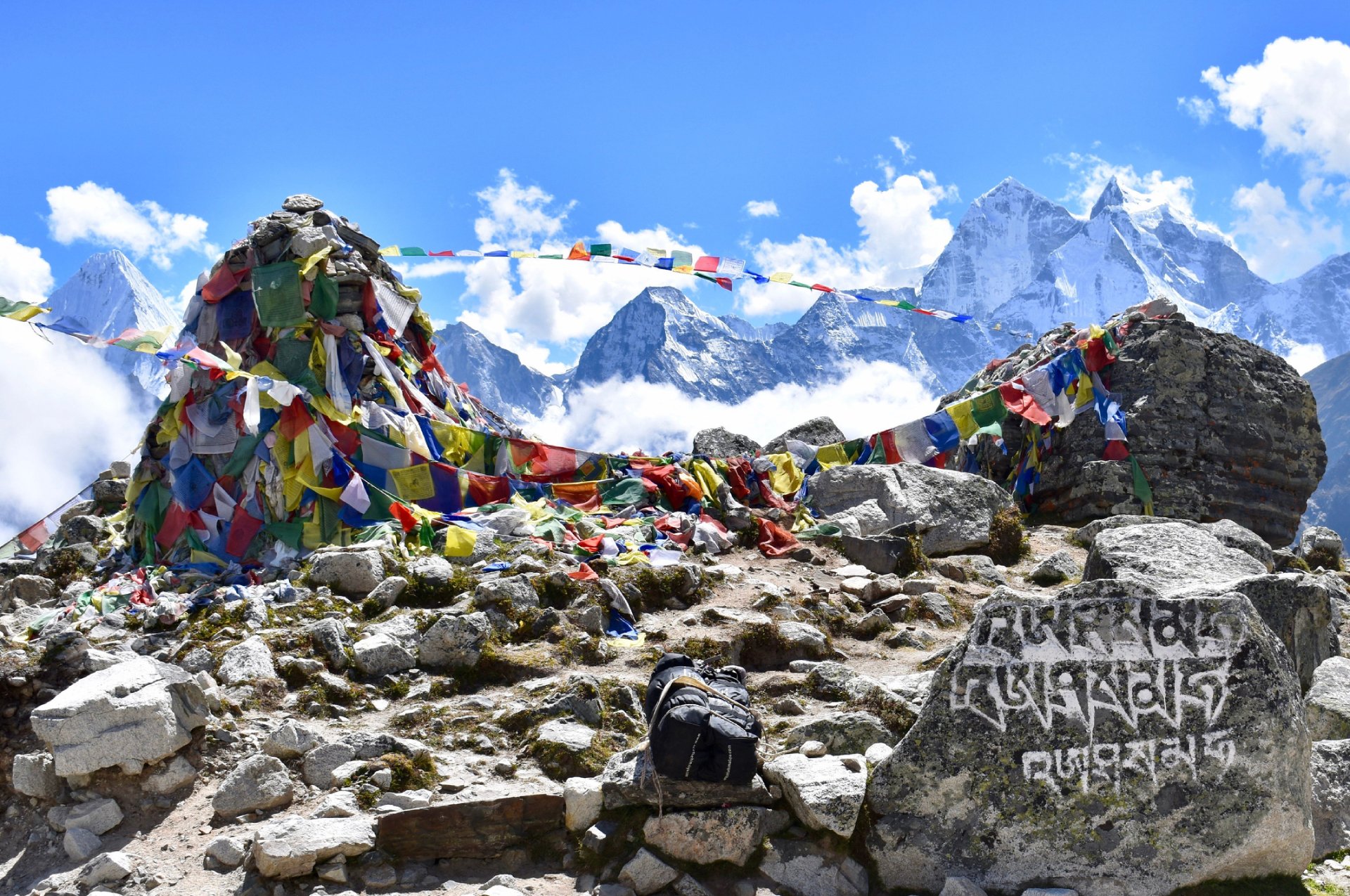
The spring climbing season in the Himalaya is once again approaching, and Mount Everest will draw hundreds of climbers, mountaineers and trekkers from across the globe. But while the summit remains the objective, the environment in which that objective is pursued is changing.
Weather variability, accelerated glacial melt, more efficient acclimatization strategies, rising permit fees and increased oversight of environmental practices are reshaping how mountain climbers approach Everest and surrounding peaks. The 2026 season will demand sharper timing, stronger preparation and more disciplined judgment than ever before.
Weather Trends and Shifting Summit Windows
Weather in the Himalaya has always been volatile. “Weather patterns are always variable and mostly unpredictable,” said legendary mountaineer Ed Viesturs. “Long-term forecasting is still challenging, but short-term forecasting has improved dramatically. That’s allowing teams to make smarter, safer decisions about upcoming weather windows.”
Advances in short-term meteorological modeling now allow expedition leaders to identify narrow summit windows with greater precision. This is particularly critical when coordinating summit attempts on Mount Everest, where timing can mean the difference between success and catastrophe.
Yet Viesturs notes a more profound shift underway. “We’re seeing melting happen earlier each year,” he said. “As a result, climbers are starting expeditions earlier in the spring and wrapping up earlier in the summer. Faster melt cycles can make conditions more unstable and more dangerous.”
The Khumbu Icefall — one of the most hazardous sections of the standard South Col route — appears to destabilize earlier each season. Crevasses widen faster. Ice bridges weaken sooner. Seracs collapse as temperatures rise. The traditional climbing calendar is compressing and shifting forward. Teams that fail to adapt risk encountering deteriorating surface conditions later in the season, when objective hazards intensify.
Acclimatization: Faster, Smarter, More Strategic
Altitude adaptation is also evolving.
“There is definitely a trend toward more efficient acclimatization schedules,” Viesturs said. “Through years of trial and error, teams are figuring out the most effective and fastest ways to adapt to altitude.”
Modern expedition strategy emphasizes conserving energy for summit pushes rather than exhausting climbers during extended rotation cycles. Refined acclimatization plans allow climbers to maintain strength reserves while still reducing the physiological risks associated with rapid ascent.
Pre-acclimatization at home is becoming standard among serious Everest aspirants. “More climbers are sleeping in hypobaric tents before they ever leave home,” Viesturs explained. “It reduces the amount of time they need to spend on the mountain, allows them to stay connected with family and work longer, and helps them arrive better prepared physically.”
These hypobaric systems simulate high-altitude environments, allowing the body to begin producing red blood cells weeks before departure for the Himalaya. The benefits are logistical and physiological. No technology, however, eliminates the inherent stress of climbing at extreme altitude.
The mountain still demands respect. Efficiency cannot replace judgment.
Traffic Patterns and Permit Pressures
Everest will again see the heaviest traffic this spring. The season remains optimal for summit bids and for trekkers heading to Everest Base Camp. Crowding on trails, in teahouses and at base camp is expected.
Other 8,000-meter peaks are typically more active in autumn, though Manaslu and Makalu will attract some spring climbers. Popular trekking and climbing objectives such as Lobuche, Gokyo Ri and Island Peak will also experience heavy visitation.
The Nepal government has raised the Everest permit fee to $15,000. Despite the increase, demand remains strong. Financial barriers do not appear to be discouraging committed climbers.
There is also discussion of a potential rule requiring Everest aspirants to first climb a 7,000-meter peak in Nepal. If implemented, such a policy would likely increase traffic on intermediate peaks, particularly during autumn seasons, and could recalibrate preparation standards across the region.
Objective Hazards: Icefall, Rockfall and Rapid Melt
The Khumbu Icefall appears to fragment earlier each spring. Rockfall zones expand as permafrost weakens. Snow stability shifts more rapidly. These environmental changes are compressing safe climbing windows and increasing objective hazards.
Comparable patterns are evident elsewhere. In the Pacific Northwest, peaks such as Mount Rainier and Mount Baker are experiencing earlier crevasse openings, accelerated glacial retreat and shorter stable climbing seasons. The Himalaya is not isolated in this transformation.
Route timing has become as critical as route selection. Climbers must move through dangerous sections strategically, often earlier than historical norms would suggest.
Environmental Oversight and Sustainability
Environmental stewardship at base camp is also under increasing scrutiny.
“The rules and oversight around waste and garbage management are getting tighter,” Viesturs said. “There has to be a sustainable system if we want to keep climbing these mountains year after year.”
Regulatory frameworks are becoming more stringent, and enforcement is more visible. Many professional outfitters recognize that sustainability aligns with their long-term interests. “They want a clean base camp to return to season after season,” Viesturs noted.
Standards, however, are not universally embraced. “Not every team or nationality approaches environmental responsibility the same way,” he said. “Ultimately, it’s up to the expeditions at these larger base camps to hold themselves and each other accountable.”
Sustainability in the Himalaya depends on collective discipline, not isolated compliance.
Essential Advice for Climbers and Trekkers
Spring in the Himalaya is crowded. Trekkers should expect full lodges and congested trails near Everest Base Camp. Climbers should anticipate bottlenecks at high camps during summit windows. Physical preparation remains the most controllable variable. Whether attempting a trekking peak or Mount Everest itself, arriving in peak aerobic and muscular condition significantly enhances safety margins.
Training under load, building cardiovascular capacity and preparing for sustained effort at altitude are non-negotiable. There is ample lead time before departure. Use it. Technology, forecasting and improved logistics have made climbing more strategic. They have not made it easy.
The Global Rescue Connection
As helicopter rescues become increasingly common on Mount Everest, some veteran mountaineers are voicing concern. The availability of rapid extraction has saved lives. But overreliance risks altering the fundamental ethic of climbing, a discipline built on resilience, endurance and accountability.
Expert alpinists including Ed Viesturs, Conrad Anker and others have long emphasized that a climb is truly complete only when a climber returns safely to base camp on foot, barring a legitimate emergency. Rescue systems are designed to support preparedness, not replace it.
One recent case illustrates the tension. A climber developed pneumonia and high-altitude pulmonary edema (HAPE) at Everest Base Camp and required helicopter evacuation. After treatment, she chose to resume her expedition. Less than a month later, she required a second helicopter extraction following a fall at Camp II, suffering acute mountain sickness, lower back trauma and dehydration.
Helicopters are indispensable when descent is no longer possible. But they are not a substitute for disciplined acclimatization, training and decision-making.
Global Rescue provides a critical safety net for climbers and trekkers operating in the Himalaya. Membership includes field rescue from remote mountain environments, medical evacuation to appropriate facilities, real-time medical advisory services and in-depth Destination Reports that outline local infrastructure and risk conditions.
High-altitude incidents are complex and time-sensitive. In consolidated cases from the Everest region, members experiencing severe altitude illness above 14,000 feet were evacuated by helicopter after developing symptoms of acute mountain sickness and HAPE. Global Rescue coordinated airborne extraction, ground medical teams and hospital care in Lukla or Kathmandu, ensuring continuity of treatment and recovery.
For those climbing above traditional helicopter limits, the High-Altitude Evacuation Package adds an additional layer of protection, covering the complexities and costs associated with extreme-elevation rescue logistics.
As Everest continues to attract larger crowds and higher ambitions, climbers must confront a fundamental question: Is the summit the objective, or is the journey the purpose?
“Climbers must be prepared to rely on themselves if helicopters are grounded,” one veteran guide warned. Training, acclimatization and sound judgment remain the difference between survival and tragedy.
In the Himalaya, success is not measured solely by standing atop the tallest mountain in the world. It is measured by returning safely , with strength, humility and respect for the mountain that will always have the final say.
(Lebanon, N.H. — April 7, 2026) — Most US travelers are well aware of REAL ID requirements, but fewer feel fully prepared for airlines’ stricter enforcement of carry-on size and weight limits, according to the Global Rescue Winter 2026 Traveler Sentiment and Safety Survey. The findings highlight important differences in awareness, compliance strategies and real-world experience across gender and geography.
Awareness of Stricter Carry-On Enforcement Is Mixed
Airline carry-on size limits haven’t changed in general, but enforcement has. Gate agents are now measuring full exterior bag dimensions at the gate including; wheels, handles and protruding pockets, and if the bag doesn’t fit the sizer, it gets checked.
Overall, awareness of airlines’ stricter enforcement of carry-on size and weight limits is moderate. About 27% of travelers say they are not at all aware of the tighter rules, while 25% report being slightly aware. Another 27% say they are moderately aware and 19% say they are very aware.
Women demonstrate higher awareness than men. Nearly 35% of women say they are moderately aware of stricter carry-on enforcement, compared to 25% of men. Men are more likely to say they are not at all aware, at 29%, compared to 20% of women.
Geographically, non-US travelers show greater awareness. About 31% of non-US respondents say they are not at all aware, compared to 25% of US travelers, but US travelers cluster more in the moderate awareness category, reflecting more frequent exposure to domestic airline policy changes.
“Airlines are enforcing carry-on rules more aggressively, and many travelers are still catching up,” said Dan Richards, CEO of The Global Rescue Companies and a member of the US Travel and Tourism Advisory Board at the US Department of Commerce. “These policies may seem minor, but they can cause significant disruption if travelers are unprepared.”
How Travelers Plan to Comply with Carry-On Rules
When asked how they would comply if airlines strictly enforce carry-on limits, a majority of travelers (52%) say they would obtain or use luggage that meets airline requirements. About 23% say they would forgo a carry-on and check their bag, while 18% say they would pay additional fees if necessary.
Women are far more likely to adapt proactively. More than 68% of women say they would obtain compliant luggage, compared to 47% of men. A fifth of men are more willing to pay additional fees compared to 10% of women.
REAL ID Awareness Is Extremely High
Awareness of the fully enforced REAL ID requirement is nearly universal. Overall, 87% of travelers say they are very familiar with REAL ID rules, while fewer than 5% say they are not at all or only slightly familiar. Awareness is consistent between men and women.
“REAL ID messaging has clearly reached travelers,” Richards said. “The challenge now is ensuring travelers consistently carry compliant identification, especially as enforcement becomes routine.”
Few Travelers Personally Impacted, but Many Have Observed Issues
Actual disruption due to non-compliant identification remains limited. Only 2% of travelers say they personally experienced additional screening, and less than 1% report travel delays. Most travelers (68%) say the issue is not applicable because they always carry compliant identification.
Observation of problems among other travelers is more common. About 16% say they have seen another traveler undergo additional screening, 10% have observed delays and 4% have seen someone denied access to security or boarding. Nearly 74% say they have not observed any disruption.
“These issues may affect a small percentage of travelers, but the consequences can be severe when they occur,” Richards said. “Preparation remains the most effective way to avoid airport stress and missed flights.”
About the Global Rescue Traveler Sentiment and Safety Survey
Global Rescue, the leading travel risk and crisis response provider, surveyed more than 1,400 current and former members between January 13 – 17, 2026. Respondents shared their attitudes, behaviors and preferences related to travel safety, technology and global mobility.
About Global Rescue
Global Rescue is the world’s leading provider of medical, security, evacuation and travel risk management services to enterprises, governments and individuals. Founded in 2004, Global Rescue maintains exclusive relationships with the Johns Hopkins Emergency Medicine Division of Special Operations and Elite Medical Group. The company has provided medical and security support during every major global crisis over the past two decades. For more information, visit www.globalrescue.com.