
Categories:
Health & SafetyTravelJune 18, 2021
While all forms of travel obviously came to a standstill in 2020, prior to the pandemic, the stats were showing that solo female travel was definitely on the rise. Now, as travel returns, solo travel is naturally one of the first segments bouncing back with tour operators reporting an uptick in solo female travel bookings.
So, as the trend naturally continues — and is positioned to come back stronger than ever — what kind of precautions and steps should women, let alone any solo traveler, be sure to brush up on? Global Rescue experts offer up five, essential solo female travel safety tips.
Bring a Communication Device that Works
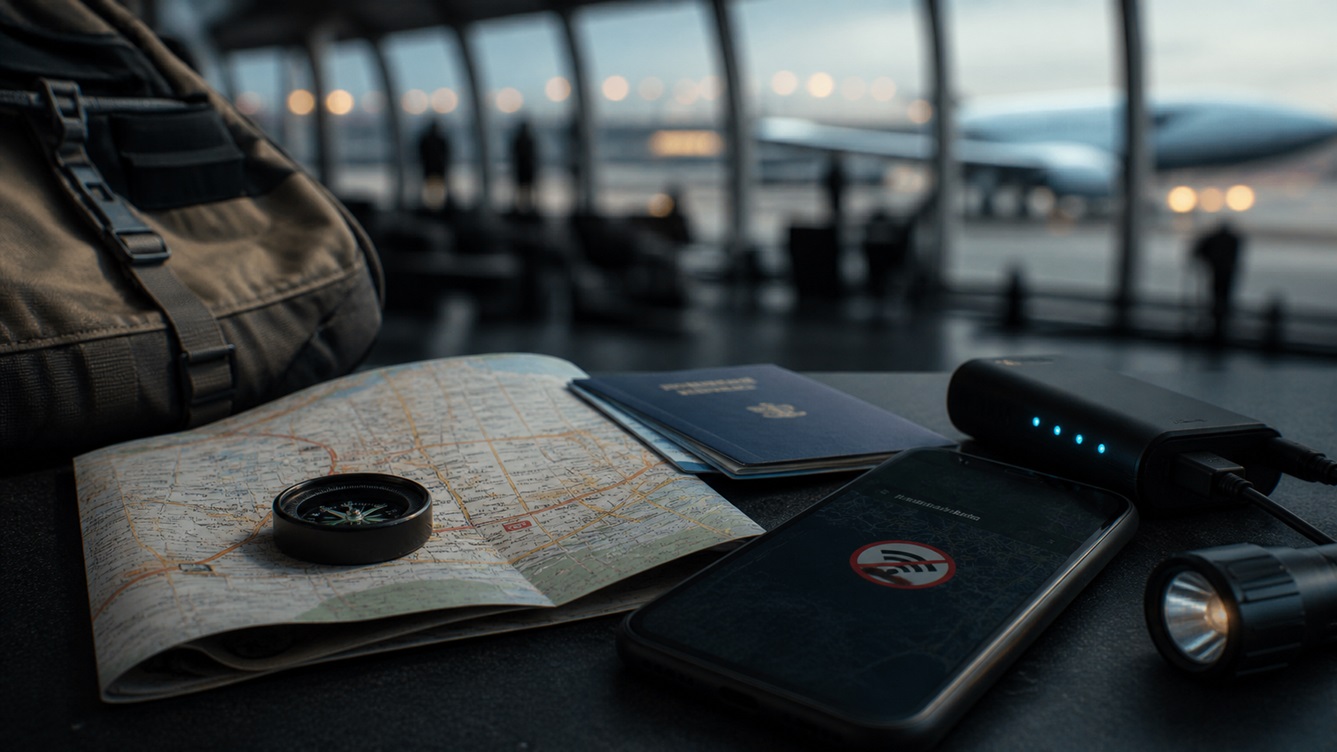
In addition to bringing your cell phone (which you should make sure works wherever you’re headed), a satellite phone or messaging device can be extremely important in remote areas of the world where there are no cellular networks. They can also save your life in an emergency or disaster where cellular networks become overloaded or disabled.
Do Your Research

Read maps before venturing out to a new place and be conscious of areas to avoid. Get detailed information on your destinations and find out which neighborhoods have incidences of crime. Women should also be aware of major international hotels or key public locations along your itinerary where you can go if you feel unsafe. A Global Rescue membership includes access to detailed destination reports — covering everything from currency and common scams to travel health and personal security advice — for 215 countries and principalities worldwide.
Purchase a Traveler Protection Membership
If you need to get out of a tight situation, your insurance company isn’t going to do it. If you get hurt and need to be medically evacuated, or need to escape civil unrest, having coverage can save your life (and tens or even hundreds of thousands of dollars). And these are only just a few of the benefits associated with a Global Rescue membership.
Alert Friends and Family to Your Itinerary
Do this before departing for your trip. Let people know when they should expect to hear from you next. Also enroll your trip with the nearest U.S. Embassy or Consulate through the U.S. State Department before your trip.
Brush Up on Practical Safety Tips

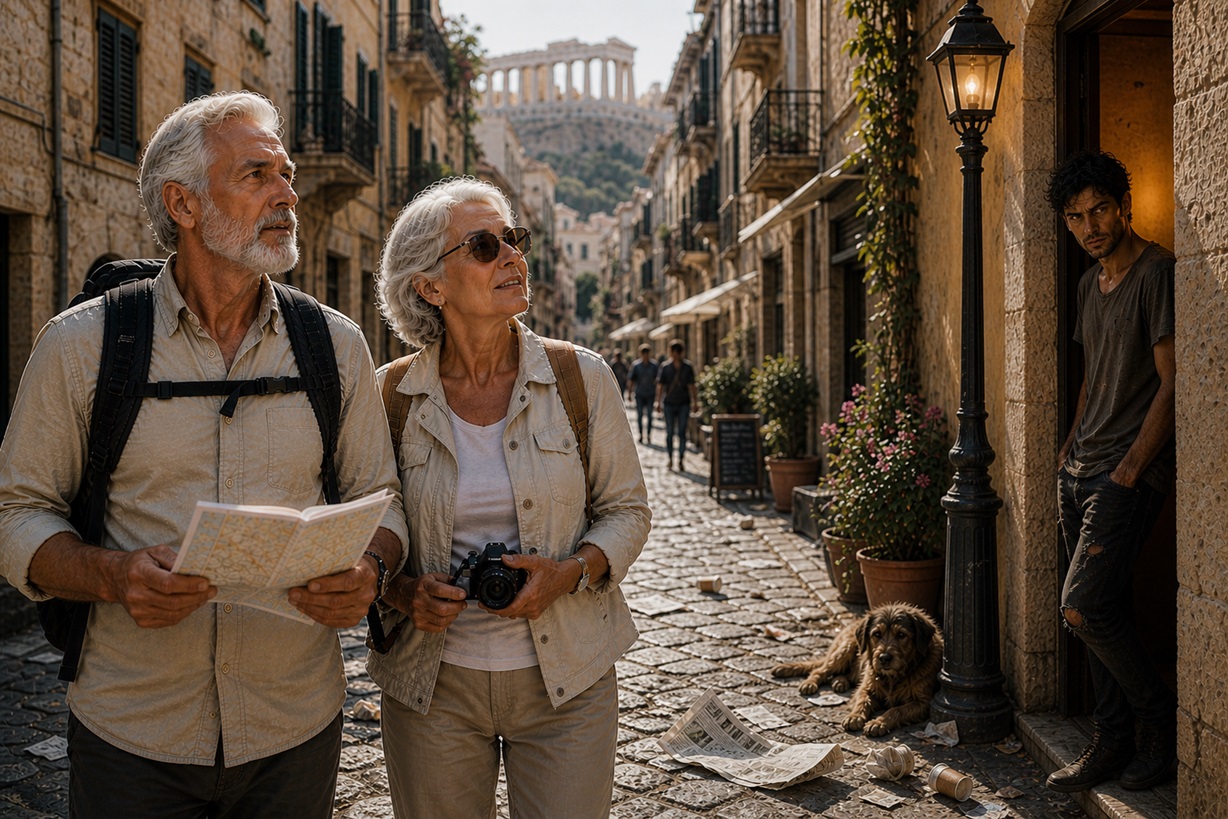
Avoid telling strangers that you are traveling alone. Try not to establish patterns such as leaving or returning to your hotel at the same time every day. Maintain “situational awareness” and avoid walking alone at night. Do not stay on the first floor of a hotel or hostel. When using public transportation (train, bus, or ferry) in an underdeveloped country, if possible, ride in the highest class available.
Other simple preparations include: carrying a whistle; carrying a small flashlight; carrying or wearing comfortable shoes; and carrying an ID, a small amount of cash, and a credit or ATM card on your person and not in your purse in case of theft.
June 18, 2021
Close quarters is high risk for coronavirus. The Centers for Disease Control and Prevention (CDC) was quick to issue a Level 4 Travel Health Notice for cruise ship travel at the beginning of the pandemic.
Fast forward a year later. The CDC released a two-phase framework for ships operating or seeking to operate in U.S. waters in May 2021. They also updated their guidance for cruise ships, allowing vaccinated cruise passengers to remove their masks in certain outdoor settings.
“Cruise ship operators, at their discretion, may advise passengers and crew that — if they are fully vaccinated — they may gather or conduct activities outdoors, including engaging in extended meal service or beverage consumption, without wearing a mask except in crowded settings,” according to the CDC’s updated rules for cruise ships.
Health and safety protocols are also firmly in place. Seabourn, for example, has enhanced air filtration with upgraded HVAC systems designed to replace air within public spaces and staterooms every five to six minutes. Medical centers are equipped with COVID-19 appropriate testing and treatment capabilities. An app can help you find information about distancing and contactless options aboard the ship.
These are just a few of the innovations Global Rescue experts are seeing on the water. Other trends include educational expedition trips, close-to-home river cruises, private travel bubbles on yachts and ocean cruise ship modernizations.
Comfortable Exploration on Expedition Ships
Expedition ships are smaller and have a hull allowing them to operate in shallow water — perfect for people who want to explore out-of-the-way ports or get a closer view of scenic wonders. Some MS expedition cruise ships have tourists and scientists on board, offering travelers educational itineraries coinciding with the on-going research.
Viking Expeditions, which launched two new expedition ships in January 2021, offers a Great Lakes trip for guests who want to see the area’s Northern forests, pristine lagoons as well as bald eagle and bear habitats. There’s also a trip from Buenos Aires to Ushuaia, where guests will hike on the “Last Continent” with an expedition leader knowledgeable of the area’s extreme geology.
Close-to-home River Cruises
If international borders aren’t open yet, cruisers can still explore oceans and rivers on smaller craft. River cruises are on the rise for people who want a similar experience to an ocean cruise, but on a smaller ship with fewer people and closer to home.
“Those who have cruised small river ships in Europe and around the world still want to cruise and they are increasingly interested in trying the amazing options we offer here,” Susan Shultz, director of sales at American Cruise Lines, told Recommend magazine. “Many of our guests are comforted to know while they are cruising with us they are always cruising in sight of land and have easy access to all shore side facilities if needed.”
According to TravelPulse, there are several trends spurring people to book river cruises: an interest in family travel, slower, more authentic travel and a focus on sustainability and recovery. AmaWaterways noticed a growth in multi-generational bookings and a special interest in 2021 Christmas cruises, indicating families will use this time to cruise to reconnect and make up for lost time.
Travel Bubbles on Private Yachts
Yachts typically transport between 6 and 12 passengers; any more than 12 and the boat is classified as a passenger ship.
Yachts offer an easily controlled environment with the passerelle acting as a drawbridge to limit the comings and goings of guests and personnel. With PCR testing three days before boarding and, if necessary, testing by an appointed yacht agent at port, “you can have a longer, more dynamic trip where you’re changing locations while still maintaining quarantine with a crew and group of guests who have all been tested,” said Alice Howell, vice president of Stoke Broker, a travel company cultivating unique and impactful adventures around the globe and a Global Rescue Safe Travel partner.
“We recently ran a trip where we moved a yacht through remote locations and did naturally socially distanced activities in each location: mountain biking, stand up paddle boarding, beach bonfires with a barbecue and whale watching.”
The New Cruise Experience
In addition to apps to schedule spa treatments, message other passengers and get directions from the state room to the dining room, cruise ships are rolling out innovations to entice travelers back to the water.
CLIA notes a trend of smart homes at sea with “innovative solutions creating new accommodation experiences, including al-fresco living in verandah staterooms, virtual assistants and custom smart-lighting.”
Add stringent, science-based protocols to the mix of improvements and it’s no surprise 74% of cruisers are likely to cruise in the next few years and 58% of international vacationers who have never cruised are also likely to cruise in the next few years.
No matter how you are enjoying the water during your summer vacation adventure travels, add a Global Rescue membership to your dry bag. Global Rescue can be your maritime medical advisor, providing advice when symptoms present and rescue when an emergency strikes. Our coronavirus updates will also help you determine which destinations require PCR testing or proof of vaccination.
Categories:
NewsJune 18, 2021
Categories:
Health & SafetyPlaces & PartnersTravelJune 11, 2021
Before you get on your bike and ride, conduct a risk assessment. Check your bike, check your health and learn about the trail to help you avoid mountain biking hazards and potential health and safety disasters.
You’ve taken your mountain bike out of storage. But are you physically ready to ride?
You’ve been riding for years and, as the world emerges from the pandemic, you want to hit that 10-day mountain biking bucket list trip abroad you’ve been dreaming of. The question is whether you’re in good enough shape to pull it off.
“Bikers must determine if their medical health supports a trip of this duration. If you’re not, but you still have the passion, does the benefit outweigh the medical risk?” said Roi Baligod, senior operations specialist at Global Rescue. “And do you have a proper support system if an accident or injury occurs?”
Baligod recommends conducting a risk assessment before you get on your bike and ride a trail to help you avoid a potential disaster.
Most accidents happen because of the following factors: bicycle overuse and poor maintenance, experience level of the cyclist and the terrain. Global Rescue experts and Safe Travel partners share their mountain biking safety knowledge to make your next ride a safer one.
Maintain Your Bike
Just like a car, you should schedule maintenance for your mountain bike at regular intervals. Bikinguniverse.com suggests:
- Checking the tire pressure, wiping the chain and removing excess dirt after every ride, depending on the weather
- Checking the brake and chain wear, bolt tension, shock and air fork pressure every four to five rides
- Ensuring your quick-release hubs are tight
- Having a bike fully serviced at least every six months at a bike shop
If you are traveling with your own bike, Catherine Shearer — co-owner of H+I Adventures, mountain bike tour specialists and Global Rescue Safe Travel partner — recommends having it professionally serviced before traveling.
“The travel process has a real knack for showing up any areas of neglect on a bike, and you don’t want to start your trip with mechanical issues,” Shearer said.
Have the Right Gear
Your bike isn’t the only gear you’ll be bringing with you.
“Bikers must have proper and quality protection equipment, such as helmets, knee pads (for some types of rides), biking shoes and garments as well as bike parts/gear suited for the type of biking activities they will engage in,” Baligod said. “Usage of proper protection equipment can significantly reduce life-threatening injuries.”
“Apart from a suitable mountain bike helmet, which is mandatory, we never embark on a trip without knee pads,” Shearer said. “Many people don’t ride with knee pads at home, but when you’re riding every day for a week or more your knees inevitably end up taking lots of little knocks and bashes — if not big knocks!”

Check Your Health
The next consideration: how is your health?
“Mountain biking involves strenuous activity that can easily cause adverse effects with an undetected medical condition, such as a heart ailment. It is recommended to have a pre-activity health assessment,” Baligod said.
If you are already mountain biking, you should still check in with your health care provider before you upgrade your rides far from home. You’ll want to train for your next adventure, but “you don’t want to injure yourself while training,” Shearer said.
“We always advise clients to train for their adventure with us, no matter where they’re going. We have a training plan to help people get motivated and give them some structure and timescales,” Shearer said. “The biggest mistake that riders make before coming on a mountain bike adventure is not training properly. Crossing your fingers is not a training strategy. The more you put into preparing for your tour, the more you’ll get out of it.”
Safe Travel partner Thomson Bike Tours offers a training guide for mountain cycling, which includes tips like fueling your body properly during a ride: “As a general rule of thumb, for rides over 90 minutes in length, it is important to get 150+ calories and 10 ounces of water per every 100 calories consumed. If you can replenish a third of the calories you burn on the bike, you are doing a great job with nutrition. Remember that it takes time for your body to get accustomed to digesting fuel while on the bike. You need to train your gut just like you train your legs and lungs.”
Learn About the Trail
You won’t always know the trail, but you can prepare for new trail obstacles.
“It helps to prepare a risk assessment, including the weather, type of terrain or frequent injuries reported at the location,” Baligod said. “Unfamiliarity with the location could pose a risk to accidents or untoward incidents.”
H+I has produced a series of videos to help riders practice certain trail features at home: how to ride rock gardens, how to master river crossings and how to master step overs, to name a few.
If the trail is nearby, Singletracks.com, a website dedicated to sharing mountain biking knowledge, recommends walking the trail to look for any hidden dangers and “places to bail out if things go wrong.”
“Forest tracks are usually not well maintained and exposed to all elements, accumulating slippery moss or rotten wood paths that can contribute to possible injuries or accidents,” Baligod said.

More Mountain Biking Tips
Each type of mountain biking poses a different risk: you’ll be more worried about gravity and obstacles with downhill mountain biking, dehydration is a concern for cross-country mountain biking (long-haul rides to test endurance) and fatigue is common for all-mountain or trail riding which has a slow uphill pedal and fast slope descend.
“The risks for cross-country mountain biking depend on which type of path or terrain it will involve. If the path involves biking on a long-deserted location, it can pose a significant risk for dehydration, severe sprains, or mechanical problems that can leave bikers stranded in a remote location,” Baligod said.
“Trail mountain biking can also be tricky due to the treacherous terrain involved. Unfamiliar mountain bikers could easily lose their way on the unmarked paths or suffer injuries in a location not easily accessible to air or field rescue.”
Additional mountain biking safety tips include:
- Knowing basic medical first aid like simple bandaging, managing muscle cramps or splinting of a non-complicated fracture. “Riders must also have an available basic medical kit when biking,” Baligod said.
- If you’re injured or have a mechanical problem, have appropriate clothing to keep you warm for a protracted period while you repair your bike or wait for rescue.
- Following the rules and etiquette of the trail.
- Sharing a biking itinerary with family members or significant others. “If you’re a solo biker, this can help locate or trace you in case of an incident,” Baligod said.
- Identifying nearby hospitals, police stations, rescue groups, forest ranger stations, food stores and shelters within the biking itinerary. “You’ll want resources accessible in time of need,” Baligod said.
- Signing up for a travel protection membership, like Global Rescue, offering medical/security evacuation and medical advisory services for outdoor activities and adventure travel.
If you’ve checked all the boxes applying to you and your upcoming ride, now it’s time to enjoy the trails.
“I love the fact that mountain biking can take you to such beautiful places around the world and, when you’re riding your bike, you can’t think about anything else,” Shearer said. “You become totally absorbed in what you’re doing and the stresses of everyday life just disappear.”
Categories:
NewsJune 10, 2021
Categories:
Health & SafetyTravelJune 9, 2021
As recreational boating grows in popularity across the globe, more people will be on the water — fishing, water skiing, traveling and exploring the world. And, to stay safe, these seafarers will need medical, security, evacuation, travel risk and crisis management services.
There are 17 million recreational boats in the United States, according to the National Marine Manufacturers Association. Six million-plus boats are currently in European waters.
More boats will docked, moored, anchored or sailing across the globe in the next five years.
Originally projected to reach an estimated $35 billion by 2022, the global market of leisure boats is now predicted to reach $46 billion by 2027.
The growth of the boating community isn’t just due to the pandemic. The recreational boating industry has been on the rise for years, according to the National Marine Manufacturers Association. It is estimated that there are at least 140 million active boaters and watersports participants worldwide, including almost 100 million across the United States and Canada, 36 million across Europe and more than 5 million in Australia.
With the rising growth of disposable income in China, Asia Pacific is expected to experience the highest growth between 2020 and 2027 due to increased spending on leisure and travel. Boat International predicts a new generation of yacht buyers, specifically young Europeans and Americans, to drive the market in the future.
Boats Bring People to the Water
The pandemic did provide a boost, particularly for sales of new powerboats in the U.S. More than 310,000 new powerboats sold in 2020 — a number not seen since 2007. Brunswick, with brands Mercury Marine and Boston Whaler, found its third-quarter net sales were up 26% in 2020 compared to 2019.
Travel restrictions and work from home protocols also allowed more opportunity for outdoor recreation and exploration of local rivers, ponds, lakes and oceans. A Global Rescue survey found fishing as the second most popular low-risk pandemic pastime with 22% of respondents.
Boaters traditionally are middle age; currently the average age of a boat owner is just over 50 years. But COVID-19 changed that demographic, according to Brunswick CEO David Foulkes.
“We’ve attracted a new demographic,” Foulkes told CNBC, explaining Brunswick boat buyers have become more ethnically diverse and the average age dropped into the 40s. Sales also have risen among women. “I think that provides us great momentum, not just next year but into future years.”
Knowing the increase in outdoor adventures meant a greater need for travel protection services, Global Rescue memberships expanded to include Local Field Rescue services within 100 miles of home. Whether you’re canoeing, kayaking, fishing or simply enjoying a view of the water, Global Rescue is there if you get ill or injured and you’re unable to get to safety on your own.
Rescue from the Place of Injury
Global Rescue’s field rescue service includes maritime environments, with rescues conducted at sea or when a ship is in port. While we have successfully evacuated members from vessels at sea, each operation depends on weather and sea conditions, vessel design, and proximity to shore. Maritime rescues can be tricky and each situation has different challenges, but Global Rescue, the pioneer of worldwide field rescue, offers evacuations to travelers with houseboats, trawlers, cabin cruisers or yachts.
“We were thrilled to discover Global Rescue, which provides both rescue and evacuation services, as well as air ambulance transport back to the United States if more specialized services are needed,” said Marilyn Sharpe, who, with her husband Kent, spends several months a year cruising in remote islands of the Caribbean on a 56-foot trawler.
Travel Protection for Cruises
The pandemic halted cruise ships in March 2020. But the 2021 State of the Cruise Industry Outlook by Cruise Lines International Association (CLIA) predicts two out of three cruise enthusiasts are willing to cruise within a year. A 2022 Global Rescue Traveler Sentiment and Safety Survey found that cruising is making a comeback. In fact, 19% of survey takers say they feel safer — or much safer — about taking a cruise compared to last year.
Medical evacuations are handled differently for cruise ship travelers. Most ships have a doctor on board, so you’d see them first in the event of a medical emergency.
“Once you have disembarked at the closest port, our medical operations team coordinates with medical staff onboard, the port where you disembark, the evacuation providers from the port, and the receiving medical facility to make sure evacuation occurred as quickly as possible,” says Harding Bush, manager of operations at Global Rescue.
The largest privately owned residential yacht, The World, picked Global Rescue as the company to provide services should something happen on a voyage.
“If you travel the around the world you sometimes find yourself in places that are far off the beaten track. Global Rescue was the company to get us to a facility where we could be evaluated with more equipment and more expertise than is available on the ship,” said Dr. Harris Silverman.
Planning an ocean or river cruise? Ready to fish, surf and boat this summer? Consider signing up for a Global Rescue membership. Global Rescue can be your maritime medical advisor, providing advice when symptoms present and field rescue when an emergency strikes.
Categories:
Health & SafetyPlaces & PartnersTravelJune 7, 2021
It’s the most influential event in the travel and tourism industry: World Travel & Tourism Council’s annual Global Summit.
The highest-level industry leaders meet with government representatives to take action on the most important issues across the travel industry. More than 600 delegates from 40 different countries were arriving at the Moon Palace Resorts in Cancun, Mexico in April 2021 to “discuss key issues to develop a path out of this pandemic,” said Andrew Brown, regional director of World Travel & Tourism Council (WTTC).
The summit was also the first in-person international event since the coronavirus pandemic started in 2020.
Coronavirus Protocols and Preparation
WTTC worked with Global Rescue, a global expert in travel risk and crisis management, to deliver the world’s first international event safely and successfully.
“We knew Global Rescue was the best in the field and we had no hesitation reaching out to ask for help with this world-leading event,” Brown said. “On our staff call, you could see the relief in everyone’s eyes knowing Global Rescue would be on the ground and the safety, health and hygiene processes were in place so nothing could go wrong. And if something did go wrong, we had a safety net behind us.”
Safety preparations started months in advance. WTTC and Global Rescue reviewed the global requirements and recommendations from the World Health Organization (WHO), the Centers for Disease Control & Prevention, the UK Government and the Government of Quintana Roo. Strict health and safety protocols were designed and sent to attendees in advance of the event.
Weeks before the conference, Global Rescue deployed a team to Mexico to gather local medical knowledge, evaluate health care capabilities and build relationships with hospital administrators.
“Senior Global Rescue paramedics deployed to Cancun two weeks prior to the main event to vet the medical infrastructure locally,” said Scott Hume, vice president of operations at Global Rescue. “The team met with the hospital’s medical directors and assessed the capabilities of all the private hospitals in Cancun. This was also done with hotel clinics, ground ambulance and air ambulance providers.”
Global Rescue was also on-site for the duration of the event to provide medical and travel advisory services, medical evacuation and logistics oversight, and field rescue for injury or illness, including COVID-19.
During the conference, Global Rescue stood at the ready with an on-site operation center to manage, monitor, support and respond to any medical event.
“Two on-the-ground senior paramedics were on call 24/7 in case of emergency,” Hume said.
Global Rescue monitored coronavirus testing, which ran like clockwork. Circular Lab by Klincore was the official arrival testing provider for the summit bubble and Palace Resorts laboratories provided the antigen arrival tests and PCR and antigen departure tests. All event staff took an antigen test on arrival and re-tested every 72 hours. Delegates were tested on arrival and, only on receipt of negative test, were able to check in and collect a summit badge.
Security for Dignitaries and Executives
Health wasn’t the only travel concern. Security was critical for senior-level attendees that included CEOs, founders, directors, chairman, ministers of tourism and government dignitaries.
“WTTC members are by invitation only, industry leaders and government representatives at the highest level,” said Brown.
“This convention is world-wide,” said Rene Herrera Ruiz, services director of conference services for Moon Palace’s Quintana Roo properties. “When we hold big international conferences, we need to be aware of the group’s needs to prepare in advance. When the convention arrives, we want a plan for all of it — from the catering to the security.”
Global Rescue was on hand to provide the security support WTTC needed. The Global Rescue operations team — experts with military special operations backgrounds, combat experience, the ability to perform missions in difficult environments and global travel experience — conducted a security assessment in liaison with hotel management and security before the event.
“The process starts by liaising with organizers to review, assess and assist with development of medical and security protocols,” said Harding Bush, associate manager of operations at Global Rescue. “We visit the site and look at all the involved entities: airport, transportation companies, hotels, various restaurants, hospitals, emergency services and police capabilities. This includes surveying locations, assessing routes and finding points of contact.”
It may sound excessive, but it is smart business.
“If something arises during the convention and we need to proceed with our protocols, we need someone to arrange logistics,” Ruiz said. “I can take care of catering, security within the hotel, I can take care of the ball rooms, but I cannot take care of what happens outside Moon Palace.”
This is where Global Rescue security experts are critical. “We’ve made the appropriate relationships with everyone involved to identify and avoid any escalating security situations,” Bush said.
Once the risk assessment was completed, the Global Rescue security team met with executive staff at all venues to discuss logistics and communications plans, ensuring coordination in an emergency situation. The team remained on the ground throughout the duration of the conference.
“It’s very important to have security professionals who know things like the law, procedures, flights and knowledge of the countries where the conventions are taking place,” Ruiz said. “We felt really confident knowing there’s a company here that knows the things we don’t know.”
Safe and Successful
Close to 1,500 PCR and antigen tests were administered during the event. Social distancing was strictly enforced — mask wearing was mandated in all indoor venues and all seats were a minimum of 1.5 meters apart throughout indoor venues.
The result? Only two individuals tested positive on arrival and were declined admittance.
One individual tested positive prior to departure but, due to enhanced health and safety protocols, no further positive cases were reported 10 days after the summit.
Global Rescue also remained on hand for security purposes, supporting WTTC event staff, maintaining contingency communications and transportation capabilities, and integrating WTTC delegates into Global Rescue services as required.
“Our Global Summit was proof that testing — along with enhanced health and hygiene measures, mandatory mask wearing and complimented by the global vaccine rollout — is the key to safely reopening international travel,” Virginia Messina, WTTC senior vice president, told Travel Press. “We truly believe we have shown the world how international events, and indeed international travel, can take place by observing the latest health and safety protocols.”
“The initial result was peace of mind for the 600 participants, on-site staff and journalists traveling to the event. The final result was that the conference was run safely and successfully, proving it can be done — even before many are vaccinated,” said Dan Richards, CEO of Global Rescue.
Your Organization in Partnership with Global Rescue
With coronavirus and security concerns completely managed, WTTC’s Global Summit attendees could focus on the task at hand: restarting travel.
“I was extremely happy to see Global Rescue here,” said Antonio Del Rosal, an event attendee and founder and CEO of Experiencias Genuinas. “It gives you added peace of mind that an event like this is being backed by a professional team. It was incredible for attendees to know that if anything were to happen, they could find a way back home safely.”
Global Rescue’s travel risk, crisis management and response services empower organizations to host an event, knowing every detail has been carefully examined and every precaution taken. We bring in the highest pedigree of medical and security experts to help you make the wisest decisions for your organization, even before your event begins.
“Normally clients don’t think about this type of service until they need it,” said Ruiz.
Providing safety and security takes research and preparation. That’s why Global Rescue’s experts are available to help from planning to execution.
“My company holds a yearly event and emergency planning is not our strength,” Del Rosal said. “Other events would definitely benefit from Global Rescue support. It takes the edge off risk assessment work and provide the peace of mind organizers and attendees need.”
“This has been my first time working with Global Rescue and, after seeing what they do and how they interacted with my clients for this event, I can highly recommend Global Rescue for all conferences and events being held post pandemic,” said Margarita Luna, corporate director of conference and events services for Moon Palace Resorts.
Categories:
NewsJune 7, 2021
Categories:
NewsJune 4, 2021
Categories:
Health & SafetyPlaces & PartnersTravelJune 1, 2021
Travel safety has always been a priority — then the pandemic made it the first priority. What can tour operators, travel designers and travel companies do to boost client safety? Here are 10 suggestions from Global Rescue experts and Safe Travel partners.
ONE: Provide a Travel Bubble for Clients
Travel companies already create a one-of-a-kind trips designed to a client’s needs, interests and dreams. Use your industry knowledge to provide a “travel bubble” by recommending low-risk coronavirus options, including destination, travel corridor, transportation providers, hotel, restaurants and/or activities.
“Start by asking the client what their main concerns are – for some it may be flying, for others it may be getting a COVID-19 test abroad, others it might be a bunch of ‘what if…’ scenarios,” said Mimi Lichtenstein, founder of Truvay Travel. “Once you know what their concerns are, share objective sources of information, such as links to key resources.”
TWO: Reformat Trips to Meet Safety Concerns
Offer small group options or private tours with a personal guide and/or driver. Exclusivity lends itself well to social distancing protocols.
“One of the first things out of the gate will be private trips,” said Jim Sano, former president of Geographic Expeditions and Yosemite National Park Ranger. “These private trips will be family bubbles or small groups of people with high confidence that this is the group they feel sure of.”
THREE: Vet All Vendors
Vet transportation providers, lodging and rentals, guides, restaurants and sight-seeing venues for security standards and coronavirus protocols. Work with businesses that have adapted operations, modified employee practices and redesigned public spaces to lessen the risk.
FOUR: Share Coronavirus Testing Requirements
Many travel companies already help with passport and visa logistics. In this evolving world of travel, clients may also ask for additional services, such as trip timelines for coronavirus testing and documentation requirements for destinations.
“Tell clients what to expect in the destination — COVID-19 protocols, how to get COVID testing done before return to United States, availability of outside dining, percent occupancy at hotels/restaurants, etc.,” said Lichtenstein. “If you have recent reports from your travels or colleagues’ on travel in general or specific to that destination, share those details.”
“Having the correct travel documentation right now is critical: passport, vaccinations, health insurance, even travel insurance. There is no question that we are entering a new normal,” said Daniel Richards, Global Rescue CEO.
FIVE: Provide Coronavirus Services
Some travel companies include coronavirus precautions in the travel package, such as sending a medical professional to meet clients at the airport with test capabilities, arranging for testing throughout the world or providing a place to quarantine, if needed.
“A Global Rescue travel protection membership can help manage this process with advisory services to find the nearest and most appropriate health care facility, assist with case management or advisory services or handle the logistics of getting a member home safely,” said Jeff Weinstein, medical operations supervisor at Global Rescue.
SIX: Research Destinations for Clients
Travel designers know and share every trip detail: the security process at the airport, the best restaurant in the area and if the hotel pool is open to guests. Add safety and health information to your organization’s knowledge database with Global Rescue’s destination reports for 215 countries and principalities worldwide. This up-to-date medical, security and intelligence research is valuable travel safety information for all stages of travel.
SEVEN: Offer Travel Insurance
It’s not possible to guarantee an issue-free vacation, but it is feasible to prepare clients by offering travel insurance. Travel insurance offers protection against trip cancellations, interruptions and delays as well as baggage loss and delays.
“I tell clients to look at the gaps between what is covered and what the cancellation policy for the trip is. It is those gaps we either need to fill, or at least have the knowledge about, up front, so there aren’t any surprises,” said Kimberly Franke of Kanna Travel Services.
EIGHT: Provide Travel Protection Services
A step beyond travel insurance, travel protection services are like having a personal assistant available for a client’s health and safety needs. A Global Rescue membership is there for the small asks — such as expediting the replacement of a lost passport to finding the nearest health care facility — as well as the big asks: field rescue, medical evacuation and hospital-to-hospital transport.
NINE: Assistance during Emergencies
Does your company have the resources to provide help during an emergency, such as a natural disaster or civil unrest in a client’s vacation destination? With Global Rescue as part of your response team, you’ll be able to add one more layer of assurance to any trip.
TEN: Remind Clients to Stay Safe
Gently reinforce the need to maintain healthy travel practices post arrival. This will not only keep them safe but also respect the health and well-being of local citizens and those in the travel industry.
“The clearest lesson learned from 2020 is that responding effectively to COVID-19 is a shared responsibility requiring a multi-layered approach. We must all work together,” said the U.S. Travel Association in its March 2021 report, Travel for the New Normal. “Travelers must do their part by adopting safe travel practices and following science-based guidelines to help protect themselves, the health of their family and all those around them.”
Click here to learn more about Global Rescue’s Safe Travel partner program.