Categories:
Security & IntelligenceApril 23, 2026
Article Highlights:
- Understanding regional risk, not just country-level safety, is critical when identifying the safest travel destinations.
- Official sources like the US State Department and FCDO provide the most reliable, real-time risk intelligence.
- Health, infrastructure and security risks vary widely even within the safest countries to travel to.
- Travelers who reassess risk closer to departure avoid the most common planning mistake.
- Combining Global Rescue’s Destinations Reports and intelligence tools with its medical and security evacuation and advisory services creates the highest level of travel protection.
Travelers want to plan luxury getaways, adventure travel and business trips internationally, but with Mexican cartel shootouts, a war between Russia and Ukraine and another in the Middle East, how can they assess travel risk before booking a trip?
It’s a fair question, and it reflects the reality of modern travel. The world hasn’t become uniformly more dangerous, but it has become more uneven. Risk is now highly localized, constantly shifting and often misunderstood.
Take Mexico. Headlines may suggest broad danger, but the reality is far more nuanced. The US Department of State breaks risk down by state, not just country. Tourist corridors like Cancún and Los Cabos operate under different security conditions than cartel-dominated regions. Even within higher-risk states, resort zones may remain insulated. The key variable is not Mexico as a whole, it’s where in Mexico.
Ukraine presents the opposite scenario. This is one of the rare clear-cut cases. With active conflict, infrastructure disruption and universal “Do Not Travel” advisories, the risk threshold is absolute. There is no nuance to interpret.
The Middle East illustrates a third pattern. Cities like Beirut, Damascus and Tel Aviv face elevated tensions, while nearby countries such as Jordan, Oman and the UAE remain comparatively stable. Again, proximity does not equal risk.
This is the core principle of modern travel risk assessment: geography matters more than headlines.
Why “Safe” Is a Misleading Concept
Travelers often search for the safest places to travel or safest countries to visit as if safety is a fixed label. It isn’t.
Safety is dynamic and multi-dimensional. A destination may rank highly for infrastructure and healthcare but still carry elevated crime risk in certain neighborhoods. Another may be politically stable but vulnerable to natural disasters or limited medical capacity.
Even the safest tourist destinations require context. Spain, for example, is widely considered safe, yet petty crime like pickpocketing is common in major cities, requiring situational awareness rather than avoidance.
The takeaway: safety is not about choosing “safe countries.” It’s about understanding specific risks and your exposure to them.
The Best Free, Official Sources
If you want accurate, actionable intelligence, start with government and institutional sources. These are continuously updated, vetted and designed for real-world decision-making.
US Department of State Travel Advisories: The foundation for American travelers. Countries are ranked from Level 1 (Exercise Normal Caution) to Level 4 (Do Not Travel). The critical detail is in the regional breakdowns. A country labeled Level 2 may still contain Level 4 zones.
UK Foreign, Commonwealth & Development Office (FCDO): Often more detailed and more explicit than US advisories. Even for US travelers, this is one of the most valuable cross-reference tools.
Australian DFAT Smartraveller: Particularly strong in Asia-Pacific analysis but comprehensive globally. Offers a third independent perspective that helps validate or challenge other advisories.
CDC Traveler’s Health: Security is only one dimension of risk. Health threats, malaria zones, dengue outbreaks, vaccination requirements, can be equally disruptive. The CDC provides destination-specific medical intelligence that many travelers overlook.
OSAC (Overseas Security Advisory Council): This is where analysis becomes granular. OSAC reports break down crime patterns, transportation risks and street-level safety conditions in specific cities.
Together, these sources form the backbone of professional-grade travel risk assessment.
Independent and Private Intelligence Tools
Official advisories are essential, but they are not the whole picture. Supplement them with private-sector tools for deeper context.
Risk maps like Safeture or Riskline provide visual, color-coded global risk snapshots. These are useful for quickly identifying safest countries to travel to versus least safe places to travel.
Platforms like A3M go further, segmenting risk by category, healthcare, transport, crime, infrastructure and even risks specific to solo travelers or safest countries for women.
Apps like GeoSure and Sitata offer neighborhood-level insights. This is where risk assessment becomes practical. A city may be safe overall, but specific districts may not be.
The combination of macro-level advisories and micro-level tools is what separates casual planning from informed decision-making.
The Practical Pre-Trip Checklist
Once you’ve identified a destination, assessment becomes a process, not a one-time task.
Start by comparing US State Department and FCDO advisories. Look for discrepancies. Differences often reveal nuance. Then go deeper. Read regional breakdowns carefully. This is where travelers often miss critical details.
Check CDC guidance for health risks. Even destinations considered among the safest travel destinations can present unexpected medical challenges. Review OSAC reports for your specific city. Understand crime patterns, transportation risks and common scams. Register your trip with the STEP program. It’s free and ensures embassy contact in emergencies. Evaluate your travel insurance. Many policies exclude coverage in higher-risk zones. This is a critical but frequently overlooked gap.
Finally, monitor conditions in the weeks leading up to departure. Risk is fluid. A stable destination can shift quickly due to political unrest, natural disasters or security incidents. The most common mistake travelers make is assuming yesterday’s information still applies tomorrow.
Risk Is Personal, Not Just Geographic
Two travelers can visit the same destination and face entirely different risk profiles.
A solo female traveler evaluating safest countries for women will prioritize different factors than a business traveler or a family. Cultural norms, gender dynamics and legal protections matter.
Adventure travelers face elevated exposure due to remote locations. Retirees may prioritize healthcare access. Digital nomads may focus on infrastructure reliability.
This is why risk assessment must align with personal vulnerability, not just destination data.
The Global Rescue Connection
Even the most disciplined planning cannot eliminate uncertainty. Destinations that appear among the safest countries to visit can change rapidly, and when they do, local systems often fail first.
A Global Rescue membership addresses this gap directly.
Members receive field rescue from the point of illness or injury, medical evacuation to the most appropriate facility and 24/7 access to medical and security advisory teams. There are no claims, no delays and no dependence on local infrastructure.
The Security Add-On extends this protection further. It provides real-time intelligence, security advisory support and, when necessary, coordinated extraction from unstable environments by teams staffed with former military and special operations professionals.
The real value becomes clear in crisis scenarios.
A member sheltering in a Tel Aviv hotel during active conflict contacted Global Rescue from a bomb shelter. Security teams coordinated safe movement under armed escort to Ben Gurion Airport, enabling departure from a rapidly deteriorating situation.
In Sudan, when civil conflict escalated and evacuation routes collapsed, Global Rescue executed a 600-mile maritime extraction along the Red Sea, moving stranded travelers to safety when conventional options no longer existed.
In the Central African Republic, a member received advance intelligence that prompted evacuation hours before rebel forces overtook the region, turning foresight into survival.
These are not edge cases. They are examples of how quickly conditions can shift, even in places not previously considered among the least safe places to travel.
Equally important are Global Rescue’s Destination Reports. These provide detailed intelligence on healthcare quality, infrastructure, security conditions and regional risks. Members receive unlimited access, allowing continuous reassessment before and during travel. Non-members can access a single report, offering a starting point for smarter planning.
The difference is simple: information helps you choose a destination. Capability ensures you can leave it safely if conditions change. Choosing among the safest travel destinations is no longer about avoiding risk entirely. That’s unrealistic. The goal is understanding risk, monitoring it and preparing for it. Travel today rewards curiosity, but it demands discipline.
Categories:
TravelApril 22, 2026
Article Highlights:
- Morocco offers extraordinary geographic diversity, from the Sahara Desert to the Atlas Mountains and Atlantic coastline.
- Imperial cities such as Fes and Marrakech showcase centuries of history, architecture and culture.
- Morocco delivers exceptional value with affordable travel, rich cuisine and unique experiences.
- Cultural awareness and flexibility enhance travel through bustling cities and traditional communities.
- Moderate security and health risks make preparation and expert support essential.
Morocco stands at the crossroads of Africa, Europe and the Middle East, offering travelers an experience defined by contrast, color and complexity. Few destinations deliver such a dramatic blend of landscapes, history and living culture within a single country. From the rolling dunes of the Sahara Desert and the rugged Atlas Mountains to the ancient medinas and modern boulevards, Morocco rewards curious travelers willing to embrace both its beauty and its intensity.
Morocco: A Brief Overview
Located in northern Africa along the Atlantic Ocean and Mediterranean Sea, Morocco has long been shaped by external influences and internal resilience. During the late 1800s and early 1900s, the country was ruled by European powers including France and Spain. Morocco regained independence in 1956 and today operates as a constitutional monarchy. Rabat serves as the capital, while Casablanca stands as the nation’s largest city and commercial hub.
Politically, Morocco occupies a complex regional position. Ongoing disputes over Western Sahara and strained relations with Algeria contribute to regional tension. While the country experienced unrest during the Arab Spring, demonstrations were relatively limited and led to constitutional reforms introduced by the king. For travelers, Morocco is generally stable, though awareness of regional dynamics remains important.
Culturally, Morocco is deeply layered. Arabic is the official language, but Berber dialects and French are widely spoken. Nearly 99 percent of the population identifies as Muslim, and Islamic traditions strongly influence daily life and local laws. Visitors quickly notice the rhythm of prayer calls, the importance of modesty and the central role of hospitality. An open mind and respect for local customs are essential to fully appreciating the Moroccan experience.
Morocco’s geographic diversity is one of its defining features. Along the Atlantic coast, temperatures are cooler and breezes moderate the climate. The Mediterranean north is warmer and lush, while the interior Atlas Mountains bring cooler air, dramatic valleys and snowcapped peaks in winter. South and east, the land gives way to arid plains and the vast Sahara Desert, where summer heat can be extreme. The rainy season generally runs from November through April, shaping travel planning and rural life.
Marrakech, Fes and Beyond
Among Morocco’s most iconic destinations is Marrakech, a city that feels both ancient and alive. The heart of the city beats in Djemaa el-Fna, where storytellers, musicians and food vendors gather each evening in a sensory spectacle. Beyond the square, the medina’s souks offer labyrinthine alleys filled with textiles, spices and handcrafted goods. Palaces, gardens and riads provide moments of calm amid the intensity.
Fes represents Morocco’s spiritual and intellectual heritage. Home to one of the world’s oldest universities, the city’s medina is a UNESCO World Heritage site and among the largest car-free urban zones on earth. Its narrow streets reveal centuries-old mosques, madrasas and tanneries that continue to operate using traditional methods. Fes rewards patience and curiosity, offering a deeper look into Morocco’s past.
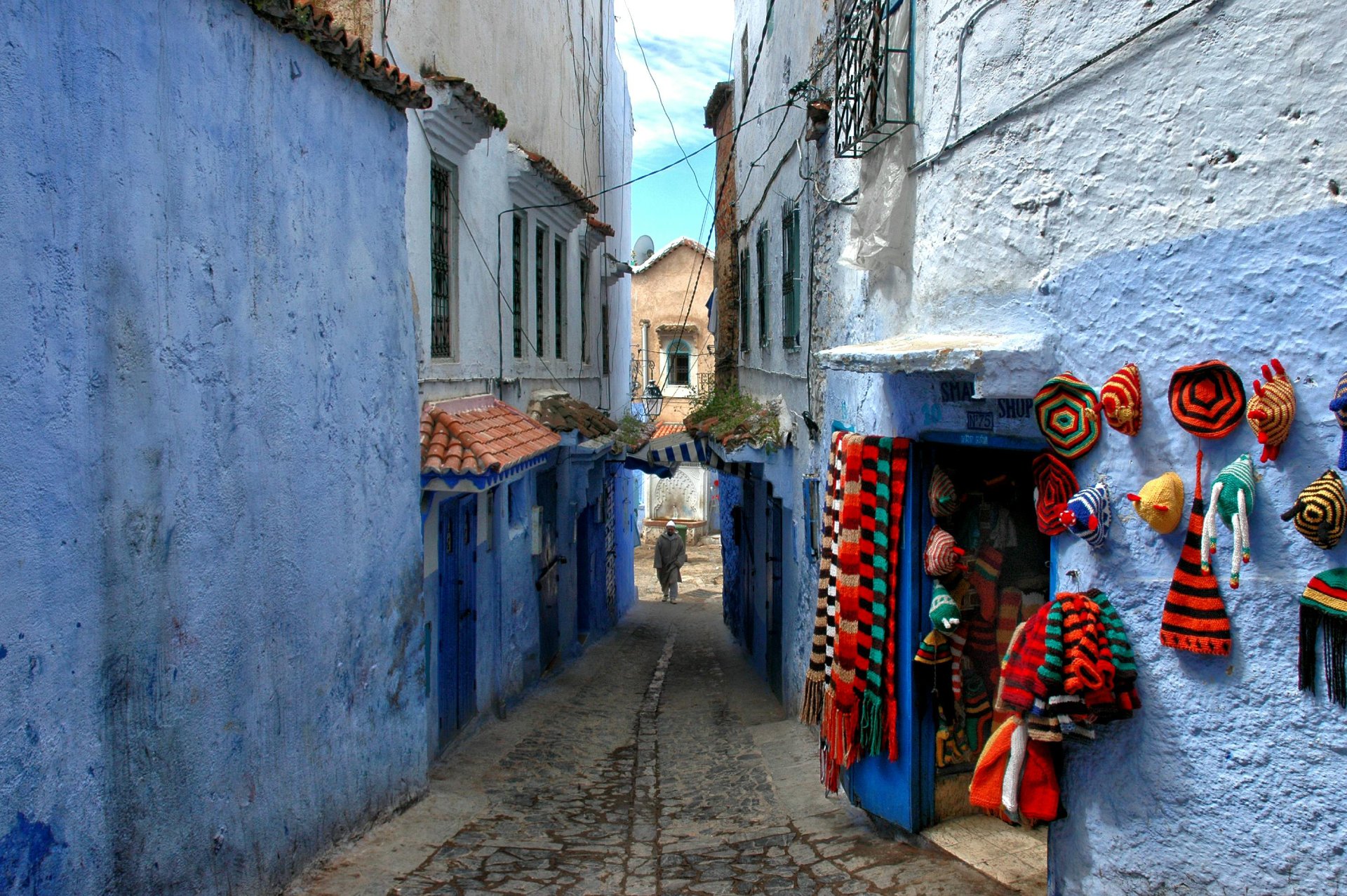
Chefchaouen, tucked into the Rif Mountains, presents a striking contrast. Known for its blue-painted streets and relaxed pace, the town has become one of Morocco’s most photographed destinations. Beyond its visual appeal, Chefchaouen offers access to mountain hiking and a quieter cultural rhythm that appeals to travelers seeking respite from larger cities.
For those drawn to history and cinema alike, Ait Ben Haddou stands as one of Morocco’s most remarkable sites. This fortified ksar of earthen clay architecture has served as a backdrop for numerous films and television series including; Lawrence of Arabia, The Living Daylights and Game of Thrones. Walking its narrow passages feels like stepping back in time, illustrating Morocco’s strategic role along ancient trade routes.
Sahara Desert and Aromatic Desserts
No journey to Morocco is complete without experiencing the Sahara Desert. Camel treks across golden dunes, nights under star-filled skies and visits to desert communities create some of the most memorable travel moments in North Africa. These experiences also require careful planning, experienced guides and awareness of environmental extremes.
Moroccan cuisine further enriches the journey. Tagines simmer slowly with spices and seasonal ingredients, couscous anchors communal meals and mint tea flows as a symbol of hospitality. Food is central to Moroccan identity and offers insight into regional variation and tradition.
Moroccan desserts reflect the country’s love of almonds, honey and fragrant spices such as cinnamon and orange blossom water, combining sweetness with subtle aromatic depth. These treats play an important cultural role, particularly during Ramadan and in moments of hospitality, when offering sweets is a gesture of generosity and welcome.
Among the most iconic is halwa chebakia, a beloved sesame-based pastry shaped into intricate flower forms, deep-fried until crisp and then soaked in honey. Traditionally served alongside harira soup during Ramadan, chebakia perfectly captures the balance of texture, flavor and tradition that defines Moroccan dessert culture.
Before You Go
Affordability is another reason Morocco continues to attract a wide range of travelers. Flights from Europe are short and often inexpensive, and costs within the country remain relatively low. Budget travelers, history enthusiasts and adventure seekers alike find Morocco accessible, though its intensity may surprise first-time visitors.
Travelers should also understand the realities of risk. Morocco carries a moderate overall risk rating, with moderate security and health risks. Respect for Islamic customs is essential, especially during Ramadan. Women travelers should dress discreetly and remain aware of unwanted attention in crowded areas.
There is a heightened threat of terrorism due to the presence of extremist sympathizers, and isolated attacks have occurred in recent years. Border regions near Algeria and Western Sahara should be avoided. Protests and demonstrations are common and usually peaceful, though they can escalate.
Petty crime and theft occur frequently, particularly in tourist-heavy urban areas. Road travel presents a significant hazard, as Morocco has one of the highest road accident rates globally. Medical care outside major cities such as Rabat and Casablanca may not meet international standards. Morocco is also located in an earthquake-prone region, highlighted by the devastating 6.8 magnitude earthquake near Marrakech in 2023 that caused widespread casualties.
The Global Rescue Connection
Morocco’s remarkable diversity and adventure potential also underscore the importance of comprehensive travel protection. A Global Rescue membership provides critical support for travelers navigating regions where medical care, transportation and emergency response may be limited.
In one real-world case, a US member required medical evacuation following a motorcycle accident in Morocco. After sustaining a broken leg and possible head and spinal injuries, he was admitted to a local medical center and placed in intensive care. Global Rescue medical operations physicians reviewed his condition and recommended evacuation to his home hospital for specialized orthopedic care.
Global Rescue coordinated his return flight in a business class seat with leg elevation, arranged a travel companion and secured a fit-to-fly certificate. The member managed his recovery during transit and arrived safely in San Francisco for continued treatment.
For travelers exploring Morocco’s deserts, mountains and historic cities, Global Rescue membership delivers peace of mind through field rescue, medical evacuation, medical advisory services and expert coordination when it matters most. In a destination as rewarding and complex as Morocco, preparation and professional support are essential components of a truly successful journey.
Categories:
TravelApril 21, 2026
Article Highlights:
- Gin began as a medicinal juniper spirit before becoming a global cultural staple.
- Dutch jenever laid the foundation for modern gin styles.
- English gin rose through empire, conflict and industrial innovation.
- Modern gin tourism reflects local botanicals and cultural customs.
- Wars, trade restrictions and boycotts shaped gin’s global distribution.
Gin’s rise from medieval medicine to modern cocktail icon mirrors the history of global travel itself. Born in European monasteries, refined through war, trade and empire and reinvented by contemporary distillers, gin is both a cultural artifact and a living tradition. For travelers curious about spirits, gin offers a uniquely global lens — one that spans borders, conflicts and customs regulations.
This is not an itinerary. It is an exploration of how gin developed regionally, how historical rivalries and disruptions shaped its spread and what today’s travelers should know when seeking out gin experiences abroad.
What Gin Is, and Why Juniper Matters
Gin is a distilled spirit flavored primarily with juniper berries, supported by a wide range of botanicals that may include coriander, citrus peels, angelica root, orris root, spices and flowers. The base alcohol is typically derived from grains or molasses and either redistilled with botanicals or compounded through infusion.
Juniper’s dominance is not accidental. For centuries, it was believed to offer medicinal benefits including, aiding digestion, relieving kidney and stomach ailments, reducing inflammation, and protecting against infectious diseases like the plague. Juniper-infused spirits were commonly prescribed by apothecaries for coughs, cramps, gout and general pain relief long before gin became a recreational drink.
That medicinal origin explains gin’s early acceptance, its role in military campaigns and its enduring association with “functional” drinking — most famously in the gin and tonic, originally used to mask quinine in malaria treatment.
Dutch Jenever and Its Importance
Gin’s story begins in the Low Countries with Dutch jenever, first documented in the 13th century. Produced from malt wine and flavored with juniper, jenever was initially a medicinal spirit before becoming a commercial product widely consumed by civilians and soldiers alike. English troops fighting alongside the Dutch reportedly drank jenever before battle, giving rise to the phrase “Dutch courage.”
Today, Schiedam in the Netherlands and Hasselt in Belgium remain central to jenever heritage. Both cities host National Jenever Museums and distilleries such as Nolet and Filliers offer visitors insight into centuries-old production methods. Local customs favor sipping jenever neat, often paired with beer.
English Gin, Empire and the Gin Craze
No nation shaped modern gin more dramatically than England. Following the 1688 Glorious Revolution, restrictions on French brandy imports pushed consumers toward domestically produced spirits. Gin production exploded, culminating in the Gin Craze of the early 18th century — a period marked by cheap, unregulated spirits and widespread social harm.
Government intervention eventually stabilized production and advances in distillation technology gave rise to London Dry gin: cleaner, drier and export-ready. English gin became synonymous with quality and consistency, particularly as the British Empire expanded global trade routes.
London remains a global gin hub today, with distilleries such as Beefeater and Sipsmith offering educational tours. The gin and tonic, developed in colonial outposts, remains a defining symbol of gin’s imperial legacy.
The French 75
France’s relationship with gin is quieter but influential. Historically dominated by wine and brandy, France embraced gin more fully in the 20th century through cocktail culture. The French 75, a cocktail made with gin, fresh lemon juice, simple syrup and Champagne. It’s known for its celebratory fizz and notably delivers an alcohol punch like the French 75mm Word War I field gun it’s named after.
Modern French gin emphasizes regional botanicals such as lavender, citrus and herbs, reflecting France’s agricultural diversity. Distilleries like Citadelle in southwest France have helped position French gin on the global stage.
The Rise of German Gin, and Spain’s Gin and Tonic Reinvention
German gin reflects the country’s engineering mindset and botanical heritage. While juniper spirits have long existed in Germany, the modern gin renaissance is driven by small producers emphasizing terroir and complexity.
Berlin, Hamburg and the Black Forest region host standout distilleries, including Monkey 47, known for its unusually broad botanical palette. Gin is often served neat or simply mixed, allowing aromatics to dominate.
Spain transformed the gin and tonic into a ritualized social experience. Introduced through colonial trade, gin found renewed popularity in Spain’s contemporary bar culture, where premium gins, artisan tonics and elaborate garnishes are standard. Barcelona and Madrid are focal points for gin tourism, offering curated tastings rather than traditional distillery tours.
How Conflict Shaped Gin
Gin’s global spread was repeatedly shaped by conflict. Anglo-French rivalries elevated gin over brandy in England. Colonial wars embedded gin into military supply chains. Prohibition in the US disrupted legitimate production, fueling dangerous homemade alternatives and long-term regulatory scrutiny.
World wars and trade boycotts periodically restricted access to botanicals, glass and shipping routes, forcing distillers to adapt styles or suspend production altogether. These disruptions explain why gin traditions diverged so sharply across regions.
What’s Next for Gin?
The future of gin consumption is expected to be defined less by rapid volume growth and more by premiumization, differentiation and experiential engagement.
Globally, gin is transitioning from a trend-driven boom to a mature spirits category. In established markets such as the UK, Europe, and North America, overall consumption is stabilizing, but demand is shifting toward premium and super-premium expressions, limited releases, and gins that emphasize provenance, botanical storytelling and production transparency. Consumers are drinking less, and favoring quality, authenticity and craftsmanship over novelty alone.
At the same time, experiential consumption will play a larger role. Distillery tourism, guided tastings and cocktail culture, especially for gin-forward classics like the martini, gin and tonic, Negroni, gimlet and French 75, are reinforcing gin’s place in high-end hospitality and travel. Sustainability is also becoming a decisive factor, with producers investing in local botanicals, lower-impact distillation, and recyclable packaging to meet consumer expectations.
Innovation will continue, but with clearer boundaries. The recent explosion of flavored and “pink” gins is giving way to a renewed focus on classic styles, regional identity and regulatory clarity. Emerging markets in Asia, Latin America, and parts of Africa are likely to drive incremental growth, while Western markets consolidate around fewer, stronger brands. In short, gin’s future lies in refinement rather than reinvention—anchored by heritage, elevated by experience, and sustained by responsible consumption.
The Global Rescue Connection
Traveling internationally to explore gin distilleries, bars and cultural traditions requires more than curiosity — it requires preparation. Travelers returning to the United States or Canada must comply with strict customs regulations governing alcohol imports. Typically, one liter of spirits may be brought back duty-free; exceeding limits or failing to declare alcohol accurately can result in confiscation, fines or legal penalties.
Beyond customs compliance, travelers should consider the broader risks associated with international travel. Medical emergencies, accidents, civil unrest or legal misunderstandings can occur even in countries considered low risk. A Global Rescue membership provides essential support, including field rescue, medical evacuation, medical advisory services and legal assistance — critical resources for travelers navigating unfamiliar environments.
Gin may cross borders easily, but travelers should not assume the same. Informed planning and professional support help ensure that a journey inspired by culture and history remains safe from start to finish.
(Lebanon, N.H – April 20, 2026) – Most international travelers are familiar with emerging live translation earbud technology from Google and Apple and view it as a valuable tool for international travel, according to the Global Rescue Winter 2026 Traveler Sentiment and Safety Survey. Interest is particularly strong among men and non-US travelers, who report higher familiarity and a greater likelihood of use while abroad.
Overall, 86% of travelers report at least some familiarity with live translation earbud technology, including 20% who say they are very familiar and 30% who are moderately familiar. Only 14% say they are not at all familiar, while virtually no respondents reported having no awareness of the technology.
Men and women demonstrate similar familiarity, though women are more polarized, with 19% saying they are not at all familiar versus 13% of men. Non-US respondents (55%) show slightly higher awareness than US respondents (49%).
“When travelers understand the tools available to them, they travel with more confidence and independence,” said Dan Richards, CEO of The Global Rescue Companies and a member of the US Travel and Tourism Advisory Board at the US Department of Commerce. “Live translation technology removes a major barrier for international travelers and has the potential to significantly enhance both safety and experience abroad.”
Perceived value of the technology is also high. Overall, 67% of respondents rate live translation earbuds as moderately or very valuable for international travel, including 32% who say they are very valuable. Only 7% say the technology is not valuable.
Men and women largely agree on the value, though women are slightly more skeptical, with 9% saying the technology is not valuable compared with 6% of men. Non-US travelers are the most enthusiastic, with 35% rating the technology as very valuable, compared with 30% of US respondents. Only 3% of non-US respondents say the technology has no value.
Interest in using live translation earbuds while traveling internationally is strong across all groups. Overall, 78% of travelers say they would be somewhat or very likely to use the technology if it were available on their smartphone and compatible with their earbuds. Nearly four in ten say they would be very likely to use it.
Men show higher intent to adopt, with 80% indicating they are likely to use live translation earbuds, compared with 70% of women. Women are more likely to express reluctance, with 28% saying they are unlikely to use the technology versus 18% of men. Non-US travelers again lead adoption interest, with 83% saying they are likely to use live translation earbuds, including 45% who say they are somewhat likely and 38% who are very likely.
“Technology that improves communication can also reduce risk,” Richards said. “Being able to understand directions, warnings or instructions in real time can help travelers avoid misunderstandings that escalate into safety issues.”
About the Global Rescue Traveler Sentiment and Safety Survey
Global Rescue, the leading travel risk and crisis response provider, surveyed more than 1,400 current and former members between January 13 – 17, 2026. Respondents shared their attitudes, behaviors and preferences related to travel safety, technology and global mobility.
About Global Rescue
Global Rescue is the world’s leading provider of medical, security, evacuation and travel risk management services to enterprises, governments and individuals. Founded in 2004, Global Rescue maintains exclusive relationships with the Johns Hopkins Emergency Medicine Division of Special Operations and Elite Medical Group. The company has provided medical and security support during every major global crisis over the past two decades.
Categories:
Security & IntelligenceApril 17, 2026
Article Highlights:
- Understanding security protocols like shelter in place vs lockdown can prevent critical mistakes during emergencies.
- Shelter in place reduces exposure to external threats, while lockdown protects against immediate, active danger.
- Misinterpreting instructions during a crisis can increase risk for individuals and emergency responders.
- Global instability and everyday threats make security awareness an essential life skill.
- Preparation, communication and training dramatically improve survival outcomes in high-stress situations.
Security threats have a way of reminding us how fragile normal life can be. They emerge without warning, escalate quickly and force individuals, organizations and governments into rapid decision-making.
Over the past year alone, the global environment has demonstrated just how unpredictable modern security conditions have become. Cartel violence in Mexico disrupted daily life and tourism. A sweeping power outage across Spain and Portugal left millions without infrastructure. Political unrest surged in Madagascar and Nepal. A UPS cargo plane crash shut down portions of Louisville. An ongoing war in the Middle East sent shockwaves across the region.
Layer onto that the steady drumbeat of more localized threats — active shooter incidents, bomb scares, wildfires, earthquakes, blizzards — and a clear pattern emerges. Crisis is no longer an outlier. It is part of the operating environment.
In this landscape, one principle consistently determines outcomes: the ability to correctly identify the nature of a threat and respond appropriately in the earliest moments. Few security directives are more widely misunderstood, or more consequential, than the distinction between shelter in place and lock down.
They are not interchangeable. Confusing them can significantly increase risk.
Shelter in Place: Controlled Protection From External Risk
A shelter in place directive is best understood as a controlled pause. It is issued when a hazard exists outside, but does not pose an immediate, targeted threat to individuals inside a structure. The objective is straightforward: reduce exposure.
When authorities instruct people to shelter in place, they are signaling that movement — especially unnecessary movement — creates additional danger. This is common during environmental or infrastructure-related emergencies such as severe weather, chemical spills, wildfires or civil instability in surrounding areas.
Remaining indoors accomplishes several things simultaneously. It keeps roads clear for emergency responders. It prevents individuals from inadvertently entering hazardous zones. It reduces the likelihood of injuries caused by panic-driven decisions. The instinct to leave is often strong. People want to regain control by moving. But in many scenarios, the external environment is far more dangerous than remaining inside a home, office, hotel or school.
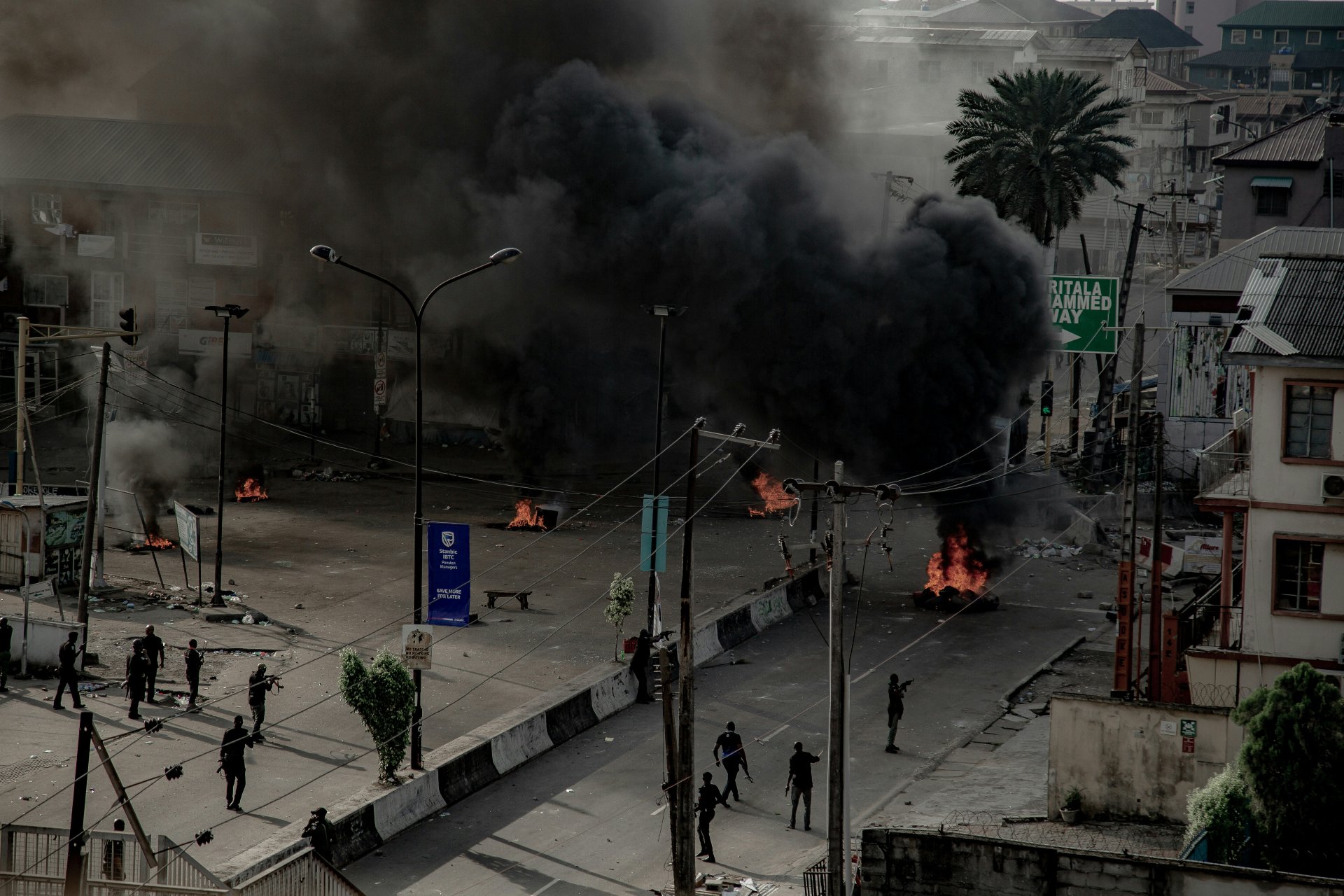
Recent violence in parts of Mexico prompted US officials to advise citizens to shelter in place rather than attempt movement through unstable areas. That guidance was not about restriction — it was about survival.
Sheltering in place also creates time. Time to gather information, assess conditions, secure essential supplies and prepare for potential escalation. It is a flexible posture. Restrictive, but not absolute.
Lockdown: Immediate Defense Against Active Threats
A lockdown represents a fundamentally different security posture. Where shelter in place limits movement, a lockdown eliminates it.
A lockdown is issued when there is an immediate, life-threatening danger — an active threat capable of causing harm to individuals within a specific area. This includes scenarios such as active shooter incidents, armed conflict, terrorist activity or rapidly escalating civil unrest.
Under lockdown conditions, the priority shifts from exposure reduction to target denial. Individuals are directed to secure themselves in the most protected location available. Doors are locked. Windows may be covered. Lights are turned off. Movement is minimized or eliminated entirely. Silence and concealment become part of the strategy.
In more severe situations, lockdowns extend beyond buildings. Entire cities or regions may be shut down. Transportation halts. Checkpoints are established. Military or law enforcement presence increases dramatically. During the recent Israel–Iran conflict, for example, several regions implemented strict lockdown measures, confining residents to their homes and suspending normal activity. Similar approaches have been used during periods of instability in Nepal and Madagascar.
A lockdown is not precautionary. It is reactive to an immediate threat. It carries a clear message: do not move, do not expose yourself and do not assume the situation is under control until authorities say so.
Shelter in Place vs Lockdown: Why the Distinction Matters in Security
At a glance, both directives involve staying where you are. That superficial similarity is what creates confusion. The difference lies in intent, urgency and risk profile. Shelter in place is about avoiding external hazards. Lockdown is about surviving an active threat. One allows for measured movement within a safe environment. The other requires complete restriction. One anticipates potential escalation. The other responds to immediate danger.
Misinterpreting these instructions can have serious consequences. Individuals who attempt to evacuate during a lockdown may move directly into harm’s path. Those who treat a shelter in place order as a lockdown may fail to prepare or gather necessary resources. In both cases, the margin for error is narrow.
Instinct vs Intelligence in Crisis Response
Human instinct during a crisis is often to flee. Movement feels like control. Action feels like safety. But instinct without information can be dangerous.
There are countless examples of individuals running toward gunfire, driving into wildfire zones or entering unstable areas during civil unrest. These actions not only increase personal risk, they complicate response efforts for emergency personnel. Security response depends on discipline, not impulse.
Another complicating factor is the lack of standardized terminology. Different countries, agencies and organizations use different language to describe similar protocols. A traveler in one country may encounter instructions that sound unfamiliar, even though the underlying directive is the same. This is where preparation becomes critical.
Preparation Is the Force Multiplier
Effective security response begins long before a crisis occurs. Families, organizations and travelers should identify safe areas within their environments. This includes understanding which rooms offer the most protection, where exits are located and how communication will be maintained if networks fail. Drills matter. Repetition builds clarity. When people understand expectations in advance, decision-making under pressure becomes faster and more accurate. Communication planning is equally important. Knowing how to receive updates, who to contact and where to get reliable information reduces confusion when conditions change rapidly. Preparation transforms uncertainty into structured response.
As emphasized in broader travel and security risk planning, understanding how to react during emergencies — whether civil unrest, infrastructure failure or sudden violence — is a foundational component of modern safety strategy .
The Transition Phase: When the Crisis Isn’t Over
One of the most overlooked aspects of security events is what happens after the immediate threat subsides.
The end of a lockdown or shelter in place order does not mean conditions are fully stable. There is often a transition period where risks remain elevated, information is incomplete and infrastructure is still recovering.
This phase requires patience and coordination. Premature movement or assumptions about safety can reintroduce risk. Recovery is part of the crisis cycle, not separate from it.
In complex or rapidly evolving situations, individuals and organizations often require support beyond their own capabilities.
This includes access to real-time intelligence, expert guidance, evacuation coordination and post-incident recovery assistance. Security is no longer just about physical protection — it is about information, timing and decision-making.
Having access to professional support systems can significantly improve outcomes, particularly in unfamiliar environments or international settings.
The Bottom Line: Two Strategies, One Objective
Understanding the difference between shelter in place and lockdown is not just about terminology. It is about recognizing two distinct strategies designed for different types of threats. Both exist for the same reason: to preserve life.
Emergencies rarely unfold the way people expect. They are fast, chaotic and often confusing. But clarity — especially in the earliest moments — creates advantage. Security is no longer a specialized concern. It is a daily reality shaped by a complex global environment.
The more clearly individuals understand these protocols today, the more effectively they can respond when the unexpected happens. And in a true crisis, that difference is everything.
The Global Rescue Connection
Understanding the difference between shelter in place and lockdown is essential, but knowledge alone is not enough when a real-world security event unfolds. In many crises — whether driven by violence, political instability, natural disasters or infrastructure collapse — conditions evolve rapidly and local response capabilities can become overwhelmed or unreliable.
A Global Rescue membership provides a critical layer of operational support that bridges the gap between awareness and action. Members gain 24/7 access to experienced medical and security professionals who deliver real-time guidance during unfolding events. Whether you are facing a shelter-in-place advisory during civil unrest or a full lockdown due to an active threat, having direct access to expert intelligence and decision support ensures you are not relying on fragmented or delayed information.
Global Rescue’s core services include field rescue from the point of illness or injury, medical evacuation to the most appropriate hospital and medical advisory services that help members navigate complex healthcare environments anywhere in the world. These capabilities are especially important when local infrastructure is strained or when time-sensitive decisions must be made under pressure.
The Security Add-On extends this protection into the realm of active threats and geopolitical instability. Members receive real-time security intelligence, threat monitoring and advisory support tailored to their exact location. In more severe situations — such as civil unrest, political upheaval or deteriorating security conditions — the security team, staffed by former military and special operations professionals, can coordinate and execute security extractions to move members out of harm’s way.
This level of support transforms how individuals respond to crises. Instead of reacting in isolation, members operate with a clear, informed strategy backed by professionals who understand both the threat environment and the logistics required to navigate it.
In a world where security risks are increasingly unpredictable, preparation is no longer just about knowing what to do — it is about having the right support when it matters most. Global Rescue ensures that whether you are sheltering in place, locked down or transitioning out of a crisis, you have a single, reliable lifeline guiding every step.
Categories:
Places & PartnersTravelApril 16, 2026

Article Highlights:
- Terrain in the Pyrenees is far steeper and more physically demanding than most European hunters expect.
- Day hunts offer flexibility and reduced logistical burden compared to high-altitude expeditions.
- Superior optics — especially sporting scopes and binoculars — are critical to locating well-camouflaged Ibex.
- Long-range shooting at steep angles is the defining technical challenge of the hunt.
- Preparation for unpredictable terrain and weather is essential for both success and safety.
Hunting in the Pyrenees is one of Europe’s most technically demanding and visually stunning pursuits.For experienced hunters, the appeal lies in the combination of accessibility and challenge. This is not a casual European outing. The Pyrenees demand physical conditioning, technical shooting proficiency and a disciplined approach to glassing. The Ibex, perfectly adapted to this harsh terrain, rewards patience and punishes complacency.
As Kelli Poole, Global Rescue sales manager and an avid world traveler and hunter, explains, “People often underestimate European mountain hunts. The Pyrenees, in particular, can be physically demanding.”
Pyrenean Terrain Can be Rougher Than You Think
One of the most consistent surprises for first-time hunters in the Pyrenees is the terrain itself. Europe carries a perception of refinement and accessibility, but the chamois and ibex habitats can tell a different story.
The mountains here are steep, broken and can be unforgiving. Sharp ridgelines, loose scree slopes and vertical rock faces define much of the landscape. Elevation gains are often abrupt rather than gradual and footing can shift under every step.
“The terrain hits you fast,” says Poole. “You’re not easing into altitude or terrain, you’re in it immediately. It’s rougher than most hunters expect for Europe.”
This unpredictability requires preparation. Physical conditioning should emphasize not just endurance, but balance and stability. Hiking poles, proper mountain boots and layered clothing are foundational.
Weather adds another variable. Conditions can shift rapidly, with clear mornings giving way to fog, wind or rain within hours. Hunters must be prepared for changing visibility and temperature swings throughout the day.
The Nature of the Hunt: Strategic Day Hunts
Unlike remote expeditions in Central Asia or Africa, ibex hunting in the Pyrnees is typically conducted as a series of day hunts. This structure offers a distinct advantage: flexibility.
Hunters often return to a base lodge or accessible accommodation each evening, allowing for recovery, reassessment and adjustments to strategy. This reduces logistical complexity while maintaining the intensity of the hunt itself.
“Day hunts give you breathing room,” Poole notes. “You can push hard during the day and still recover properly. That balance helps you stay sharp over multiple days.”
This does not make the hunt easy, however. Each day can involve significant elevation gain, long stalks and extended glassing sessions. The benefit is not reduced difficulty but improved sustainability over the course of the hunt.
Spotting the Ibex and Chamois: Optics Are Everything
Ibex and chamois are masters of concealment. Their coloration blends seamlessly with the rocky terrain, making them extraordinarily difficult to detect, even at relatively close distances.
This is where optics become decisive.
High-quality spoting scopes and binoculars are essential tools, not accessories. Hunters spend a significant portion of the day glassing distant slopes, scanning for subtle movement or the faint outline of horns against rock.
“You’re looking for something that doesn’t want to be seen,” Poole explains. “Without top-tier binoculars and a good spotting scope, you’re at a serious disadvantage.”
Time behind the glass allows hunters to identify mature animals, assess trophy quality and plan a viable approach route before committing to a stalk. Poor optics lead to missed opportunities and wasted effort.
In this environment, clarity, magnification, and eye relief are critical. Early morning and late afternoon — prime movement periods — often coincide with challenging lighting conditions. Inferior optics simply won’t perform when it really matters.
Long Shots and Steep Angles
Once an ibex or chamois is located and a stalk is executed, the final challenge begins: the shot.
Shots in the Pyrenees are rarely straightforward. Distances are often extended, and angles are steep — either uphill or downhill. These conditions introduce ballistic complexities that require preparation and experience.
Gravity affects bullet trajectory differently on angled shots, effectively shortening the horizontal distance. Hunters must adjust accordingly, often relying on rangefinders with angle compensation or prior training in mountain shooting.
“Make sure to take the time to build a good base when shooting,” says Poole. “You’re dealing with elevation, wind and sometimes unstable terrain and vegetation”
Wind is another factor. Mountain environments create unpredictable air currents that can shift direction and intensity quickly. Reading these conditions accurately is essential for ethical, effective shooting.
Practicing long-range shooting before the hunt is critical. Familiarity with your rifle, ammunition and ballistic performance under varied conditions can make the difference between success and a missed opportunity.
Expect the Unexpected
Preparation for an ibex hunt in the Pyrenees requires a comprehensive approach to uncertainty.
Terrain can change rapidly. Weather can shift without warning. Visibility can disappear in minutes. Hunters must be ready to adapt.
Key preparation considerations include:
- Training for steep ascents and descents.
- Practicing shooting from unconventional positions.
- Testing gear under real-world conditions.
- Building endurance for consecutive days of effort.
“Preparation is what keeps a hunt from turning into a struggle,” Poole emphasizes. “The more variables you can be prepared for ahead of time, the more you can focus on the hunt itself.”
Mental preparation is equally important. Patience, discipline and the ability to remain focused under pressure define successful hunters in this environment.
Why the Pyrenees Stand Out
The Pyrenees are unique because of their accessibility and intensity. Hunters can experience a true mountain hunt without the extreme remoteness of other global destinations, though the challenge remains authentic.
The ibex itself embodies this balance. Agile, resilient and perfectly adapted to its environment, it represents one of Europe’s most iconic game species.
For hunters seeking a test of skill rather than convenience, the mountains deliver.
“It’s one of those hunts that stays with you,” Poole reflects. “Not just because of the animal, but because of everything it takes to get there.”
The Global Rescue Connection
Lieutenant Colonel Rick Steiner, a retired US Army Special Forces commander with nearly two decades of operational experience, has spent years hunting in some of the most remote regions in the world. His perspective is direct and unambiguous:
“I’ve been to Afghanistan, Somalia, Uganda, Cameroon, Tanzania and British Columbia, so having a rescue organization standing behind me that has the capability to come get me anywhere I might be is an absolute necessity.”
Steiner’s hunts in southeastern Cameroon — deep within triple canopy jungle, surrounded by dangerous wildlife, extreme humidity and virtually nonexistent infrastructure — highlight a core truth that applies equally in the Pyrenees: risk is not always predictable, and it rarely presents itself the way you expect. Even experienced hunters, operating with discipline and awareness, encounter situations beyond their control.
In one case, a Global Rescue member hunting in similar remote conditions suffered a serious eye injury from something as mundane as a snapped elastic band. What began as a momentary accident quickly escalated into a potential loss of vision. From deep in the forest, Global Rescue coordinated an evacuation, guiding the hunting party to an airstrip, securing aircraft access and arranging onward transport to a specialized ophthalmology center in Belgium where treatment was immediately available.
In other incidents, Global Rescue has coordinated evacuations for hunters facing life-threatening illness in Mozambique and severe injuries following a leopard attack in Botswana, ensuring access to higher-level care when local medical infrastructure was insufficient.
These are not edge cases but are instead representative of what can happen when hunting in environments where terrain, wildlife and isolation intersect.
Even in the Pyrenees, where infrastructure is closer, the combination of steep angles, long-range shooting positions and remote ridgelines can delay traditional emergency response. A fall, a misstep on loose rock or a medical event at elevation can quickly turn into a logistical problem.
A Global Rescue membership bridges that gap.
Members gain access to field rescue from the point of injury, medical evacuation to the most appropriate facility — not just the nearest one — and 24/7 advisory support from experienced medical professionals. As Steiner experienced firsthand, that support extends beyond emergencies. When he fell ill during a trip, Global Rescue provided real-time medical guidance with a level of engagement comparable to a trusted physician.
“Global Rescue is the only service provider of its type that has earned my confidence,” Steiner said. “I simply won’t go on a hunting or fishing expedition without the peace of mind that comes from having a Global Rescue membership.”
(Lebanon, N.H. – April 16, 2026) – Global Rescue, the world’s leading provider of medical, security, evacuation and travel risk management services, has been named Best Traveler Protection for Adventure Travel in the 2026 Men’s Journal Travel Awards.
The annual awards recognize top travel companies and services based on performance, reliability and real-world effectiveness. Global Rescue earned top honors for its unmatched ability to respond to emergencies in remote and high-risk environments, where traditional travel insurance often falls short.
“The best travel protection for adventure travel isn’t about reimbursed flights or lost luggage—it’s about what happens when things go genuinely wrong in remote places,” said Ian Centrone, editor at Men’s Journal. “Global Rescue earned our recognition by excelling when the stakes are highest, delivering field rescue, medical expertise and global response capabilities that go far beyond conventional coverage.”
Beyond medical response, Global Rescue’s capabilities extend into complex security operations and crisis extraction missions in volatile environments, most recently in the Middle East. The organization regularly deploys security personnel — including former military special operations professionals — to support and evacuate travelers during geopolitical crises, civil unrest and volent conflict situations, including efforts to assist international travelers stranded by widespread airspace closures and escalating regional hostilities.
“Our security teams operate in highly dynamic environments where conditions can change rapidly,” said Fernando Lopez Medina, security operations supervisor at Global Rescue and a former U.S. Army Special Forces Green Beret. “We continuously assess threats, identify safe corridors and coordinate secure movements to relocate travelers from high-risk areas.”
Unlike conventional travel insurance providers that focus on reimbursement and hospital-to-hospital transport, Global Rescue provides on-the-ground response, including medically guided field rescues from virtually any location worldwide. Members can be transported directly from the point of injury or illness to their home hospital of choice.
“We assist adventure, business and leisure travelers in environments where immediate, expert response is critical,” said Dan Richards, CEO of The Global Rescue Companies. “This recognition reinforces our commitment to delivering the highest level of traveler protection — whether that means rescuing someone from a remote mountain or coordinating a complex security extraction in an unstable region.”
Global Rescue membership includes:
- Field rescue and evacuation from the point of illness or injury
- Security extraction and crisis response in high-risk environments
- No activity exclusions, covering pursuits such as mountaineering, trekking and extreme sports
- Medical advisory and telehealth services with direct access to leading physicians
- Global reach with integrated medical and security operations
“The Global Rescue model stands apart because it removes the limitations travelers often don’t realize exist until it’s too late,” Centrone added. “From remote extractions to real-time medical and security support, it’s a comprehensive safety net for serious travelers.”
For more than two decades, Global Rescue has supported travelers, enterprises and governments during crises ranging from natural disasters to geopolitical conflicts, providing expert response when and where it is needed most.
About Men’s Journal Travel Awards
The Men’s Journal Travel Awards recognize the best in travel, gear and services, highlighting companies that deliver exceptional performance, reliability and innovation for modern travelers. Awards are determined by editorial evaluation of real-world effectiveness and user value.
About Global Rescue
Global Rescue is the world’s leading provider of medical, security, evacuation and travel risk management services to enterprises, governments and individuals. Founded in 2004, Global Rescue has exclusive relationships with the Johns Hopkins Emergency Medicine Division of Special Operations and Elite Medical Group. Global Rescue provides best-in-class services that identify, monitor and respond to client medical and security crises. The company has supported clients through every major global crisis of the past two decades. For more information, visit www.globalrescue.com.
Categories:
Places & PartnersTravelApril 15, 2026
Article Highlights:
- Thailand offers exceptional value through affordable food, lodging and transportation without sacrificing cultural depth or beach appeal.
- Bangkok and Phuket showcase Thailand’s signature contrast between vibrant city energy and relaxing tropical escape.
- Thai culture shines through landmarks like Wat Arun, renowned hospitality and one of the world’s most celebrated food scenes.
- Travelers should plan for moderate risks including petty theft, hazardous roads, monsoon weather and regional security concerns.
- Strong pre-trip health planning, food and water precautions and evacuation support can significantly improve travel safety in Thailand.
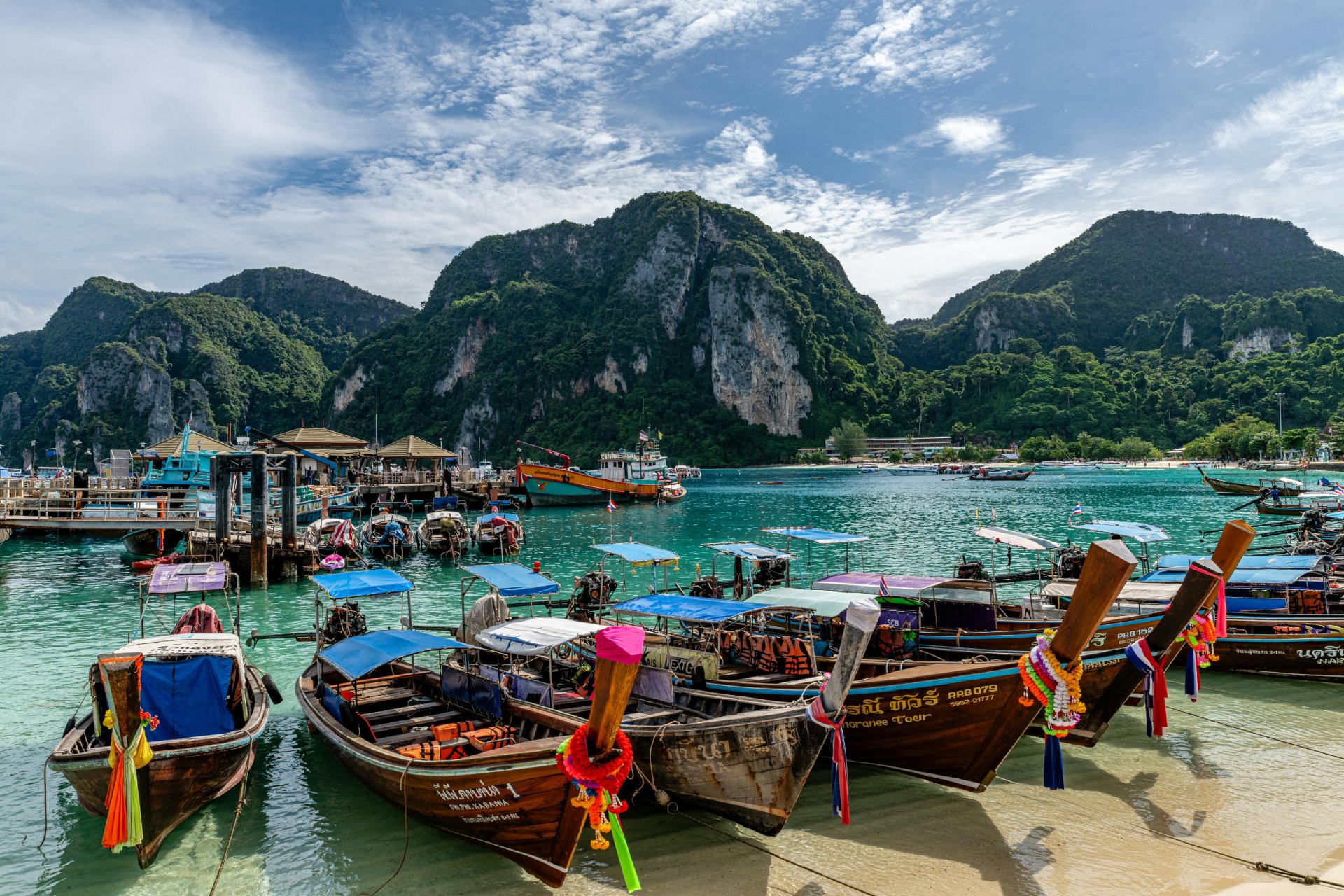
Thailand has long held its position as one of the most compelling destinations in global travel and for good reason. Few countries deliver such a balanced combination of affordability, cultural depth, culinary excellence and geographic diversity. Whether you’re navigating the vibrant streets of Bangkok, relaxing on the beaches of Phuket or exploring ancient landmarks like Wat Arun, Thailand offers a layered experience that appeals to first-time travelers and seasoned explorers alike.
At its core, Thailand remains a high-value destination. Even as tourism demand increases and prices rise in popular areas, the country continues to deliver exceptional experiences at a fraction of the cost of comparable destinations. For travelers seeking both energy and escape, Thailand provides a rare duality: a place where bustling city life and tranquil island retreats coexist seamlessly.
Why Thailand Is Worth Visiting
Thailand’s appeal begins with accessibility and value. Accommodation ranges from budget-friendly guesthouses to luxury resorts, transportation is efficient and inexpensive and food — arguably the country’s greatest asset — is both affordable and world-class. A simple street-side serving of pad thai can rival meals at high-end restaurants anywhere in the world.
But cost alone does not define Thailand’s appeal. Its diversity is what sets it apart. In a single trip, travelers can experience dense urban energy, mountainous landscapes in the north and pristine tropical coastlines in the south. Bangkok delivers sensory overload — markets, temples, nightlife and modern infrastructure — while Phuket and other islands offer a slower pace defined by beaches and ocean views.
Culturally, Thailand is deeply rooted in tradition. Buddhist temples, royal palaces and historic sites provide a tangible connection to the country’s past. Landmarks such as Wat Arun, with its striking riverside spires, exemplify Thailand’s architectural and spiritual identity. Festivals, rituals and daily customs reflect a society that balances modernity with heritage.
Equally important is the country’s reputation as the “Land of Smiles.” Thai hospitality is widely recognized and for many travelers, interactions with locals become a defining part of the experience.
Bangkok: The Gateway to Thailand
Most journeys begin in Bangkok, a city that functions as both a gateway and a destination in its own right. It is a place of contrasts — where ancient temples stand alongside skyscrapers and luxury malls.
Bangkok’s appeal lies in its intensity. Street markets buzz late into the night, food vendors line nearly every street and cultural landmarks are woven into the urban fabric. Wat Arun, located along the Chao Phraya River, is one of the city’s most iconic sites. Its intricate design and riverside setting make it a must-visit for travelers seeking both history and visual impact.
Beyond temples, Bangkok offers a dynamic culinary scene. From street food stalls to Michelin-starred restaurants, the city is a global food capital. Pad Thai, green curry and mango sticky rice are just entry points into a much broader culinary landscape.
Bangkok, however, is not without its challenges. Traffic congestion, heat and crowds can be overwhelming, particularly in peak travel seasons. Navigating the city effectively requires patience and planning.
Phuket and Thailand’s Island Escape
If Bangkok represents energy, Phuket represents escape. As Thailand’s largest island and one of its most visited destinations, Phuket offers a mix of developed tourism infrastructure and natural beauty.
Beaches remain the primary draw. White sand, turquoise water and a wide range of accommodations make Phuket accessible to nearly every type of traveler. Activities range from snorkeling and diving to island-hopping excursions and luxury spa experiences.
That said, Phuket also highlights one of Thailand’s key trade-offs: popularity brings crowds. High-traffic areas can feel commercialized, particularly during peak season. Travelers seeking quieter experiences often explore nearby islands or less-developed coastal regions.
Even so, Phuket remains a cornerstone of Thailand travel. Its accessibility, amenities and scenery make it an essential part of the country’s tourism ecosystem.
Timing, Duration and Travel Strategy
Timing plays a critical role in shaping the Thailand experience. The most favorable conditions typically occur between November and February, when temperatures are more moderate and rainfall is limited. This period also coincides with peak tourist season, meaning higher prices and larger crowds.
Travelers visiting during the monsoon season may encounter heavy rains and occasional flooding, particularly in coastal regions. Off-peak travel, however, can also offer advantages, including fewer crowds and lower costs.
Duration is another consideration. While some argue that a week is too short to fully experience Thailand, even a limited visit can be worthwhile. The key is to prioritize regions rather than attempting to cover the entire country in one trip.
Safety, Risk and Realities
Thailand is generally considered safe for travelers, but it carries a moderate risk profile that requires awareness. Petty crime, including pickpocketing and theft, is most common in tourist-heavy areas such as Bangkok and Phuket. Road travel presents a more significant risk due to inconsistent driving practices and infrastructure challenges.
Political dynamics also matter. Thailand operates under a constitutional monarchy and strict laws limit criticism of the monarchy. Violations can result in serious legal consequences, making cultural awareness essential.
There are also regional risks. The southernmost provinces experience periodic violence due to insurgent activity and border areas with neighboring countries can be unstable. While these issues rarely impact mainstream tourism, they reinforce the importance of staying informed.
Health risks are another factor. Vector-borne diseases, foodborne illness and environmental hazards such as monsoons all require attention. Travelers should take preventive measures and understand that medical care varies significantly by location.
Immunizations and Health Risks
Travelers to Thailand should ensure routine vaccinations are up to date, including MMR, DPT and polio, while also considering additional protection against diseases such as hepatitis A and B, typhoid, influenza and region-specific risks like Japanese encephalitis or rabies depending on itinerary and exposure; consulting a travel health professional before departure is strongly advised.
Thailand presents a wide range of health risks including mosquito-borne diseases such as dengue and malaria, food- and waterborne illnesses like traveler’s diarrhea and typhoid, environmental hazards such as air pollution and flooding and exposure-related risks from contaminated water, animals or unsafe medical practices; most risks can be mitigated through preventive behavior, hygiene, insect protection and informed decision-making.
Medical care in Thailand varies widely. Bangkok and major tourist centers offer high-quality private hospitals with English-speaking staff, while rural areas may lack advanced facilities and timely emergency response. Payment is often required upfront and travelers should verify insurance coverage before treatment.
Food and water safety also require discipline. Tap water is not considered potable and travelers should rely on bottled or purified sources. Avoiding undercooked foods, unpasteurized products and improperly stored meals reduces the risk of illness.
The Global Rescue Connection
Thailand delivers extraordinary value, diversity and cultural depth, but it also presents a complex operating environment where medical, environmental and security variables can shift quickly. For travelers moving between urban centers, remote islands and rural regions, preparation is essential.
A Global Rescue membership provides a critical layer of protection beyond traditional travel insurance. Services include field rescue, medical evacuation, real-time medical advisory and access to vetted healthcare resources. When local systems fall short, Global Rescue coordinates care and transport to the most appropriate facility.
For example, Global Rescue facilitated the medical care of a member suffering from pericardial effusion while in Udon Thani, ensuring access to appropriate treatment. In another case, the organization provided medical advisory services and arranged a hospital referral in Bangkok for a member experiencing chest pain, demonstrating how rapid coordination can significantly improve outcomes.
Thailand remains one of the most rewarding destinations in the world, offering a rare combination of affordability, culture, cuisine and natural beauty. From the energy of Bangkok to the beaches of Phuket and the timeless presence of Wat Arun, the country delivers experiences that resonate long after the journey ends.
But Thailand is not a frictionless destination. It requires awareness, preparation and a realistic understanding of its risks. For travelers willing to approach it thoughtfully, the reward is a trip that feels both expansive and deeply personal — one that continues to define what international travel can be.
(Lebanon, N.H – April 14, 2026) – Rare natural phenomena such as auroras, solar eclipses, wildebeest migrations and volcanic eruptions are the strongest catalysts for event-driven international travel, surpassing sporting events, concerts and festivals, according to the Global Rescue Winter 2026 Traveler Sentiment and Safety Survey. Even so, the findings show that event travel remains a selective motivator, tempered by safety concerns, crowd density and overall risk tolerance.
Overall, 19% of travelers say natural phenomena are the most likely event type to influence their decision to travel internationally. Major sporting events rank a distant second at 11%, followed by music concerts or tours at 9% and cultural or religious festivals at 8%. Conferences and global summits trail at 6%. Notably, 39% of travelers say none of the listed live event types would influence their decision to travel internationally, reinforcing that event travel is not a primary driver for most travelers.
Women show a stronger inclination than men toward phenomenon-driven travel. Twenty-five percent of women say natural events such as auroras or solar eclipses influence their international travel decisions, compared to 15% of men. Men, however, are more likely to travel for major sporting events, with 19% citing sports as a motivator versus 9% of women. Women also demonstrate slightly higher interest in music concerts and cultural festivals.
US and non-US travelers differ sharply in their motivations. Non-US travelers are significantly more likely to travel internationally for natural phenomena, at 25%, compared to 17% of US travelers. US travelers are more inclined to say no event type influences their travel decisions at all, with 42% selecting “none of the above,” compared to 33% of non-US respondents.
“Natural phenomena create rare, time-specific travel opportunities that can’t be replicated or rescheduled,” said Dan Richards, CEO of The Global Rescue Companies and a member of the US Travel and Tourism Advisory Board at the US Department of Commerce. “That urgency makes these events more compelling than sports or entertainment, but they still don’t override safety, crowd and risk considerations for most travelers.”
Among travelers who do pursue event travel, planning approaches remain divided. Overall, 27% say they prefer to avoid event-driven travel altogether. About 21% say the event itself is the primary reason for the trip, and another 21% say the event strongly influences their destination choice. Fifteen percent treat events as a secondary add-on to an existing itinerary.
Non-US travelers are more likely to build trips around events, with 23% saying the event is the primary reason for travel and 26% saying it strongly influences destination choice. In contrast, 33% of US travelers say they prefer to avoid event-driven travel. Men are slightly more likely than women to avoid event travel, while women are marginally more likely to let events shape destination decisions.
Crowd density remains a critical limiting factor for event travel. Overall, 38% of travelers say crowds discourage them from attending events in person, while 33% prefer smaller or less crowded events. Only 20% say they tolerate crowds if the event is important, and fewer than 1% actively seek out large, high-energy crowds.
Women are more likely than men to say crowds discourage attendance, while men show a higher willingness to tolerate crowds for important events. US and non-US travelers express similarly high levels of crowd aversion, underscoring that large gatherings continue to elevate perceived risk regardless of traveler origin.
“These findings highlight that even the most compelling natural events must be matched with strong safety planning and crowd management,” Richards said. “For destinations hoping to attract event travelers, managing risk is just as important as promoting the spectacle.”
About the Global Rescue Traveler Sentiment and Safety Survey
Global Rescue, the leading travel risk and crisis response provider, surveyed more than 1,400 current and former members between January 13 – 17, 2026. Respondents shared their attitudes, behaviors and preferences related to travel safety, technology and global mobility.
About Global Rescue
Global Rescue is the world’s leading provider of medical, security, evacuation and travel risk management services to enterprises, governments and individuals. Founded in 2004, Global Rescue maintains exclusive relationships with the Johns Hopkins Emergency Medicine Division of Special Operations and Elite Medical Group. The company has provided medical and security support during every major global crisis over the past two decades.
Categories:
TravelApril 14, 2026
Article Highlights:
- Ticket fraud remains the most common and costly scam facing World Cup 2026 fans.
- AI-generated confirmations and deepfake customer support represent a new generation of highly convincing fraud.
- Accommodation scams are expected to surge in secondary host cities across Mexico, Canada and the United States.
- Visa, transport and credential phishing scams exploit the tournament’s multi-country format.
- Early planning, verified platforms and secure payment methods dramatically reduce risk.
The FIFA World Cup 2026 will be the largest sporting event ever held, spanning Mexico, Canada and the United States and drawing millions of international fans for more than a month of matches, festivals and global celebration. With unprecedented scale comes unprecedented opportunity, not just for travel and sport, but for fraud.
History shows that every mega-event attracts sophisticated scam operations. From counterfeit tickets at Qatar 2022 to accommodation fraud during the Olympics and identity theft surrounding major football tournaments in Europe and South America, criminal networks refine their tactics with every cycle. Early indicators suggest World Cup 2026 will be no exception.
Understanding the most common and emerging scams and how to prevent becoming a victim is now a critical part of travel planning for the FIFA World Cup 2026.
The Most Common FIFA World Cup 2026 Scams
Fake or Invalid Tickets (Primary Risk)
Ticket fraud remains the single most common scam associated with the world cup. Fraudsters sell counterfeit tickets, duplicate QR codes or tickets obtained through compromised accounts that are later voided. In many cases, victims do not realize they have been scammed until they are denied entry at the stadium. Warning signs include tickets offered before FIFA’s official sales phases, sellers providing PDF files or screenshots instead of official mobile transfers and individuals claiming affiliation with FIFA, host committees or sponsors. In reality, only FIFA’s official ticketing platform and authorized resale partners guarantee ticket validity and even polished, professional-looking secondary marketplaces can carry significant risk.
Accommodation Scams
Short-Term Rentals and Hotels: Lodging fraud typically spikes during major international events and the FIFA World Cup 2026 will be no exception. Scammers create fake short-term rental listings, clone legitimate hotel websites or advertise real properties without the owner’s knowledge, often directing travelers to pay outside trusted booking platforms. Red flags include requests for wire transfers or cryptocurrency, prices that are far below market value, limited or unverifiable reviews and vague property descriptions. This type of scam is expected to increase in secondary host cities, where accommodations are scarce and visitors may be unfamiliar with local neighborhoods.
Credential and Fan ID Phishing
Phishing scams target personal and travel credentials by impersonating FIFA, ticketing partners or immigration authorities through email or text messages. These messages request passport details, login credentials or payment information, frequently using urgent language that threatens ticket cancellation or travel disruption. Suspicious links that do not resolve to official FIFA or government domains and unsolicited requests for sensitive information are key warning signs. The consequences can include identity theft, ticket account takeovers and the resale of stolen tickets on secondary markets.
ATM Skimming and Payment Fraud
Payment fraud remains a persistent risk in tourist-heavy areas and near fan zones. Criminals use skimming devices or compromised point-of-sale terminals to capture credit card information, often without the victim’s immediate awareness. Travelers can reduce exposure by using contactless payments whenever possible, avoiding standalone ATMs in high-traffic tourist districts and closely monitoring bank and credit card statements throughout their trip.
AI-Generated Ticket and Booking Confirmations
The extended planning horizon and multi-country format of the FIFA world cup have opened the door to more sophisticated scams, including AI-generated ticket and booking confirmations. Advances in artificial intelligence allow fraudsters to create highly convincing documents featuring realistic barcodes, seat maps, airline branding and official-sounding language. These confirmations can pass casual inspection and may only be identified as fraudulent during final verification at a stadium or airport, making them particularly dangerous.
Deepfake Customer Support Impersonation
In this emerging scam, victims are redirected to fake customer service agents via platforms such as WhatsApp, Telegram or fraudulent call centers. Voice cloning technology and scripted responses are used to closely mimic legitimate customer support. A common scenario involves a claim that a ticket payment failed and must be re-verified, prompting victims to disclose payment or account information.
Border and Visa Fast-Track Scams: Some fraudulent services claim they can expedite visas for travel to the United States, Canada or Mexico by citing special FIFA-approved immigration lanes or World Cup-related fast-track processes. In reality, there is no guaranteed expedited visa program tied to match attendance and all visa requirements and processing timelines are determined solely by government authorities.
Host City Transport and Shuttle Scams
Transportation-related scams exploit the complexity of moving between host cities spread across three countries. Fake shuttle passes, parking permits or so-called “official fan transport” offers are sold online, often accompanied by QR codes that fail when scanned at pickup locations. With long distances and unfamiliar transit systems, fans are especially vulnerable to this type of fraud, making verification of transport providers essential.
Practical Risk Mitigation for World Cup 2026 Attendees
To reduce the risk of fraud, travelers should follow a disciplined approach throughout the planning process. Tickets should only be purchased through FIFA or officially authorized resale platforms and payments should never be sent via wire transfer, cryptocurrency or peer-to-peer apps to unknown parties.
Verifying website domains carefully before entering any personal or payment information is essential, as is using credit cards for major purchases to preserve chargeback and dispute rights. Extra vigilance is especially important during high-risk periods, including ticket release phases, group draw announcements, team qualification milestones and the final 90 days before matches, when scam activity typically peaks.
The scale, duration and geographic spread of the world cup 2026 make it uniquely attractive to organized fraud networks. Scams are expected to peak months before kickoff and again in the final weeks leading up to matches. Fans traveling across borders, juggling tickets, accommodations and transportation in unfamiliar cities face a broader threat landscape than ever before.
The Global Rescue Connection
Even the most prepared travelers can encounter unexpected risks during an event as large and complex as the FIFA World Cup 2026. Beyond fraud, medical emergencies, security incidents and logistical disruptions can arise far from home.
A Global Rescue membership provides critical support when it matters most, including field rescue, medical evacuation, real-time medical advisory services and global security assistance. For fans traveling across borders and navigating unfamiliar environments, Global Rescue offers an added layer of protection, expertise and peace of mind, so the focus remains on the game, not the risks.
Categories:
Places & PartnersTravelApril 10, 2026

Article Highlights:
- Security conditions vary significantly across Mexico, making risk awareness and destination selection essential for World Cup 2026 travelers.
- Mexico will host the FIFA World Cup 2026 at Estadio Azteca, Estadio Akron and Estadio BBVA, with Mexico City opening the tournament.
- Travel risks vary widely by region, making destination choice and preparation essential.
- Mexico City offers the strongest healthcare infrastructure, while rural areas remain limited.
- Transportation, water safety and medical planning are critical for international travelers.
Mexico offers extraordinary travel experiences, but security — not scenery — is the first variable serious travelers should evaluate. Conditions are not uniform. They shift by state, city and even neighborhood, requiring a more granular approach than many visitors expect.
For World Cup 2026, major host cities — Mexico City, Guadalajara and Monterrey — will operate under heightened security protocols. Expect increased police presence, controlled stadium access and reinforced tourist zones. These measures reduce risk inside event corridors, but they do not eliminate broader environmental factors.
Petty crime such as pickpocketing and theft is common in crowded environments, particularly public transit hubs and large gatherings like matches. More serious risks, including organized crime and express kidnapping, remain localized but real in certain regions. The practical takeaway is straightforward: where you go and how you move matters.
Travelers who treat Mexico as a single, uniform destination often underestimate this variability. Those who approach it as a collection of distinct risk environments tend to navigate it far more effectively.
Mexico and the FIFA World Cup 2026
Mexico will once again take center stage in global football, hosting matches across three iconic venues.
Mexico City will anchor the tournament at Estadio Azteca, the only stadium in history to host three World Cups. It will also host the opening match, placing the capital at the center of global attention. Guadalajara’s Estadio Akron brings modern design and one of the most passionate fan bases in the country, while Monterrey’s Estadio BBVA represents one of Latin America’s most advanced stadium environments.
For travelers, these venues offer world-class experiences, but they also concentrate crowds, increase movement complexity and elevate opportunistic crime risk. Planning transportation and arrival logistics in advance is not optional during major match days.
Mexico City: Infrastructure, Altitude and Urban Complexity
Mexico City is the country’s most developed urban environment and offers the strongest combination of infrastructure, healthcare and international accessibility.
Private hospitals meet high standards, making the city the safest location in Mexico from a medical standpoint. That distinction becomes critical in emergencies, especially compared to rural or coastal regions where capabilities drop significantly.
Mexico City, however, introduces its own challenges. At over 7,300 feet, altitude can affect visitors, particularly during physically demanding activities like navigating stadium crowds or long walking days.
Urban density also creates layered security considerations. Crowded metro systems, traffic congestion and large public gatherings increase exposure to petty crime. Rideshare platforms such as Uber and Didi are generally more controlled and reliable than street taxis or public transit during peak periods.
Food, Mezcal and Water Safety
Mexico’s cultural appeal is inseparable from its cuisine. From Mexico City’s fine dining to Oaxaca’s traditional kitchens, food is a central part of the experience.
Oaxaca stands out for its culinary heritage and its deep connection to mezcal (also spelled mescal), a spirit rooted in regional identity. Visitors often tour distilleries and explore traditional production methods, adding depth to the travel experience.
Yet food and water safety remain operational concerns. Tap water is not safe to drink due to contamination risks within distribution systems. Bottled or purified water is essential, and ice or raw foods should be approached cautiously. Street food can be exceptional, but vendor selection matters. High turnover, visible hygiene practices and local popularity are useful indicators of safety.
Transportation and Movement Risk
Mobility in Mexico requires more planning than many travelers anticipate. Public transportation systems are extensive but crowded, making them prime environments for theft. For World Cup travelers, this risk increases significantly around match venues and transit corridors.
Driving introduces additional variables. Road conditions vary, signage can be inconsistent and nighttime travel — particularly on highways — is strongly discouraged due to both safety and security concerns. The most reliable approach is controlled transportation: hotel-arranged vehicles, vetted private drivers or established rideshare platforms.
Emergency services are accessible via 911, but response times and capabilities can vary. Travelers should not assume US-level consistency, particularly outside major cities.
Risk Overview: A Layered Environment
Mexico’s overall risk profile is best described as moderate, but that classification masks important nuances. Security risks range from petty theft in tourist zones to organized crime activity in specific states. Demonstrations occur regularly and can escalate quickly, disrupting transportation and access.
Health risks also vary. Mexico City offers reliable care, but outside major urban centers, medical infrastructure can fall below international expectations. Many facilities require upfront payment before treatment, which can delay care in urgent situations.
Natural hazards further complicate planning. Hurricanes affect coastal regions, earthquakes occur periodically and volcanic activity remains an ongoing consideration in certain areas.
For travelers attending the FIFA World Cup 2026, the intersection of large crowds, infrastructure strain and regional variability makes preparation a critical component of the experience.
Before You Go: Entry and Preparation
Travel requirements are straightforward. US and Canadian citizens do not need a visa for stays under 180 days but must carry a valid passport and complete the Forma Migratoria Múltiple upon arrival. Customs regulations are strict. Firearms are prohibited, and certain medications or cash amounts must be declared.
Preparation should extend beyond documentation. Travelers benefit from pre-planning transportation, understanding regional risks and identifying medical facilities in advance — particularly if traveling beyond major cities.
The Global Rescue Connection
Mexico delivers culture, energy and once-in-a-generation events like the FIFA World Cup 2026 — but it also presents a layered risk environment where medical and security variables can change quickly.
A Global Rescue membership addresses the gaps that traditional travel planning cannot. Members receive field rescue from the point of illness or injury, medical evacuation to the most appropriate facility and 24/7 access to medical advisory services. Whether navigating altitude in Mexico City, traveling between host cities or exploring Oaxaca, expert support is always within reach.
The Security Add-On becomes especially valuable in a destination like Mexico. It provides real-time intelligence, security advisory support and, if conditions deteriorate, coordinated security extraction. Staffed by former military and special operations professionals, these teams monitor evolving threats, guide decision-making and assist with safe movement when environments become unstable.
For World Cup travelers, this combination matters. Large-scale events amplify both opportunity and risk. Crowds surge, infrastructure strains and situational awareness becomes harder to maintain.
Global Rescue transforms that uncertainty into structure. Instead of reacting to problems, members operate with a defined safety net — medical, logistical and security — already in place.
In a destination as dynamic as Mexico, that difference is operational.