
Share This:

Security Decisions That Make Shelter in Place and Lockdown Actions Clear

Understand shelter in place vs. lockdown with expert guidance on security, evacuation and crisis decisions.

Article Highlights:

  • Differentiating shelter in place from lockdown is essential for effective crisis response.
  • Shelter in place offers a temporary protective pause during threats like earthquake, wildfire, storm or power outage.
  • Lockdown is used for immediate, violent threats such as active shooters or riots and requires total immobility and compliance.
  • Instincts often push people toward unsafe actions during emergencies; preparedness and communication counter those impulses.
  • Travel and organizational safety depend on clear plans, situational awareness and coordinated evacuation when conditions allow.


Security incidents, natural disasters and sudden disruptions remind us over and over again how quickly normal can crumble. A mass power outage across Spain and Portugal blacked out millions. Political protest movements in Madagascar and Nepal erupted without warning. A UPS cargo plane crash in Louisville shut down major portions of the city. And when tensions between Israel and Iran escalated into a brief but intense war, even travelers in Doha felt the explosive ripple effects.

Add to these the familiar but no less dangerous events — earthquake, wildfire, bomb scare, active shooter, blizzard — and the reality becomes impossible to ignore: crises are no longer rare. They are part of the modern landscape.

Harding Bush, former Navy SEAL and Global Rescue’s director for security operations, captures the urgency clearly: “Survival often hinges on recognizing what type of emergency you’re facing and understanding how to respond in the earliest moments.”

Yet two of the most common emergency instructions — shelter in place and lockdown — remain widely misunderstood. The terms sound similar, but as Bush emphasizes, confusing them “can place both civilians and emergency responders in greater danger.”


Shelter in Place: A Protective Pause

A shelter-in-place directive is about time. Time to gather information. Time to evaluate risk. Time for authorities to stabilize what’s unfolding.

Bush describes it as “a protective pause,” a period of deliberate stillness designed to reduce exposure to hazards outside. In situations such as hurricanes, storms, chemical releases, fast-moving wildfires or even extreme power outage events, staying indoors protects civilians while keeping roads clear for emergency vehicles.

Sheltering in place serves three essential purposes:

1. Reduces unnecessary exposure: Even when the instinct to flee is strong, the outside environment might be the bigger threat. Downed power lines, falling debris, contaminated air or collapsing infrastructure can turn an attempted escape into a life-threatening decision.

2. Prevents congestion and interference: People on the move during a crisis, especially during weather-driven or infrastructure-driven emergencies, “can clog evacuation routes that responders need to access,” Bush notes.

3. Creates space to plan: A shelter-in-place period provides critical minutes for individuals to: gather supplies; secure their immediate surroundings; communicate with family or coworkers; monitor evolving conditions; and prepare for a potential evacuation if conditions shift.

It is not a long-term measure. It is a temporary tactical choice that buys safety and clarity.


Lockdown: When the Threat Is Immediate

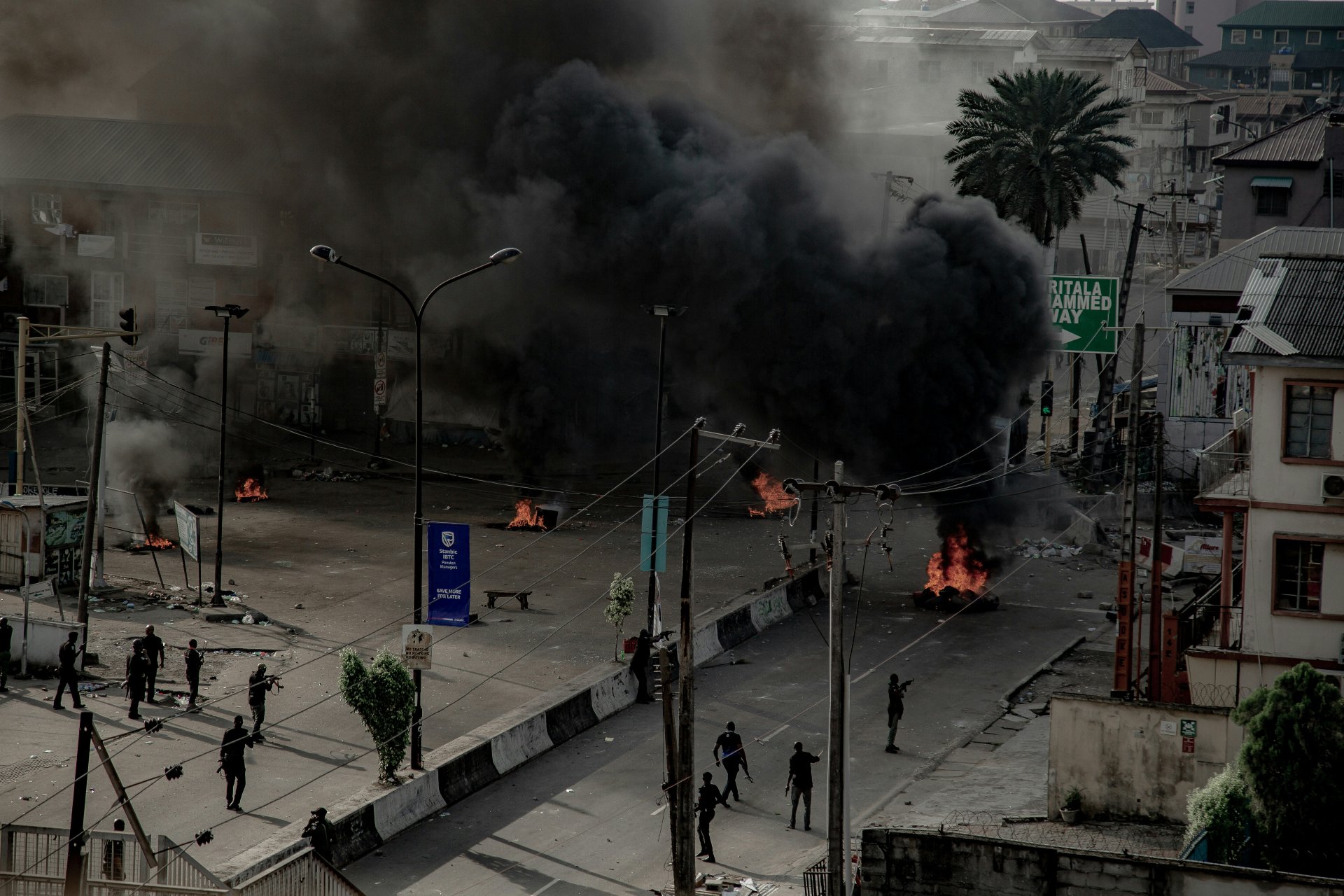
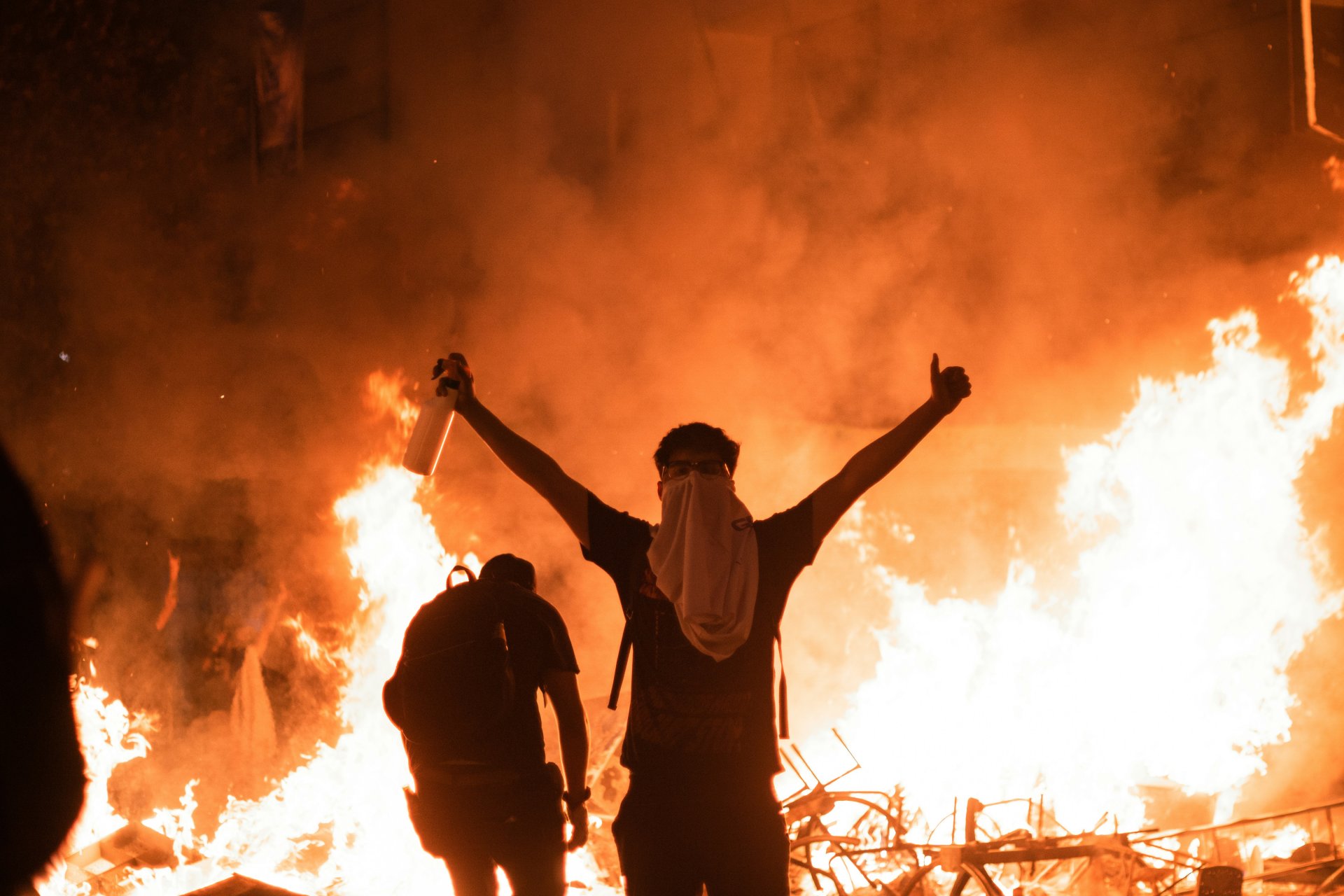
A lockdown is fundamentally different than a shelter-in-place. While a shelter-in-place order limits movement, a lockdown halts it completely. Used during violent crises such as active shooter events, armed conflict or explosive civil unrest, a lockdown assumes the threat is present, immediate and potentially lethal.

Key characteristics include:

  • Securing doors and access points.
  • Restricting all interior movement.
  • Seeking reinforced or hardened spaces.
  • Disabling normal operations instantly.
  • Police or military enforcement, including checkpoints and road closures.

Bush explains: “A lockdown is an unequivocal message: the threat is immediate and remaining exactly where you are, protected, out of sight and secured, is the safest course of action.”

During the recent Israel–Iran conflict, lockdowns kept residents inside as missiles flew overhead. In Madagascar and Nepal, violent protests triggered similar restrictions as governments moved to protect the public. Unlike shelter-in-place, which often offers flexibility and short-duration stability, a lockdown demands absolute compliance.


Instinct vs. Intelligence

Bush has seen people make the wrong decision in moments that matter most and the consequences firsthand. “I’ve seen civilians flee toward gunfire, attempt to drive through wildfire zones and unknowingly move into streets filled with violent crowds.”

Why does this happen? Several factors contribute:

1. Fight-or-flight instinct: The hard-wired desire to escape can override rational thinking, especially when threat levels are unclear.

2. Poor situational awareness: People often act on partial or incorrect information. Without real-time updates, a seemingly safe route may lead directly into danger.

3. Non-standard terminology: Emergency language varies widely between countries, cities and even organizations. A visitor in Tokyo may hear instructions framed differently than in New York, Nairobi or Oslo. One employer’s “secure-in-place” may match another organization’s “lockdown.”

These inconsistencies make preparation essential. Bush emphasizes that “clarity established in advance leads to decisiveness under pressure.”

Whether you are a traveler, a family member or a corporate decision-maker responsible for colleagues in unfamiliar settings, preparation is your advantage.


Preparation Basics

Identify safe areas and know the interior rooms with no windows, hard cover and limited access points. Establish communication plans by using group messaging tools, emergency contact protocols or traveler tracking services to ensure accountability during crises. Practice and rehearse both shelter-in-place and lockdown responses. The goal is muscle memory, not improvisation. During a crisis, monitor official instructions from local authorities, embassy or consular services, security professionals and trusted intelligence or alert providers.

The immediate crisis is only the first phase. “There is always a transition period — sometimes gradual, sometimes prolonged — during which conditions stabilize,” Bush said. Moving from crisis to recovery requires patience, communication and coordinated decision-making, especially when facing a potential evacuation.


Why Understanding the Difference Matters

The distinction between shelter-in-place and lockdown is a life-preserving skill. “Understanding the difference … is more than knowing a pair of terms; it’s understanding two distinct strategies for staying alive,” Bush said.

Emergencies never unfold neatly. They evolve. They escalate. They surprise even the trained experts. But the ability to interpret the threat and apply the right response, whether to pause, hide, move or evacuate, can save lives.

Travelers, families and organizations that invest in preparedness today gain an undeniable advantage when the unexpected arrives tomorrow.


The Global Rescue Connection

In a world where crises escalate quickly, and where the wrong move can turn danger into catastrophe, having expert guidance is indispensable. Whether you’re navigating civil unrest, a natural disaster, a violent security incident or an emergency requiring evacuation, Global Rescue provides the support that transforms panic into a plan.

A Global Rescue membership ensures access to:

  • Field rescue in remote or dangerous environments.
  • Medical evacuation to your home hospital of choice.
  • Medical advisory services available 24/7.
  • Security intelligence and guidance before, during and after a crisis.

When sheltering in place isn’t enough and a lockdown becomes untenable, Global Rescue helps travelers and organizations make the safest move possible, back to stability.

Share This:

Under Fire in Jerusalem

Two Global Rescue members' escape from the Hamas attacks on October 7, 2023.

A couple from Washington state was having breakfast in their Jerusalem hotel when the air raid sirens started blaring. It was October 7, the morning of the Hamas attack of Israel. 

Patrick and Sharon Ellis arrived in Ashdod, Israel, aboard a cruise ship and disembarked before making their way to their hotel in the Old City of Jerusalem by early afternoon. They planned to stay for five days and started walking around the neighborhood. “We ate our way through the market. It was amazing. The food was phenomenal. The bread, the lamb kebabs and the fresh juices were so good. It was a great day,” he said. 


A middle-aged white couple wearing sunglasses and hats poses for a photo beneath arches in an Israeli city.


Things changed dramatically Saturday morning. “We planned a walking tour with a group following breakfast. At 6:30 in the morning, the air raid sirens went off. I thought it was a drill,” he said. 

Ellis observed that no one seemed overly concerned, at first. “I noticed the waiters all walked outside and then came back in, locked the doors and closed the windows,” Ellis said. The warning alarms sounded a few more times. Everyone was puzzled. “I don’t think anybody knew at that point that we were under missile attack,” he said. 

The Ellises decided to proceed with the walking tour. The streets were abandoned. The couple knew it was the Sabbath but remained concerned that the streets were so empty. “There was nobody out. Not a soul. This was strange and didn’t look good,” he added. 


Abandoned market in Jerusalem.


As the twosome approached the Jaffa Gate, the air raid sirens blared again followed by an earth-shattering boom. The couple looked up and saw rocket vapor trails crossing the sky with another set of exhaust trails on a collision course. “The interceptor rockets started blowing up the incoming missiles. It must have been the Iron Dome defense system in action,” Ellis said.

Worried about falling debris, shrapnel and further attacks, Patrick changed plans. “I told Sharon we’ve got to get out of here.”

They returned to the hotel and were led to a shelter inside and tried to find information on the news channels. The sirens continued and then they heard gunfire. That’s when they decided to leave. 

“We needed to get back to Tel Aviv and be near the airport. I was worried an escalation of attacks could close the highways. I wanted to be near the airport,” he said. It took four hours for the Ellises to get a cab that would take them to a hotel in Bat Yam, a Tel Aviv suburb seven miles from the airport.  


[Related Reading: Holidays in the Holy City: Health and Safety Risks for Travelers in Jerusalem]


Upon arrival at the hotel, the couple was given directions to the bomb shelter if the sirens sounded. “Thirty minutes later the sirens sounded, and we started to go to the bomb shelter. Two rockets struck close to the hotel and shook the building. I could feel the concussion through the cement wall of the stairwell,” he said. 

Between rocket attacks the couple contacted Global Rescue security operations experts. “I knew those guys would know what to do. I needed to find out what was going on and what we should do,” he said. 

A retired firefighter and police officer, Ellis and his wife, Sharon, saved money so they could travel together. “We’ve been married for 53 years and we like going places. We worked, added overtime, when possible, to save our money and blow it on a big trip,” he said. 

Their first big trip was to Manila. They loved it. Then they traveled to Nepal and trekked to Mount Everest Base Camp. That’s where the couple realized they needed better preparation, and better protection. 

“My wife got altitude sickness pretty badly. We stopped at about 15,000 feet of elevation; 2,598 feet short of Base Camp (17,598 feet/5,364 meters). I didn’t have any rescue protection at that time. That’s when I started looking at medical evacuation services,” he said. 

The Ellises have been Global Rescue members for several years. Most of those years they purchased a Travel Membership with services for field rescue, medical evacuation, advisory and destination reports. But this year they had a lot of international travel planned and added the Security Package for physical extraction in case of danger associated with civil unrest, natural disasters, government evacuation orders and other security emergencies. 

“On my first call from the hotel bomb shelter, I talked to someone who took my information. She said a security operations expert would call me right back. It was less than a minute, and I got a call back from a Global Rescue security operations supervisor who was a military special forces veteran,” he said. 

The Global Rescue security team provided extensive advisory and logistical support. They knew the Ellises needed to leave the country. They developed a rapid action plan with redundant evacuation options and maintained constant contact providing the Ellises with the latest information, continuous oversight and guidance.  


Israel's Iron Dome intercepts Hamas rockets.
Contrails and explosions from Israel’s Iron Dome missile defense system intercepting Hamas-fired rockets.


The Ellises remained alert but were calmed knowing they had expert help. “I was amazed at the quick, efficient, no-words-wasted response from Global Rescue’s security operations supervisor. I realized after speaking to him that the situation was far more serious than we thought,” he said. 

While Tel Aviv’s Ben Gurion Airport remained open following the missile attack, most airlines immediately suspended flights making airborne departures from Israel unreliable. Global Rescue security experts developed evacuation plans based on multiple contingencies. They had to be decisive in their planning without wasting time. Things were changing by the minute and communications could be lost at any moment, especially during escalating war-like violence. Fortunately, Global Rescue was able to maintain regular communications throughout the ordeal. 


[Related Reading: Mission Briefs: Global Rescue in Action – October 2023]


“Those updates from Global Rescue and their thorough planning details gave Sharon and me a great deal of comfort knowing holistic plans were in place,” Ellis said.  

The Global Rescue security operations team arranged seats for the Ellises on an outbound El Al flight to Madrid. After several interruptions due to rocket attacks, the Ellises were successfully transported with an armed escort to the airport where they successfully boarded a flight out of the country.  

“It was a great relief to have Global Rescue’s security experts supporting us. They were incredibly knowledgeable. It was absolutely lifesaving assistance,” Ellis said. 

The Ellises were just two Global Rescue members assisted during Hamas’ attacks on Israel. Members from New York, New Jersey and elsewhere were among the nearly 70 people extracted from Israel or safely assisted immediately following the Hamas attacks. Global Rescue security operations experts provided extensive safety advisory guidance while coordinating security extractions using land and air transport. All operations were successful.