
Categories:
NewsJuly 4, 2025
Categories:
Places & PartnersTravelJuly 4, 2025
Article Highlights:
- September through November offers stable weather for climbing mountains like Kilimanjaro, Aconcagua and Manaslu.
- Island Peak, Lobuche and Lenin Peak provide autumn climbers with technical challenges in stunning alpine environments.
- Experts warn that ignoring early altitude sickness symptoms is the biggest mistake climbers make at elevation.
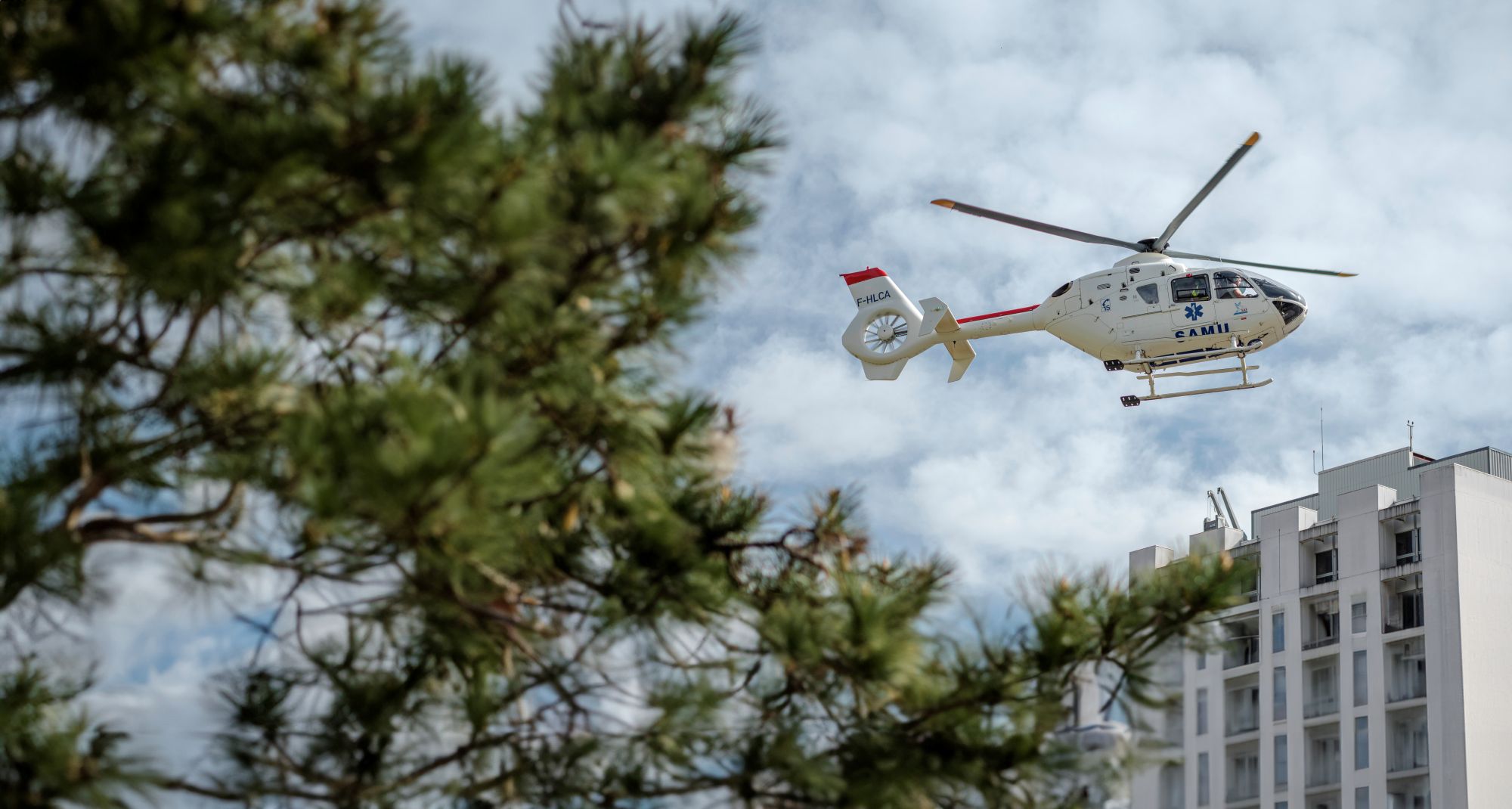
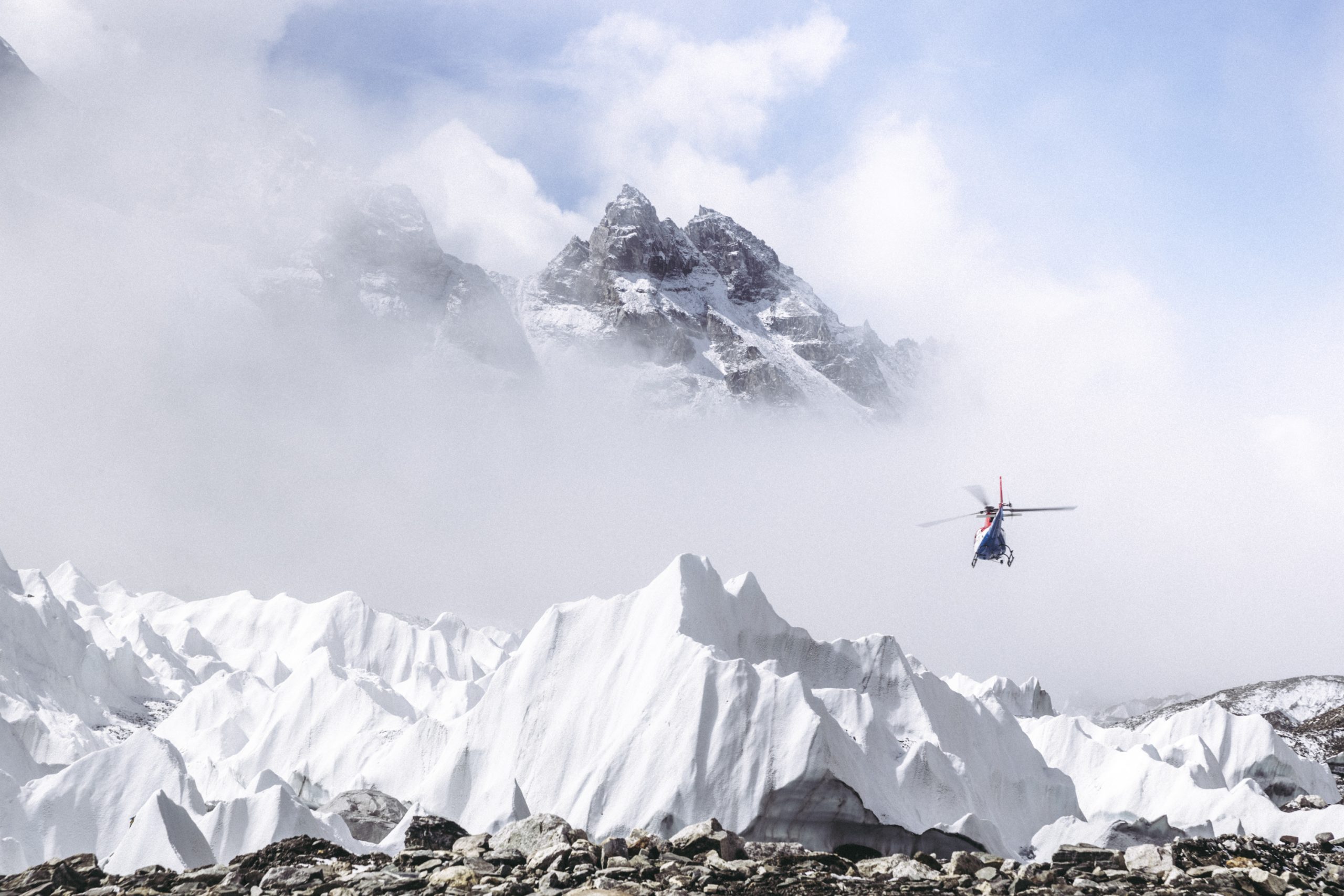
- Helicopter rescues are rising, but experts stress that preparedness, not reliance, must remain the core of mountaineering.
- Global Rescue offers a High-Altitude Evacuation Package for climbers above 15,000 feet, providing critical support worldwide.
As summer gives way to autumn, mountain climbers across the globe gear up for one of the most reliable and rewarding climbing seasons. Between September and November, several of the world’s most iconic and adventurous peaks become prime targets for mountaineers — from seasoned alpinists to ambitious trekkers testing their limits.
“High-altitude outdoor activity worldwide is reaching unprecedented heights of participation,” says Ed Viesturs, the only American to summit all 14 of the world’s 8,000-meter peaks without supplemental oxygen. And fall, with its relatively stable weather and thinning crowds, offers the perfect window for those seeking adventure above the clouds.
Kilimanjaro and Aconcagua Are Classics Climbs
The autumn climbing season welcomes mountaineers to a variety of peaks, each offering unique challenges and rewards. Here are the standouts:
- Kilimanjaro (Tanzania) – Despite its height (19,341 feet), Kilimanjaro is often considered the most accessible of the world’s high-altitude climbs. Its well-trodden routes and non-technical paths make it a favorite among first-time high-altitude trekkers. Autumn offers dry weather and clear skies, ideal for summit success.
- Aconcagua (Argentina) – A premier peak for training at altitude, Aconcagua (22,837 feet) is often described by expedition leader Lukas Furtenbach as a “perfect training playground to learn how to manage yourself on the mountain.” Though non-technical via the usual route, it remains a physically grueling endeavor.
Manaslu, Island Peak and Lenin Peak Offer Challenges
- Manaslu (Nepal) – The eighth-highest mountain in the world (26,781 feet) is one of Nepal’s most popular peaks for autumn expeditions. While more technical than Kilimanjaro, Manaslu draws climbers seeking high-altitude experience without Everest-sized crowds. Fall provides cold but relatively stable conditions.
- Island Peak and Lobuche Peak (Nepal) – These peaks, both topping 20,000 feet, are favorites for those preparing for higher Himalayan climbs. Island Peak is more technically challenging with glacier crossings and fixed lines, while Lobuche offers stunning views of Everest and Lhotse without the congestion of the more popular trails.
- Lenin Peak (Kyrgyzstan/Tajikistan) – A popular peak in Central Asia, Lenin Peak (23,406 feet) is known for its wide glaciated slopes and relative accessibility for a peak of its size. Autumn expeditions require careful planning around early snowfalls, but the rewards are vast — both in solitude and scenery.
Climbing in Autumn Means Fewer Crowds, Same Risks
Autumn typically provides a sweet spot between the monsoon season and winter storms, especially in the Himalayan and Andean regions. Skies are clearer, temperatures are cold but stable and summit winds are often lower compared to spring or summer attempts.
Weather patterns can still shift quickly, however. Checking detailed forecasts, obtaining permits in advance and booking qualified guides are essential for a successful expedition. Many fall climbing routes also require advance notice for travel logistics, particularly in remote locations.
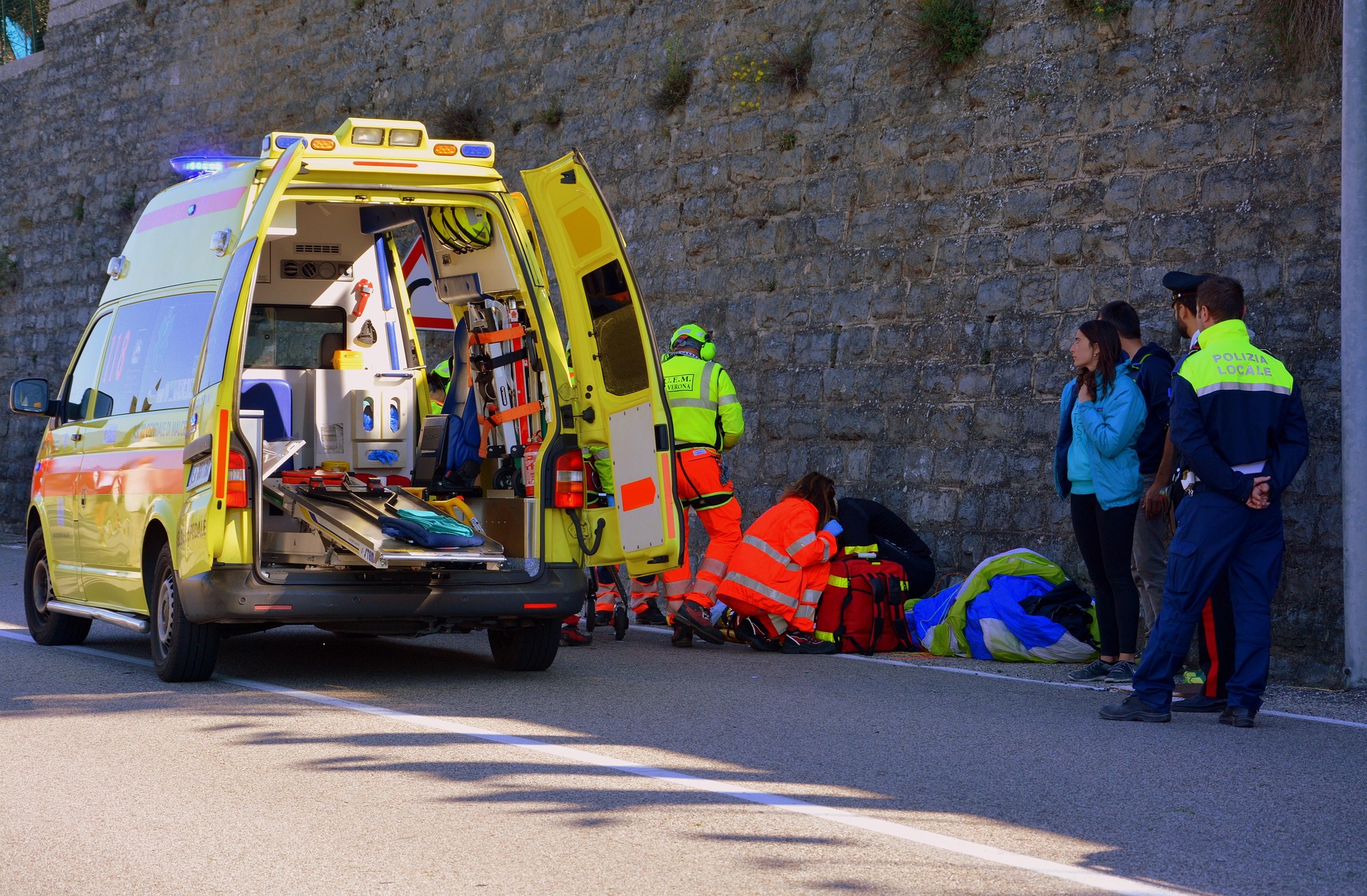
Climbing at altitude is more than a physical challenge, it’s a physiological gamble if approached recklessly. “Ignoring early signs of altitude sickness is the biggest mistake climbers make,” says Dan Stretch, senior operations specialist at Global Rescue. Symptoms like headaches, nausea and fatigue may seem minor but can rapidly escalate.
Alan Arnette, a well-known Everest chronicler, warns”Climbers are often told their rescue insurance will cover evacuation, but this can lead to a false sense of security. The reality is, being unprepared can be fatal.”
The physical effects of altitude, such as High-Altitude Pulmonary Edema (HAPE) or High-Altitude Cerebral Edema (HACE), can strike even fit climbers. Viesturs points out that “people often underestimate the endurance required and the toll elevation takes.”
With increasing accessibility and commercial support on mountains like Everest, more climbers are relying on helicopter evacuations for issues that experienced mountaineers consider preventable.
“Rescue services should support preparedness, not replace it,” warns Arnette. Lukas Furtenbach echoes this concern, noting that more climbers treat emergency rescue as a fallback plan rather than a last resort.
Mountaineering purists argue that this shift undermines the core values of the sport — self-reliance, planning and mutual accountability on the mountain.
Preparation Is the Summit
A successful mountaineering experience isn’t defined solely by reaching the top. Ed Viesturs reminds us that “Getting to the top is optional. Getting down is mandatory.”
From training and gear to weather awareness and mental conditioning, thorough preparation can mean the difference between triumph and tragedy. Self-sufficiency is essential for those planning autumn climbs, especially above 15,000 feet.
The Global Rescue Connection
With mountaineering and trekking gaining popularity, Global Rescue continues to expand its services, including in-field deployments and the High-Altitude Evacuation Package. Recommended for anyone 16 years or older traveling above 15,000 feet (4,600 meters), this package provides critical emergency response coverage tailored for high-altitude environments.
Mountaineering has long been defined by the ability to reach the summit and return safely to base camp. For experienced climbers, the descent is not an afterthought; it’s the most important part of the journey. The belief that “getting to the top is optional, getting down is mandatory” remains central to the responsible climbing culture.
One Global Rescue member experienced severe respiratory symptoms at Everest Base Camp and was diagnosed with both pneumonia and HAPE. After a helicopter evacuation and treatment, she attempted to continue her expedition. Less than a month later, she required a second rescue after a fall at Camp II left her unable to walk. She was treated for acute mountain sickness, lower back trauma and dehydration.
Cases like these have sparked concern among veteran mountaineers, including Ed Viesturs, Tom Livingstone and Conrad Anker. They caution that the increasing normalization of helicopter rescues risks diluting the spirit of mountaineering, a pursuit defined by grit, endurance, self-reliance and accountability.
Alan Arnette and Gordon Janow emphasize that rescue services are a support system, not a safety net for mountaineers and trekkers to rely on blindly whether they are attempting peaks like Aconcagua, Manaslu or any other high-altitude ascents in the fall.
Get a price estimate
Estimate
$0.00
Please answer all questions for estimate.
Categories:
TravelJuly 3, 2025
Article Highlights:
- Santorini’s 2025 earthquake swarm revealed global vulnerability to surprise quakes.
- Most popular travel destinations sit along active quake zones: the Ring of Fire and Alpide Belt.
- AI and machine learning are showing promise in short-term earthquake forecasting.
- Laboratory models now link microscopic fault contact to real-world earthquake behavior.
- Global Rescue offers life-saving support and extraction services during seismic disasters.
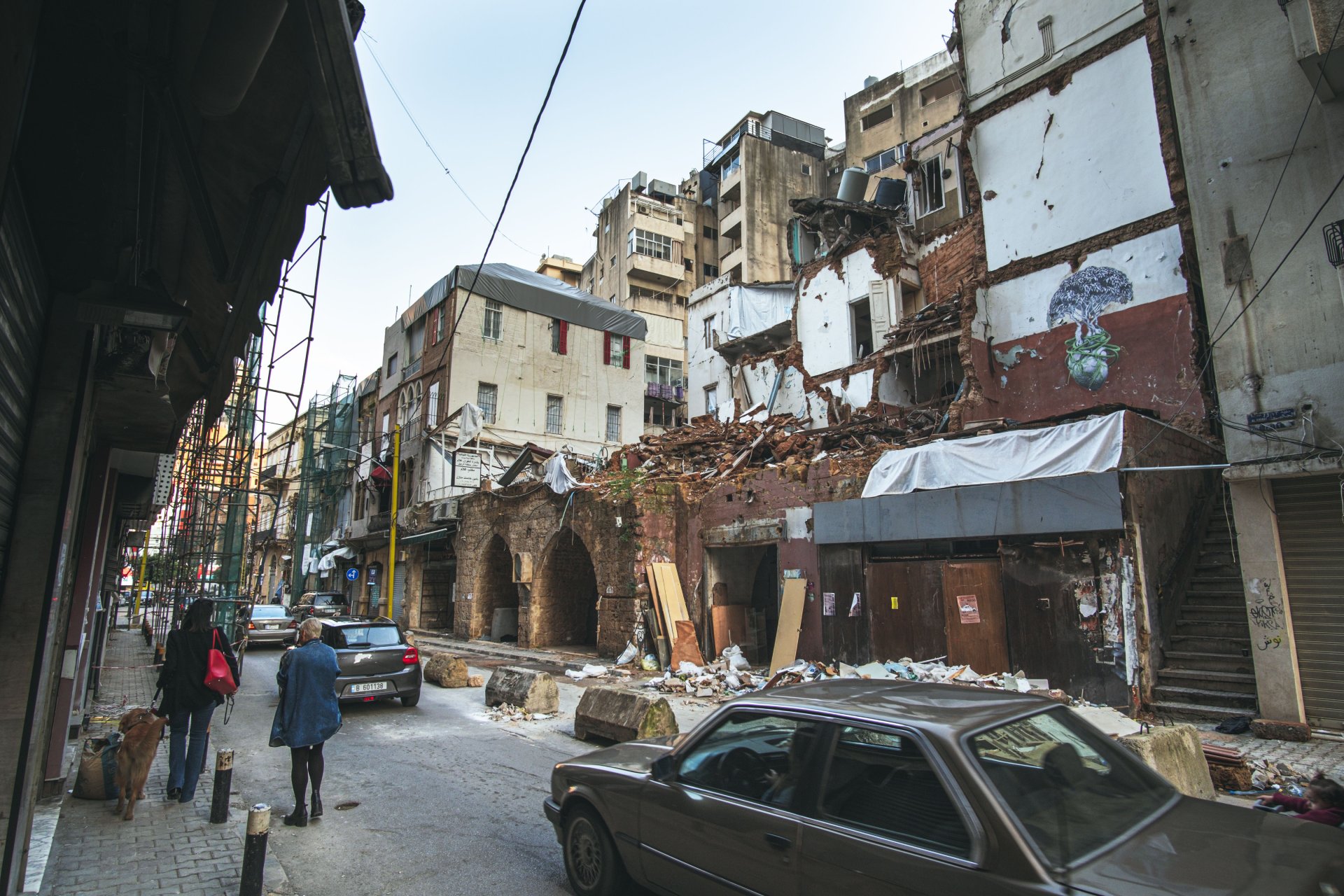
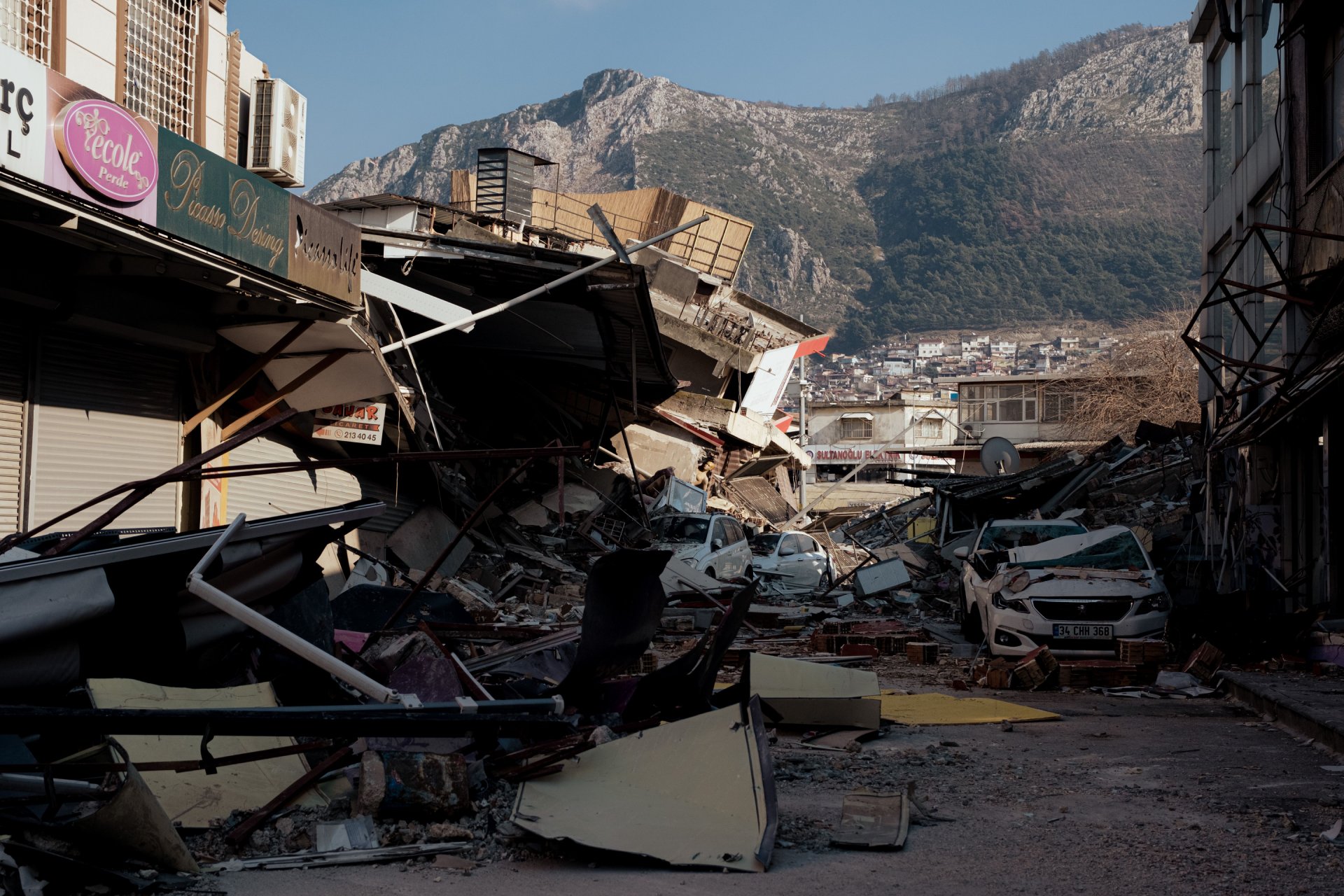
In early 2025, an intense and prolonged earthquake swarm rocked the idyllic island of Santorini, famed for its blue-domed churches and caldera views. Throughout January and February, the Greek government declared a state of emergency as the quakes continued, some surpassing magnitude 5.0. Thousands of residents and workers evacuated by ferry and air. Even seasoned seismologists described the tremor sequence as “a real puzzle,” with one admitting they had “encountered many surprises.”
While earthquakes are common in the region, which lies along the Hellenic Volcanic Arc, the unexpected strength and persistence of these tremors caught locals, scientists and travelers off guard, underscoring a growing question: are earthquakes predictable, and what should travelers know about earthquake safety?
Quakes and the Tourist Hotspots on Shaky Ground
Many of the world’s most visited tourist destinations lie within two of the most seismically active earthquake zones on the planet:
The Ring of Fire, which rims the Pacific Ocean, includes:
- Tokyo and Kyoto, Japan
- Bali, Indonesia
- Santiago, Chile
- Mexico City, Mexico
- San Francisco and Los Angeles, USA
The Alpide Belt, stretching from the Mediterranean through Asia, includes:
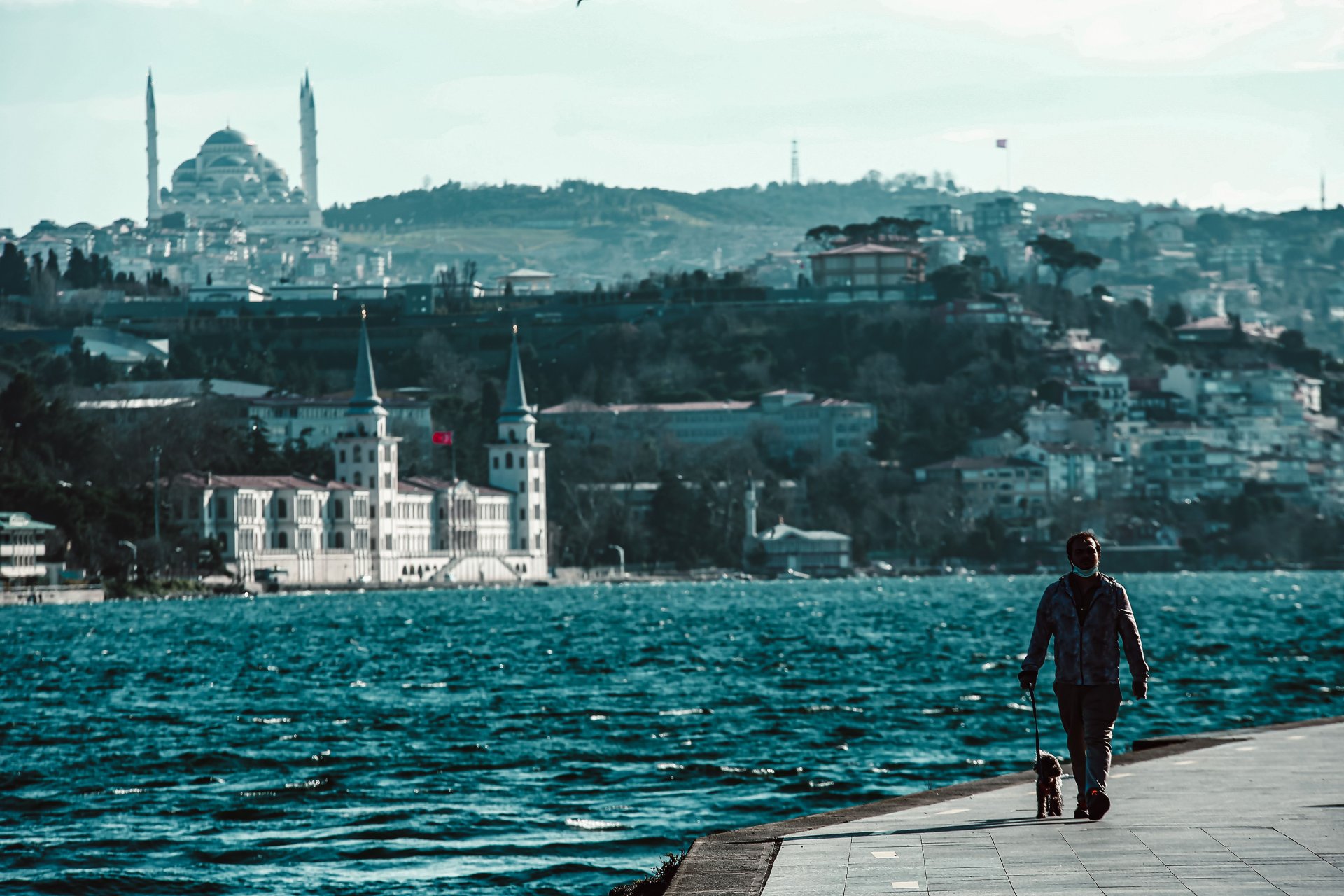
- Istanbul, Türkiye
- Athens, Greece
- Rome and Naples, Italy
- Kathmandu, Nepal
These cities combine cultural appeal with seismic vulnerability. Whether you’re exploring temples in Tokyo or hiking in the Andes, the risk of quakes, tremors and temblors is real. That doesn’t mean you shouldn’t go. It means you should go prepared.
Are Earthquakes Predictable? The Latest Science
Historically, the U.S. Geological Survey (USGS) has stated plainly that earthquakes cannot be predicted. A successful prediction must define the date, time, location, and magnitude, criteria that no method has consistently met. Recent advances in science and technology, however, are beginning to challenge the limits of what we thought possible.
In a groundbreaking 2023 study, researchers at The University of Texas at Austin used AI trained on China’s AETA seismic monitoring system to correctly predict 70% of earthquakes in a seven-month trial, up to a week in advance. The secret? It’s not new tech, but smart use of existing tools like random forests and principal component analysis applied to an exceptionally rich dataset.
While promising, this technique must still be tested outside China to confirm its broader applicability. But it represents a major shift: short-term forecasting, once deemed impossible, is now potentially within reach.
Researchers at the University of Southern California have developed a physical model using transparent acrylic materials and high-speed optical sensors to simulate real-time fault ruptures. They found that the real area of contact between fault surfaces — invisible to the eye but measurable — correlates with rupture speed and intensity.
These discoveries provide the first physical validation of earthquake behavior models that have guided seismology for decades. Monitoring real-world changes in fault conductivity or wave transmission could lead to early warnings before the ground even begins to shake.
Other Emerging Techniques
- Ionospheric Monitoring: AI is used to analyze Earth’s ionosphere changes before quakes.
- Improved Seafloor Networks: Acoustic and satellite technologies help track plate movement.
- Integrated Physics-Based Models: Combining data-driven approaches with physical simulations may unlock greater accuracy in regions lacking historical seismic data.
While none of these systems can yet predict earthquakes with certainty, they bring us closer to understanding when and where the next shaker may strike.
What To Do in an Earthquake
Even with science advancing, the best defense against earthquakes remains preparedness. Here’s what to do in an earthquake:
- Drop, cover and hold on during shaking.
- Stay indoors until the shaking stops unless you’re in a structurally unsafe building.
- Avoid elevators, windows and heavy furniture.
- Have an emergency kit with water, food, first aid, a flashlight and extra phone power.
- Know local evacuation routes and protocols.
If traveling in a quake-prone region, learn the local emergency numbers and inform your hotel staff or host of your plans.
The Global Rescue Connection
While we cannot predict or prevent natural disasters, we can take proactive steps to prepare and respond effectively. Understanding the risks, creating an emergency plan and staying informed can minimize the impact of earthquakes.
A Global Rescue membership ensures you’re not alone if you’re traveling and a natural disaster strikes. Our security operations team, comprising veteran military special forces, provides life-saving guidance, shelter-in-place advice and, if necessary, physical extraction to safety.
Global Rescue memberships are not insurance: there are no claim forms, deductibles or extra costs. Whether caught in an evacuation, injured in a quake or stranded in a high-risk area, Global Rescue is there for you when the Earth moves beneath your feet.
Categories:
Health & SafetyTravelJuly 2, 2025
Article Highlights:
- African mosquitoes, tsetse flies and sand flies can transmit deadly diseases to unprepared travelers.
- South America’s warrior wasps and bullet ants deliver agonizing stings with dangerous aftereffects.
- Australia’s bull ants, Jack Jumper ants and raspy crickets pose pain and allergy risks in the wild.
- Japan’s giant hornet and UK bees can cause anaphylaxis, especially in allergic individuals.
- Global Rescue offers expert guidance and emergency evacuation for insect-related injuries worldwide.
While breathtaking views and thrilling adventures draw travelers worldwide, some of the greatest dangers lie in the tiniest creatures. Insect bites, often overlooked, can lead to serious illness, agonizing pain or life-threatening allergic reactions. Whether trekking through the Amazon or hiking in the highlands, here’s what international travelers should know before entering high-risk zones.
Kissing Bugs and Other African Insect Biters
In sub-Saharan Africa, insects are more than a nuisance, they’re disease vectors with global reputations. Triatomine bugs, commonly known as kissing bugs, can also be found in parts of Africa. Though more associated with Latin America, these insects carry parasites that cause Chagas disease, leading to chronic heart and digestive issues. African mosquitoes are infamous for spreading malaria, dengue and yellow fever. These diseases can be fatal without proper medical care.
“To minimize the chance of mosquito bites, wear long-sleeved shirts, long pants and socks; use EPA-registered insect repellent; and cover sleeping areas with mosquito nettings,” said David Koo, associate director of operations at Global Rescue.
Tsetse flies are aggressive daytime biters that transmit sleeping sickness (trypanosomiasis), a parasitic disease that affects the central nervous system and can be fatal if untreated. Sand flies are smaller but equally dangerous. Their bites can lead to leishmaniasis, a disease that causes skin sores or affects internal organs.
Warrior Wasps and Bullet Ants of South America
In the jungles of South America, some insect encounters are remembered not for what they transmit, but for the pain they cause. The warrior wasp is one of the continent’s most feared insects, delivering multiple stings with intense, radiating pain and swelling. Worse still is the bullet ant, considered to have the most painful insect sting in the world. Victims describe it as a deep, electrifying burn that can last 24 hours or more, potentially causing nausea, shaking and loss of coordination. While neither sting is typically fatal, being stung far from medical care can turn a painful inconvenience into a serious emergency.
Raspy Cricket and the Jack Jumper Ant of Australia
Australia’s insect population proves that a small size doesn’t equal a minor threat. Bull ants, with their large mandibles and venomous stings, are known for their aggression. Some species chase intruders for long distances if they feel threatened. The Jack Jumper ant is one of the only ant species known to cause human fatalities. Its sting can trigger anaphylaxis, a life-threatening allergic reaction, particularly in sensitive individuals. Even the raspy cricket, while not venomous, has been known to deliver painful bites and is a growing concern in outdoor encounters. Hikers and campers should always be cautious, carry antihistamines and avoid disturbing nests or colonies.
The Giant Hornet of Japan, aka “Murder Hornet”
Japan’s giant hornet — also dubbed the “murder hornet” in headlines — is a terrifying two-inch predator whose sting delivers neurotoxins and cytotoxins. Multiple stings can lead to organ failure, especially in those with allergies or compromised immune systems. Though it rarely targets humans unprovoked, disturbing a nest during outdoor activities like hiking can trigger a swarm. Travelers to rural areas in Japan during late summer and early fall, when hornets are most active, should take extra precautions and avoid areas with visible insect nests.
The Bee of Britain
While the UK isn’t known for deadly insects, bees can still pose serious risks — particularly to travelers with allergies. “It is rare, but some people are extra sensitive to bee stings. Suppose you know you are at risk for anaphylaxis from a sting. In that case, you should carry your prescribed epinephrine auto-injector with you anytime you go outdoors during spring, summer or fall,” said Jeff Weinstein, a paramedic and medical operations supervisor at Global Rescue.
Weinstein also recommends hikers pack antihistamines. “If you get stung and start to become itchy or have some hives appear, you can take some and mitigate your body’s histamine response.”
The Global Rescue Connection
Some insect bites and stings are mere annoyances. Others can escalate into serious medical emergencies. Recognizing early signs like spreading redness, shortness of breath, dizziness or hives can mean the difference between a quick recovery and a life-threatening situation.
If you’re unsure whether a bite is dangerous, Global Rescue’s medical operations team is available 24/7 to assess your symptoms and guide your next steps. Getting help early can be the difference between a fast recovery and an evacuation scenario.
Whether navigating mosquito-rich rainforests or ant-filled deserts, preparedness is key, but backup is better. A Global Rescue membership gives you the protection and support you need when insect encounters take a serious turn.
Your membership includes emergency field rescue, medical evacuation, travel health advisory, destination intelligence, event alerts and — for eligible plans — virtual healthcare and security services. If you’re bitten or stung and feel unsure, contact Global Rescue immediately at operations@globalrescue.com or +1 (617) 459-4200. In life-threatening emergencies, contact local emergency services (911, 112, 999) first.
Categories:
Places & PartnersTravelJuly 1, 2025
Article Highlights:
- Explore the best surf destinations in the world by continent, with details on waves, culture and travel logistics.
- Get essential safety tips and insights on local customs, language barriers and political stability at top surfing locations.
- Discover what to eat, where to explore and how to stay healthy beyond the lineup in the best countries for surfing.
- Learn from real Global Rescue case studies involving serious injuries in Costa Rica and Indonesia during surf trips.
- Understand how Global Rescue goes beyond traditional travel insurance with evacuation, field rescue and emergency coordination.
Winter may bring snow to much of the northern hemisphere, but it’s prime time for surfers to chase the best surfing in the world. Whether barreling reef breaks in Indonesia or point breaks in Morocco, the colder season delivers epic swells across multiple continents. But the journey to the best surf destinations in the world goes beyond just the waves. It includes cultural etiquette, local food, safety risks and even access to medical care when things go wrong. Check out the best places to surf this winter, and what you should know before paddling out.
North America
Oahu (North Shore), Hawaii, US: This iconic coastline is one of the best surfing areas on the planet. From November to February, spots like Pipeline and Sunset Beach host world-class competitions and massive waves. While English is widely spoken and medical care is excellent, respect for surf hierarchy and local customs is crucial. Beyond surfing, explore Diamond Head, hike tropical trails and savor local dishes like poke and loco moco. Tap water is safe and nightlife is low-key outside Honolulu.
Puerto Escondido, Mexico: Known as the “Mexican Pipeline,” this Pacific gem offers one of the best surf spots in the world for experienced riders. Winter brings dry weather and punchy beach breaks. Spanish is spoken everywhere; bring some language basics. Local food includes tamales, tlayudas and fresh seafood, but skip the tap water. Visit bioluminescent lagoons or the cobblestone streets of Oaxaca. Crime is generally petty, but political protests and limited rural healthcare are concerns.
Santa Teresa & Pavones, Costa Rica: Costa Rica is one of the best countries for surfing, especially in winter. Pavones boasts one of the world’s longest left surf breaks. English is spoken in surf hubs, Spanish elsewhere. Surf, then hike through the rainforest or take yoga on the beach. Food is delicious but straightforward — casados and gallo pinto are staples. Tap water is generally safe in towns. One Global Rescue member sustained a hangman’s fracture during a surf lesson and was air-evacuated to the US, underscoring the importance of prepared emergency plans.
Bocas del Toro, Panama: This Caribbean Island group features a mix of reef and beach breaks. While not as famous as others, it’s one of Central America’s most scenic best surf locations. Spanish is primary, but English is common in tourism. Water is unsafe to drink. Activities include snorkeling, boat taxis to hidden beaches and nightlife in Bocas Town. Healthcare is limited; severe cases require evacuation.
South America and Africa
Lobitos, Peru: This desert surf town offers powerful left-hand waves with minimal crowds. It’s one of South America’s best surf locations for adventure-seeking surfers. Spanish dominates and English is rarely spoken. Tap water is unsafe. Don’t miss the archaeological ruins and seafood ceviche. Clinics are basic; major emergencies require travel to Lima or Piura.
Taghazout, Morocco: Taghazout has become one of the best places to surf in the world during winter. Right-hand point breaks and warm weather attract European and North American surfers. Arabic and French are the primary languages and English is emerging in tourist zones. Tap water isn’t safe. Moroccan tagines, couscous and mint tea fill the local menus. Explore nearby Agadir, hike the Atlas Mountains and tour local souks. Respect local Islamic customs: dress modestly and avoid public displays of affection. Clinics are improving, but advanced care requires transport to Casablanca or Marrakesh.
Europe
Fuerteventura, Canary Islands, Spain: With year-round surf and consistent winter swells, this is one of the best surf destinations in the world for European travelers. Spanish is official, but English is widely spoken. Tap water is treated. Food features island specialties like wrinkled potatoes and fresh grilled fish. Rent a car to explore volcanic terrain. Healthcare access is strong and safety risks are minimal.
Hossegor, France: A winter favorite for hardcore European surfers, Hossegor’s heavy beach breaks continue to fire well into the off-season. French is spoken widely, with some English. Tap water is safe. Visit Bordeaux wine country, enjoy fresh baguettes and explore Basque surf towns. Healthcare is among the best in Europe and safety concerns are rare.
Bundoran, Ireland: Cold-water surfers know Bundoran as one of the best surf locations in the world for reef breaks. Bring your thickest wetsuit — winter surf here is frigid but rewarding. English is spoken. Tap water is safe. Food is hearty — think stews and freshly baked bread. Live music fills coastal pubs and the countryside has castles and hiking trails. Healthcare is solid, but local response times may be slower in remote areas.

Asia
Bali, Indonesia: A consistent favorite for winter surf travelers, Bali offers some of the best surfing destinations in Asia. While the dry season is at its peak, winter still brings solid waves. English is spoken in surf zones, Bahasa Indonesia and elsewhere. Tap water is not safe. The island offers temples, rice fields and top-tier vegan and traditional Indonesian cuisine. Uluwatu’s cliffside views are iconic. Medical care varies. Stick to trusted hospitals in Denpasar. Surfing injuries are common. Be cautious on reefs and with scooters.
Mentawai Islands, Indonesia: Among the best surf spots in the world, the Mentawais cater to advanced surfers via liveaboards or boat access. Language barriers exist and medical care is minimal. One US surfer was struck in the eye by his board and needed surgery. Global Rescue coordinated a speedboat and hospital transfer to Padang, Indonesia. The islands offer isolation, crystal-clear water and incredible surf, but you must be self-sufficient and well-prepared.
Oceania
Gold Coast, Australia: The Gold Coast is consistently ranked among the best surfing in the world for its year-round waves and surf culture. Winter (June–August) brings excellent swells with less crowding. English is spoken, tap water is safe and the local cuisine ranges from fish and chips to gourmet coastal dining. Explore nearby national parks or Brisbane’s music scene. Health care is excellent and risk is minimal, aside from sunburn and occasional rips.
Raglan, New Zealand: Raglan is a soulful surf town with long, powerful left-handers. It’s one of the best places to surf in the Southern Hemisphere winter. English is spoken and medical facilities are accessible in Hamilton. Tap water is safe. Raglan mixes art galleries, hiking and a peaceful café culture. Rent a car and explore Hobbiton or Waitomo Caves.
Tavarua Island, Fiji: Tavarua offers exclusive access to Cloudbreak, one of the best surf spots in the world. Resorts provide medical basics, but serious emergencies require evacuation to Nadi or Australia. English is spoken. Tap water varies, so stick to bottled. Fijian culture emphasizes respect and kindness. Participate in kava ceremonies, fish the coral reefs, or enjoy five-star amenities between swells.
The Global Rescue Connection
The best surfing destinations in the world also offer more than just perfect waves. But danger can strike without warning, even in stunning surf locations. Whether a reef break in Indonesia or a beach break in Costa Rica, a dream surf trip can quickly become a medical emergency.
Take, for example, a US traveler taking a surf lesson in Costa Rica. During the session, he fell and landed headfirst in the sand, experiencing immediate and severe neck and head pain. He was rushed to a nearby hospital by local authorities and diagnosed with a hangman’s fracture — a bilateral fracture of the cervical vertebrae (C2 and C3). After being deemed stable for air transport, Global Rescue coordinated his medical evacuation from San Rafael, Costa Rica, to a specialty trauma center in Colorado, where he received the advanced care necessary for his recovery.
In another case, a US member surfing in the remote Mentawai Islands of Indonesia suffered a serious eye injury when he was struck in the face by his board. A friend contacted Global Rescue, reporting that the surfer’s eye was lacerated and embedded with a foreign object. After undergoing emergency surgery at a local clinic, his condition required further treatment at a more advanced hospital. Global Rescue coordinated a private speedboat transfer from the Mentawai Islands to Padang, Indonesia, where he received successful follow-up surgery and was later cleared to return home to Maine.
These two rescues are more than isolated events. They reflect the very real risks that even experienced surfers face in some of the best surf spots in the world. From spinal trauma to facial injuries, quick access to qualified care can make all the difference.
That’s why a Global Rescue membership is essential for surf travelers. With services like field rescue, medical evacuation and 24/7 operations support, Global Rescue steps in when traditional travel insurance falls short. There are no claim forms, co-pays, or deductibles — just immediate help when and where you need it most.
Unlike traditional insurance, which only responds after a crisis, Global Rescue actively coordinates your emergency response from the first call to final treatment. Whether you’re surfing the remote jungles of Mentawai or catching a reef break off Fiji, having expert medical and evacuation support ensures that help is always within reach. In a world where the line between adventure and emergency can blur instantly, Global Rescue provides the lifeline that makes global surf travel safer.
Categories:
NewsJune 28, 2025
Categories:
Missions & Member TestimonialsJune 27, 2025
Article Highlights:
- Real-Life SOS Rescue Stories: A motorcyclist injured after hitting a kangaroo in Australia, a hiker suffers a head injury in Canadian backcountry and a skier in a remote area of Colorado who was unable to ski out after a serious leg injury – all are rescued thanks to emergency satellite communication devices was used to contact Global Rescue for help.
- Critical SOS Actions: Know how to use your device’s SOS function and make sure Global Rescue has your contact details — helping to ensure fast, effective help during an emergency.
- Preparation Is Key: Understanding how to operate satellite communication devices in an emergency can be lifesaving during remote activities.
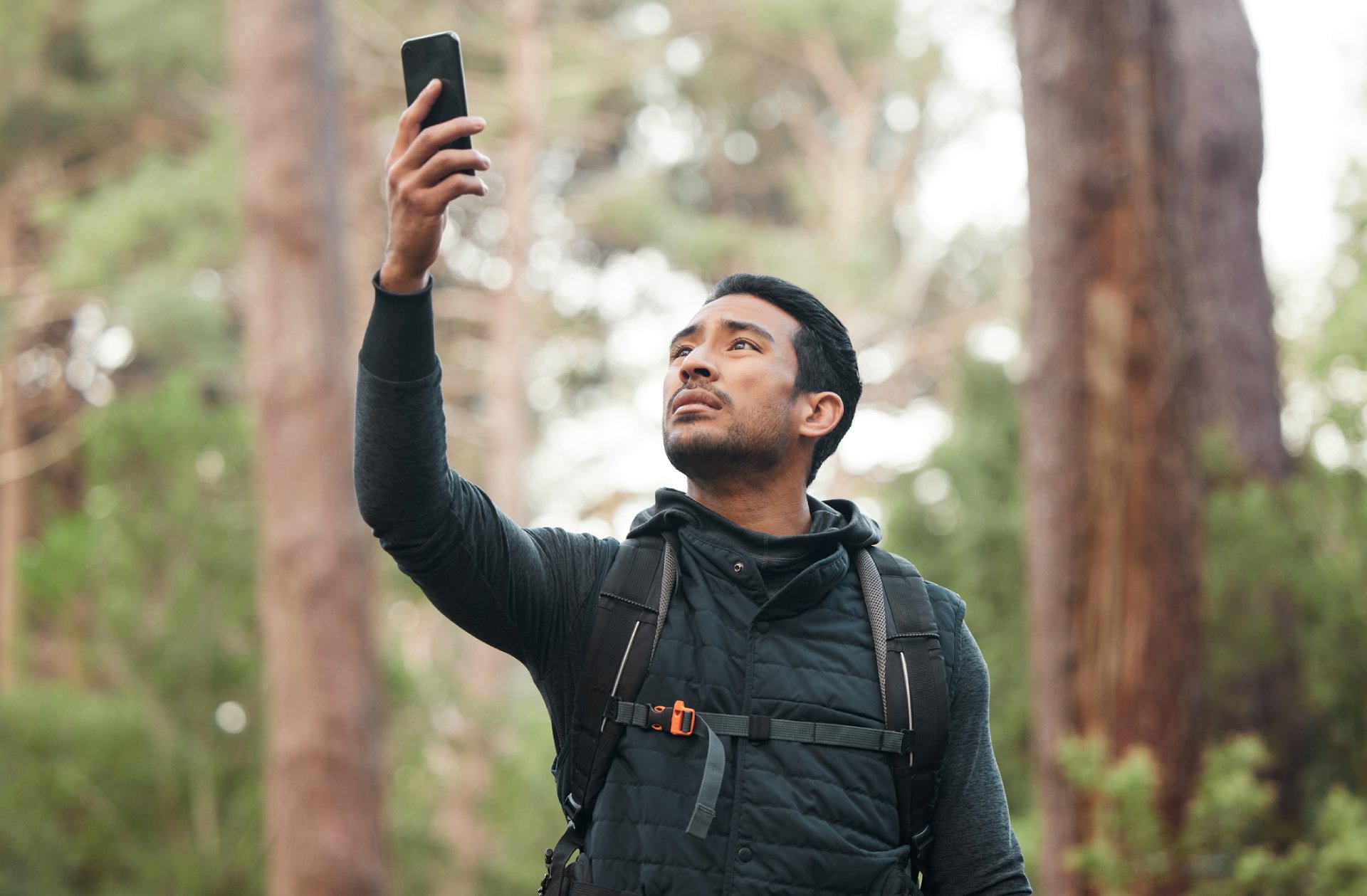
You’re heading out on an adventure, maybe to a place with spotty cell coverage or deep into the wilderness. You’ve brought a satellite phone or messaging device for peace of mind. But having the right gear is only part of the equation. Knowing how to use it in an emergency can be critical, even lifesaving.
Global Rescue responds to hundreds of SOS alerts each month for medical and security emergencies. Here are a few recent examples from missions around the world.
Kangaroo Motorcycle Collision in Australia
A 59-year-old member from Australia suffered serious head and neck injuries after colliding with a kangaroo while riding a motorcycle near Ouyen, Victoria. His brother sent an SOS via his satellite communications device. Global Rescue coordinated with first responders, who confirmed a complex rescue mission was underway.
Head Injury in Remote British Columbia
A Canadian member sustained a serious head injury during a group trek near Duncan, British Columbia. He was reportedly having trouble breathing but showed no visible bleeding. A companion started CPR while another contacted 911 without exact coordinates. A fellow hiker sent an SOS notification using a satellite communications device and relayed GPS details to the Global Rescue, who coordinated with local emergency responders to launch a rescue and transferred the member to a medical team.
Ski Injury in the Colorado Rockies
A US member injured her knee — possibly an ACL tear — while skiing at 12,625 feet/3,846 meters in Colorado. Her husband activated their satellite communications device and sent an SOS alert reporting her condition to Global Rescue. Local search and rescue teams were dispatched and reached the injured member shortly after, transporting her safely off the mountain.
Stroke in the Australian Outback
An Australian member experienced stroke symptoms while in a remote area. A companion sent an SOS alert to Global Rescue using their satellite communications device. Global Rescue contacted first responders, who dispatched an ambulance. Emergency medical support arrived and began treatment and transport of the member.

Teens Injured After ATV Crash
A Canadian teenage member was injured following an ATV accident near Falkland, British Columbia. She was found 15 feet off the road with possible leg fractures. Another girl involved in the crash had signs of a possible concussion. A companion sent an SOS alert using a satellite communications device to Global Rescue, who coordinated with first responders to dispatch a search and rescue team to the location.
Flooded Road Rescue in the US
A US member activated his SOS satellite device after becoming stranded in his vehicle near Fair Grove, Missouri. Rising floodwaters had submerged the roadway, rendering his vehicle inoperable. Although uninjured, the member reported that he could not exit the car safely. Global Rescue confirmed his position and coordinated with local emergency responders, who arrived and confirmed the member had been safely rescued.
Fractured Leg in Yukon
A Canadian member was reported to have sustained a potential broken leg while hiking in Burwash Landing, Yukon. A SOS satellite communications device user sent an SOS to Global Rescue who relayed the coordinates to first responders. A helicopter was dispatched, and the injured member was transferred to a medical center via ambulance after an airborne rescue.
Lost in an Australian Forest
An Australian member got lost hiking the Great North Walk near The Basin Campground in Olney State Forest, New South Wales. Although he was not injured, he sent an SOS satellite alert to Global Rescue using his satellite communications device and confirmed he was alone and lost. Global Rescue contacted first responders who managed the member’s safe return.
Knee Injury in Alberta
A Canadian member activated his SOS satellite communications device following a motorcycle accident that resulted in a severe knee injury. He remained conscious and coherent, with no visible bleeding or head trauma. Emergency services were notified and confirmed they would dispatch an ambulance. A short time later, the member reported that paramedics had arrived and he was being transferred to a hospital.
[Related Reading: How To Send an SOS: Two-way Communication Success]
How To Send an SOS to Global Rescue
SOS device users should review the instructions regarding their device’s SOS features and procedures. Understand who receives the SOS message signal when it’s sent and what services the SOS monitoring provider offers. Contacting Global Rescue directly at +1 (617) 459-4200 or through a messaging device at ops@globalrescue.com or operations@globalrescue.com is the most straightforward way of obtaining service.
Categories:
TravelJune 26, 2025
Article Highlights:
- 94% of fishing travelers took a trip in 2024, with 85% fishing in North America and 36% venturing to South America.
- Adventure activities and landscapes are the top motivators for destination choice among anglers.
- Nearly half of respondents fear illness or injury abroad more than crime, unrest or war.
- Global Rescue provided lifesaving medical evacuations for anglers in Costa Rica, the Bahamas and Canada.
- 74% of anglers use trusted traveler programs, and over half rely on translation tools while fishing internationally.
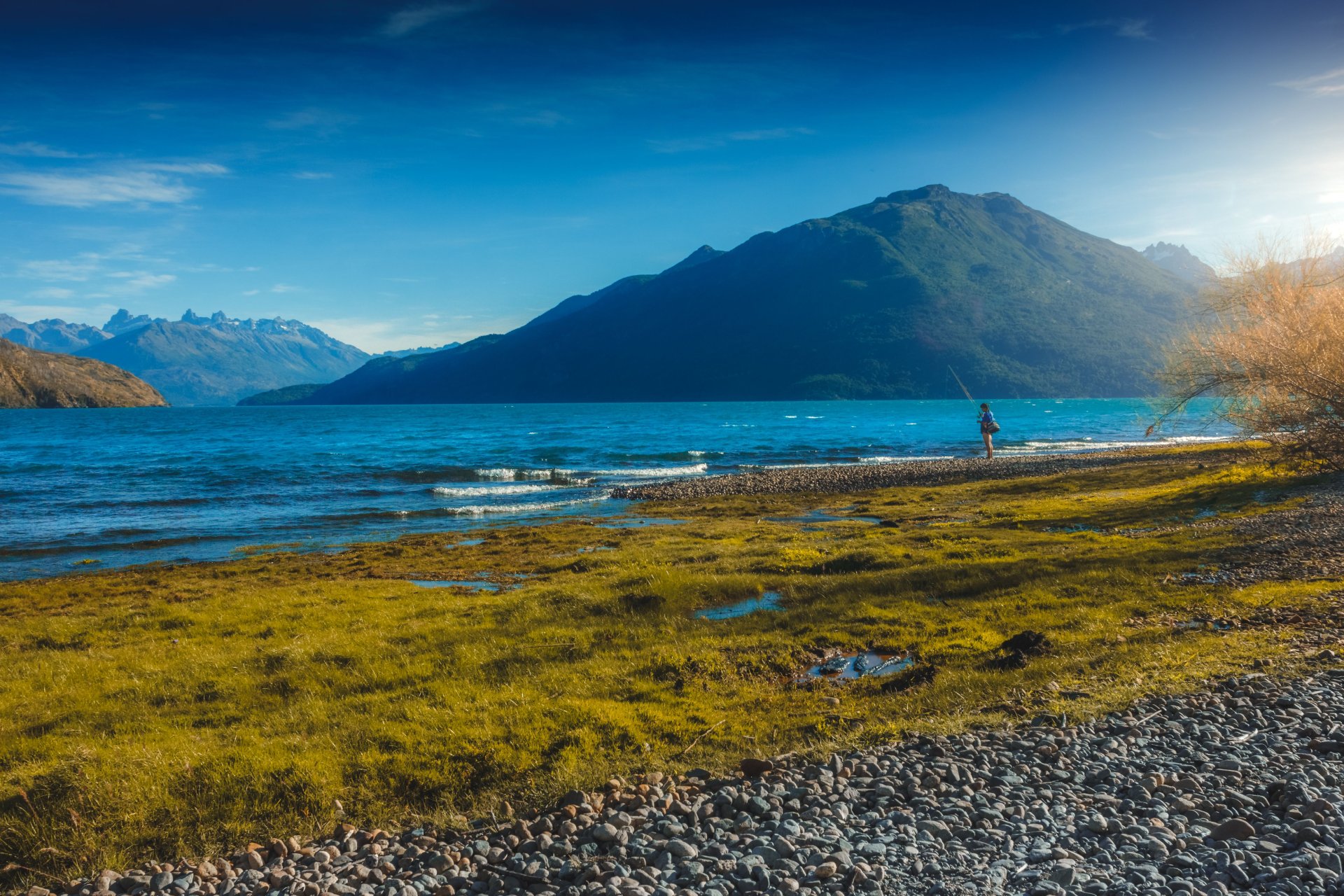
For people who fish, travel is more than a getaway — it’s a purposeful pursuit of nature, solitude and sport. According to the Global Rescue Travel Safety and Sentiment Survey, fishing travelers are among the traveling public’s most passionate, prepared and adventure-seeking segments. Whether wading through highland streams in Montana or casting into the surf in West Africa, anglers are rewriting what it means to be a global explorer.
Fishing Drives Global Travel
A staggering 85% of fishing travelers reported fishing in North America, but that’s just the beginning. These travelers are expanding their adventures abroad, with 36% fishing in South America, 17% in Africa and 17% in the South Pacific. A notable 14% fish in Europe and 7% in Asia. This broad geographic spread shows how fishing is a gateway to global discovery, and a powerful motivator for international travel.
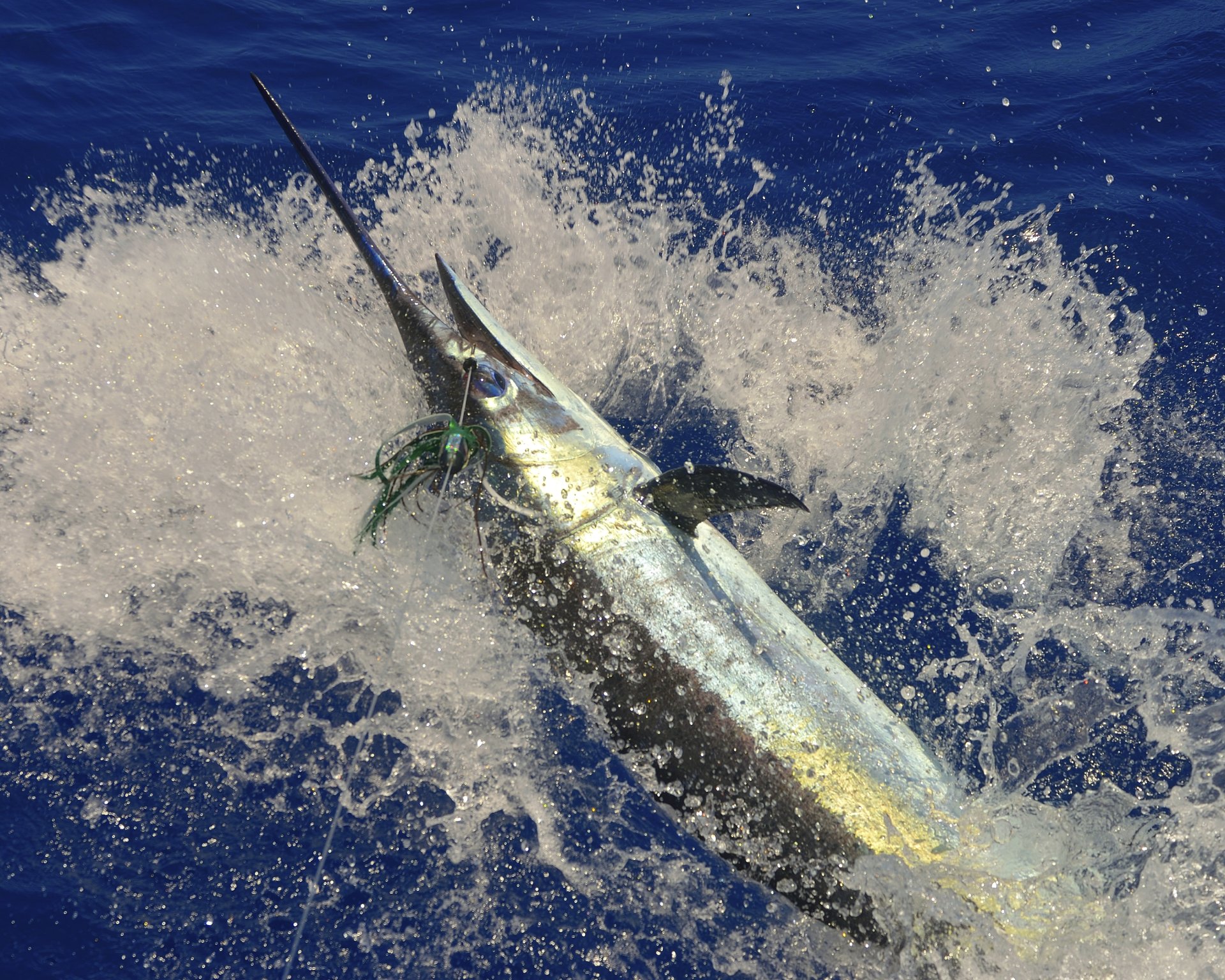
The type of fishing also spans a wide range of skill sets and environments. Fly fishing is the most popular (64%), followed by deep sea fishing (45%), angling (43%) and shore/surf casting (30%). A smaller but dedicated group (7%) engages in ice fishing. This diversity suggests that fishing travelers seek technical challenges and novel environments, often tailoring trips around specific water conditions and fish species.
Fishing Experience Tops Material Possessions
The survey reveals that for anglers, experiences matter more than material goods. Roughly 76% of respondents said that travel experiences are more important than possessions and that attitude aligns with the ethos of fishing: immersion, patience and memory-making over consumerism.
Unsurprisingly, 94% of fishing travelers took a trip in 2024. Moreover, 51% said travel is a priority now than pre-pandemic. This group isn’t just bouncing back, they’re charging ahead, reshaping post-pandemic travel norms with a distinct sense of purpose.
Despite global inflation and economic uncertainty, fishing travelers remain committed. Just 16% of respondents said they canceled or postponed travel due to inflation. The vast majority, 79%, kept their international plans intact. For them, fishing is not merely a hobby. It’s an essential part of life, worth the cost.
Angling, Deep Sea Fishing and Ice Fishing Have Risks
When asked about the biggest disruption concern during international travel, nearly half (46%) cited “having an injury or illness” as their top fear. By contrast, only 2% worried about being robbed and just 4% feared war. This concern likely stems from fishing in remote or rugged areas where medical help may be far away. It also underscores why organizations like Global Rescue matter. Anglers need contingency plans when adventure takes them off the beaten path.
Global Rescue has responded to numerous medical emergencies involving fishing travelers, offering lifesaving coordination, transport and support:
- Costa Rica: When Johnnie Odum suffered multiple heart-related episodes en route to a father-son fishing trip, Global Rescue deployed a paramedic to his bedside in Costa Rica. After a successful emergency pacemaker procedure, he was medically escorted back to Texas, with continuous monitoring throughout the journey. Odum later described the support as reassuring and essential.
- Bahamas: Conservationist and angler Jonathan Olch fell ill with respiratory complications during a remote fishing trip. Global Rescue helped locate a nearby clinic, ensured Olch received urgent care and stayed in touch until he returned home. He was later diagnosed with pneumonia and a parasite infection. Olch credits Global Rescue’s quick action with preventing a much worse outcome.
- Canada: William Mitchell, en route to a steelhead trip in British Columbia, collapsed from a heart attack in the Vancouver airport. After being stabilized, he contacted Global Rescue. The team reviewed his condition, arranged an aeromedical evacuation to California, and coordinated his immediate treatment with a cardiac specialist. Mitchell later called the experience “outstanding” and urged fellow anglers to get covered.

Security and International Fishing
Fishing travelers show a high level of situational awareness regarding travel risk. Nearly 70% said they would obtain additional security extraction travel protection depending on proximity to war zones or unrest. Another 16% said they’d get this coverage regardless of destination.
When asked what US State Department travel advisory level would prompt them to obtain security extraction services, 38% chose “Reconsider Travel” or “Avoid Non-Essential Travel,” and another 33% said “Exercise Increased Caution.” This suggests that fishing travelers are risk-aware but not risk-averse. They are willing to explore challenging environments, but take proactive steps to ensure they can get out safely if needed.
Fishing and Technology Tools
Over half (54%) of respondents said they use translation apps to translate conversations and respond. Satellite communications are another area of interest. While only 10% currently own a satellite-enabled smartphone, 37% plan to get one. This aligns with the remote nature of many fishing destinations. Anglers are increasingly interested in being able to call for help or get location updates, even when cell towers are far behind.
Only 11% of respondents used AI for trip planning in 2024. However, nearly 90% of those who did found it helpful. Most used it for basic research or itinerary suggestions. Fishing travelers remain largely human-led in their planning, preferring word of mouth, specialized outfitters and guidebooks. But this may shift as AI becomes more attuned to niche adventure travel like fishing.
Fishing Travel Pitfalls and Perks
The biggest travel mistake reported by the fishing community was overpacking, cited by 34% of respondents. That’s understandable for anglers. Packing rods, waders, boots and gear can easily snowball. An overly ambitious itinerary was the next most common mistake (15%), followed by booking connecting flights instead of nonstop (13%). These insights reflect the logistical complexity of fishing travel and the learning curve involved in streamlining gear and planning.
Fishing travelers value efficiency. More than 7 out of 10 were already members of a trusted traveler program like TSA PreCheck or Global Entry and enrolled to speed up security screenings and expedite customs.
The Global Rescue Connection
The data paints a vivid picture of today’s fishing traveler: passionate, purposeful and prepared. They travel far, think ahead and prioritize experience over luxury. With these experiences come risks, however, both from nature and political instability.
Bites, stings, lacerations and rashes are minor issues that could become serious if not examined and treated. Heat stroke, heart attack and back injuries are potential emergencies facing anglers, too. Understanding the dangers and taking precautions can ensure that fishing adventures remain enjoyable and safe.
Fishing, in all its forms, offers an exciting and rewarding challenge, and anglers have no shortage of destinations to explore. And when the unexpected happens — whether it’s a heart attack in Canada, respiratory distress in the Bahamas or a cardiac emergency in Costa Rica — they’re not alone. Global Rescue ensures that help is only a call away wherever anglers go.
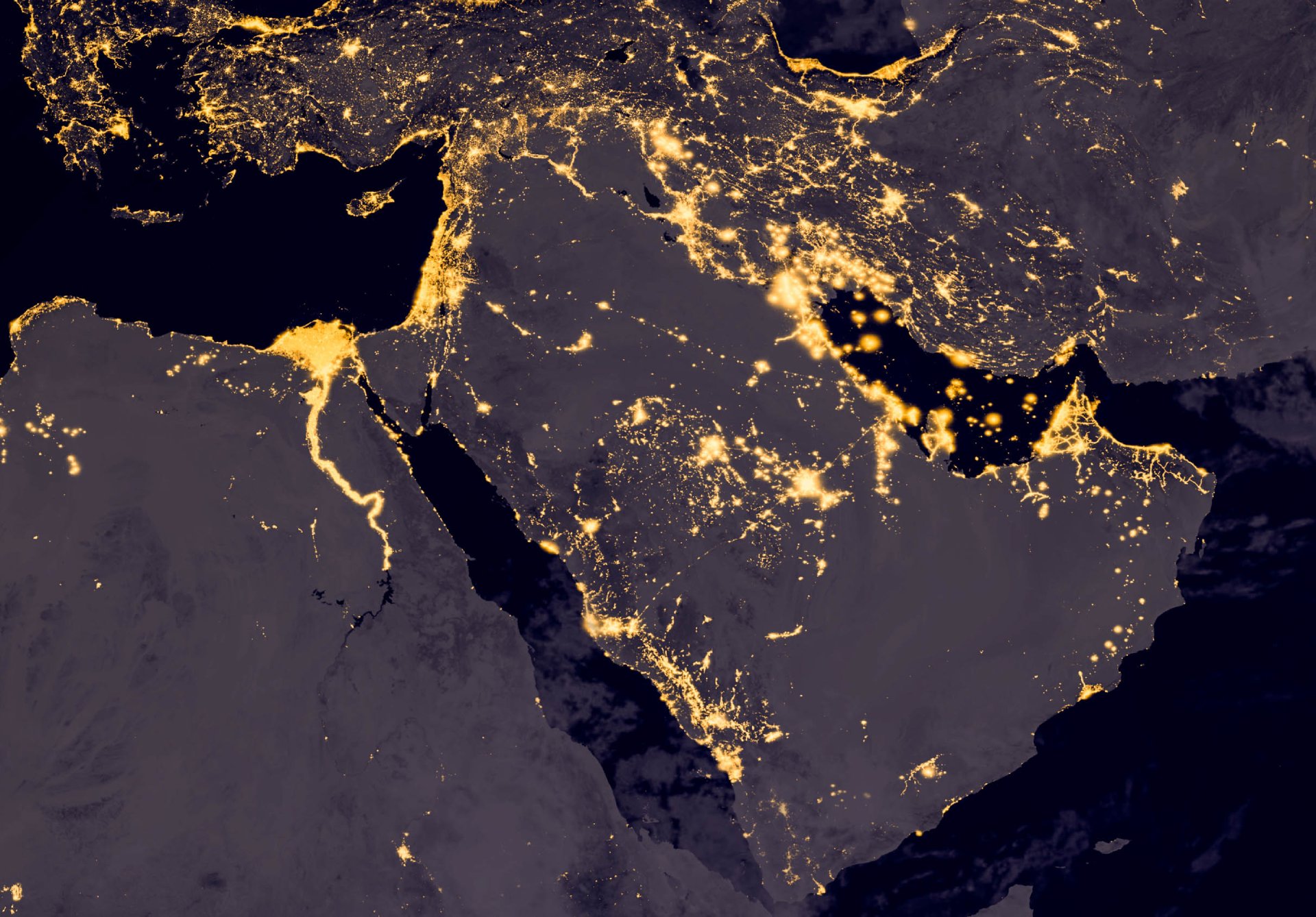
(Lebanon, N.H. – June 26, 2025) — Despite the recent ceasefire between Israel and Iran, international travelers remain deeply concerned about safety and accessibility in nearby regions — including the Middle East, Mediterranean, and parts of Europe — according to the Global Rescue Summer 2025 Traveler Safety and Sentiment Survey.
Nearly 80% of travelers (78%) said they are either “very concerned” (23%) or “somewhat concerned” (55%) about the impact of geopolitical instability on their travel plans through the end of 2025. While the ceasefire has eased immediate tensions, it has not fully restored traveler confidence.
So far, only 6% of travelers have canceled or changed plans, but 12% are delaying decisions until regional conditions stabilize further. A significant 42% are actively avoiding specific countries, while 40% are watching the situation closely and may adjust plans depending on how events develop.
“Even after a ceasefire, the impact on traveler psychology lingers,” said Dan Richards, CEO of Global Rescue. “People are weighing risk more carefully, and safety continues to drive travel decisions.”
Women vs. Men: A Significant Gap in Traveler Caution
The survey revealed notable differences between male and female travelers regarding perceptions of safety.
More than one-third of women (35%) report being “very concerned” about regional safety — nearly double the percentage of men (19%). Over half of women (52%) say they are actively avoiding specific countries, compared to 39% of men.
Women are also more likely to delay travel decisions, with 16% indicating they are waiting to see how the situation develops versus 11% of men. Meanwhile, men are more than twice as likely to report no concern at all regarding regional safety (22% vs. 9%).
“Ceasefires help reduce immediate risk, but they don’t erase long-standing safety perceptions,” Richards said. “Women, in particular, remain highly aware of how geopolitical instability can affect their safety abroad.”
U.S. vs. Non-U.S. Travelers: Caution is Global
Travelers across the globe are similarly cautious, regardless of nationality.
Among U.S. travelers, 23% report being “very concerned” and 56% “somewhat concerned” about travel risks in the Middle East, Mediterranean, and Europe for the rest of 2025. The sentiment is nearly identical among non-U.S. travelers, with 23% “very concerned” and 55% “somewhat concerned.”
When it comes to avoiding destinations, 43% of Americans say they are steering clear of specific countries, compared to 38% of non-U.S. travelers. Non-U.S. travelers are slightly more likely to say the conflict does not influence their destination choices (15%) compared to U.S. travelers (11%).
“Even in periods of calm, travelers are taking a measured approach,” Richards added. “They understand that the return to normal travel conditions often lags behind political developments.”
Security Membership Demand Surges as Travelers Prioritize Safety
Security membership purchases among the world’s most experienced travelers have surged. Year-to-date purchases in 2025 are up 26% compared to the same period in 2024, with the most dramatic spike occurring during the week of June 16 to June 22, when purchases jumped 41% over the same week last year.
“Travelers are no longer willing to risk being caught unprepared in a conflict zone,” said Richards, who is also a member of the U.S. Travel and Tourism Advisory Board at the U.S. Department of Commerce. “They want the ability to make a single phone call and have a team of security professionals mobilized to help them. That’s exactly what a Global Rescue security membership provides.”
For more information contact: Bill McIntyre | Email: bmcintyre@globalrescue.com | Phone: +1 202.560.1195
About the Global Rescue Traveler Sentiment and Safety Survey
Global Rescue, the leading travel risk and crisis response provider, surveyed more than 2,000 current and former members between June 24-25, 2025. The respondents revealed a variety of behaviors, attitudes, and preferences regarding current and future travel.
About Global Rescue
Global Rescue is the world’s leading provider of medical, security, evacuation, and travel risk management services to enterprises, governments, and individuals. Founded in 2004, Global Rescue has exclusive relationships with the Johns Hopkins Emergency Medicine Division of Special Operations and Elite Medical Group. Global Rescue provides best-in-class services that identify, monitor, and respond to client medical and security crises. Global Rescue has provided medical and security support to its clients, including Fortune 500 companies, governments, and academic institutions, during every globally significant crisis of the last two decades. For more information, visit www.globalrescue.com.
Categories:
Business TravelJune 25, 2025
Article Highlights:
- Ho Chi Minh City is one of the fastest-growing international business cities with a 19% compound growth rate.
- Delhi, Indore and Bangalore are propelling the India GDP with strong foreign investment interest.
- Western companies are drawn to Vietnam’s young workforce and rising Vietnam GDP per capita.
- Despite ongoing infrastructure and corruption challenges, Bangladesh’s Dhaka is evolving into a regional startup and manufacturing hub.
- Safety concerns for international business travelers range from disease to civil unrest; strategic preparation is key for success.
Across South and Southeast Asia, several cities are experiencing an unprecedented boom in international business. Among them, Delhi, Indore and Bangalore are emerging as powerhouses in India, Ho Chi Minh City in Vietnam and Dhaka in Bangladesh. Their rise, driven by compound growth rates exceeding global averages, positions them as prime destinations for foreign investment. But their journey comes with complex challenges.
Vietnam Growing Economy
With a compound growth rate of 19%, Thành Phố Hồ Chí Minh (Ho Chi Minh City) stands as a testament to Vietnam’s growing economy. It is bolstered by substantial foreign direct investment, burgeoning tech startups and a dynamic young workforce. Westerners are especially drawn to its business-friendly reforms, improving infrastructure and proximity to global supply chains.
Growing pains are real, however. Infrastructure development hasn’t kept pace with economic activity, leading to traffic congestion and strained utilities. While energetic and abundant, the workforce still faces skill gaps in specialized industries. Geopolitical tensions in the South China Sea and rising cyber risks have added to business concerns. Though kidnapping and ransom risks are lower than in some regions, corruption and red tape persist.
Natural disasters are another reality. Vietnam is prone to typhoons and floods, especially in the southern regions. These events pose logistical and safety challenges. Dengue fever and waterborne illnesses are public health concerns during the rainy season, especially in urban slums.
For success in Vietnam, Western business travelers should prepare with thorough safety briefings, obtain local legal advice and consider partnerships with reputable local firms. It’s essential to understand cultural nuances, prioritize cybersecurity and remain agile in adjusting to regulatory changes.
National Economy of India
Delhi, India’s capital, is experiencing a 17% growth rate in its international business sector. Its appeal lies in its status as a political and economic hub, a central point for industries ranging from tech to logistics to finance. For Westerners, Delhi offers access to India’s vast national economy, growing consumer base and government-led infrastructure projects like smart cities and digital highways.
Yet challenges remain. The city grapples with severe air pollution, aging infrastructure and a periodically unreliable energy grid. The workforce is large and educated but can be constrained by bureaucratic processes and high competition. Protests, particularly around policy changes, have caused disruptions. India is generally safe for travel, but petty crime and occasional unrest can affect business continuity.
Delhi also faces frequent heatwaves, flooding during monsoon season and occasional seismic activity. Vector-borne diseases such as dengue and chikungunya can also impact business operations.
Western business travelers must engage in risk assessments, ensure health precautions and build relationships with vetted local advisors to succeed. A keen understanding of the India GDP landscape and regional regulatory frameworks is critical.

More Business in India
Indore, often overshadowed by India’s metro giants, is now emerging as a leader with an 18% international business growth rate. Known for its cleanliness and planned development, Indore attracts IT services, education and manufacturing businesses. It represents a newer face of business in India, offering streamlined regulations and proactive state governance.
Being a smaller city, however, Indore still faces gaps in international connectivity and scalable infrastructure. The local workforce is talented but smaller in number compared to metros. Corruption at lower levels of governance and land acquisition delays are common challenges. Kidnapping and ransom risks are low, but political demonstrations can cause disruption.
Indore’s central India location spares it from major natural disasters, but seasonal monsoons can cause localized flooding. Airborne and waterborne diseases may still affect short-term travelers.
Westerners eyeing Indore should maintain health safety protocols and focus on building long-term partnerships to navigate the evolving economic climate.
Dhaka, Bangladesh – Frontier Market on the Move
Dhaka is fast emerging from the shadows and has one of South Asia’s most promising business landscapes. While reliable compound growth data is less frequently published, trends suggest Dhaka is growing rapidly in sectors like garments, tech and logistics, fueling Bangladesh GDP growth.
Western businesses are attracted to low labor costs, proximity to India and China and government-backed export processing zones. But there are hurdles: Dhaka’s infrastructure is severely strained, with chronic traffic jams, outdated public services and an unreliable power grid. The workforce is industrious but requires training in international business practices.
Corruption remains a top concern, as does civil unrest during election cycles. Safety risks include political violence, low-level criminality and occasional reports of extortion.
Flooding is Dhaka’s biggest natural threat, intensified by climate change and poor drainage. Waterborne diseases such as cholera and hepatitis A are persistent health issues.
Westerners entering the Bangladesh market must ensure local legal support, secure reliable housing and transport and take robust health precautions. Despite these risks, the opportunity in Dhaka is enormous for those who prepare wisely.
Bangalore Is the Silicon Valley of Asia
Bangalore, long recognized as India’s tech capital, continues to surge thanks to a strong international business ecosystem. While its compound growth isn’t listed, it remains a magnet for startups, global corporations and research institutions.
The business appeal lies in its tech-savvy workforce, English proficiency and global connectivity. Many Westerners find Bangalore easier to navigate than other Indian cities, making it a natural gateway into the broader business in India scene.
But growth comes at a cost. Bangalore suffers from overpopulation, aging roads and water shortages. Skilled talent is abundant, but competition drives up wages and attrition rates. While India is generally safe for travel, Bangalore has seen pockets of unrest tied to local grievances.
The city is not prone to major natural disasters, though it experiences water scarcity and urban flooding. Air quality is moderate but declining.
Western business travelers should come prepared with a local operations team, digital security protocols and a flexible approach to logistics. Navigating India’s GDP and national regulations will require legal support and trusted local partners.
The Global Rescue Connection
As international business surges in emerging hubs like Ho Chi Minh City, Delhi and Dhaka, professionals are traveling farther and more frequently to seize global opportunities. While the virtual meeting boom recedes, in-person engagement across Asia’s fastest-growing economies is on the rise. But rapid growth comes with complex realities — from infrastructure gaps and civil unrest to public health risks and natural disasters.
Business travelers must prepare beyond the basics to navigate these dynamic environments successfully. Understanding cultural norms, political climates and local risks is essential for productivity and personal safety. One of the most valuable tools available is the Global Rescue Destination Report. Covering more than 200 countries and territories, these reports provide detailed briefings on everything from regional customs and legal considerations to current health threats and security concerns.
Global Rescue is a trusted partner for business travelers in high-growth but high-risk markets. Their expert-driven intelligence, pre-travel guidance and on-demand emergency response services — including medical evacuations and security extractions — are critical in cities where risk factors like flooding, civil unrest or infectious disease may jeopardize even well-planned trips.
For companies expanding into emerging economies or professionals exploring the booming business in India, Vietnam and Bangladesh, Global Rescue offers the clarity, confidence and crisis response needed to stay protected and focused on growth. Whether you’re seeking opportunity in the Vietnam gross domestic product boom or wondering, “Is India safe for travel?” these rising stars of global commerce are worth watching and investing in. The rewards in these dynamic economies can be substantial for those who do their homework.
[Lebanon, NH – June 24, 2025] – As geopolitical tensions escalate and war zones widen, more international travelers are turning to Global Rescue for security memberships that offer real-time intelligence, crisis response and extraction services.
Security membership purchases have surged across all key timeframes. Year-to-date purchases in 2025 are up 26% compared to the same period in 2024. The trend intensified in June, with a 40% increase in purchases this month compared to June 2024. The most dramatic spike occurred during the week of June 16 to June 22, with purchases jumping 41% over the same week last year.
“Travelers are no longer willing to risk being caught unprepared in a conflict zone,” said Dan Richards, CEO of Global Rescue and a member of the U.S. Travel and Tourism Advisory Board at the U.S. Department of Commerce. “They want the ability to make a single phone call and have a team of security professionals mobilized to help them. That’s exactly what a Global Rescue security membership provides.”
The increase coincides with the intensifying conflict between Israel and Iran, as well as regional instability affecting parts of Europe, Asia, and Africa. Travelers are seeking more than insurance—they want a trusted team that can extract them when no one else can.
Global Rescue’s Security Membership includes:
- 24/7 access to a team of military special operations veterans and intelligence experts
- Real-time alerts and destination-specific security advisories
- Emergency response and extraction from conflict zones, civil unrest, and terror events
“People are traveling with their eyes open. They’re seeing the headlines—airspace closures, armed conflict, civil unrest—and making smarter decisions before they go,” said Harding Bush, associate director of security operations at Global Rescue and a former Navy SEAL. “Security memberships give travelers direct access to the people who have responded to the world’s worst crises.”
Contact Bill McIntyre at bmcintyre@globalrescue.com or +1 (202) 560-1195 (phone/text) for more information.
About Global Rescue
The Global Rescue Companies are the world’s leading provider of medical, security, evacuation and travel risk management services to enterprises, governments and individuals. Founded in 2004, Global Rescue has exclusive relationships with the Johns Hopkins Emergency Medicine Division of Special Operations and Elite Medical Group. Global Rescue provides best-in-class services that identify, monitor and respond to client medical and security crises. Global Rescue has provided medical and security support to its clients, including Fortune 500 companies, governments and academic institutions, during every globally significant crisis of the last two decades. For more information, visit www.globalrescue.com.