(Lebanon, N.H – May 4, 2026) – Most travelers are not discouraged by new or higher travel fees planned for 2026, but significant gaps remain in awareness of the European Union’s upcoming ETIAS entry requirement, according to the Global Rescue Winter 2026 Traveler Sentiment and Safety Survey.
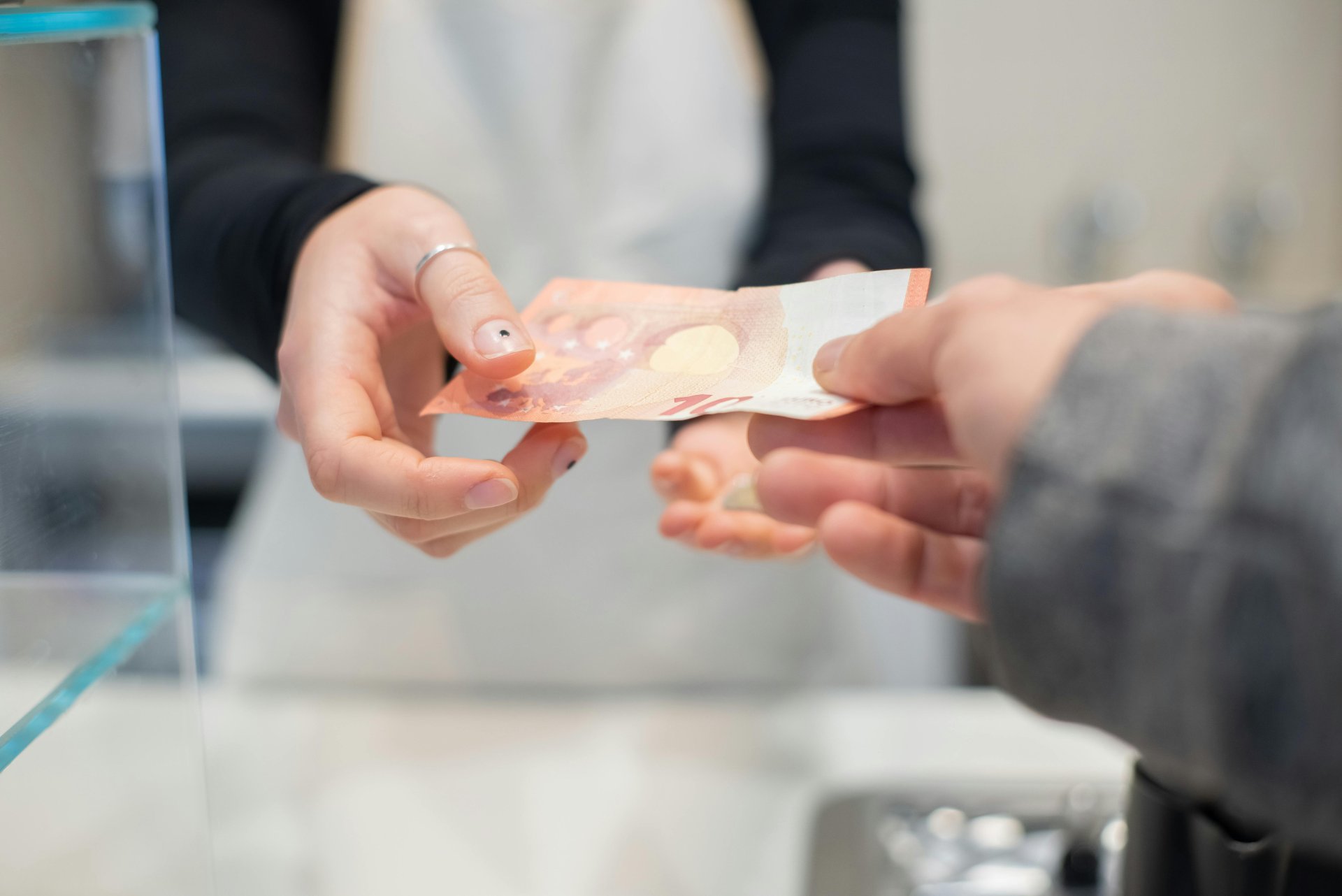
ETIAS requires travelers to complete an online application and pay a €20 fee (about $22 USD) before entering Europe for short stays. It applies to citizens of visa-exempt countries (including the US, UK, Canada, and Australia) traveling to the Schengen Area, with rollout expected in late 2026.
Overall, awareness of ETIAS is mixed. Nearly three in ten travelers, 29%, say they are not at all aware of the new requirement, while a combined 52% report being moderately or very aware. Another 17% are only slightly aware.
Awareness differs notably by gender. Women report substantially higher familiarity with ETIAS than men. Forty-two% of women say they are very aware of the new requirement, compared to 26% of men. Conversely, one-third of men, 33%, say they are not at all aware, compared to 18% of women.
Geography also plays a role. Travelers based outside the US show higher awareness than their US counterparts. Thirty-two% of non-US respondents say they are very aware of ETIAS, compared to 29% of US respondents. Nearly one-quarter of non-US travelers report no awareness at all, versus 32% of US travelers.
“ETIAS is a meaningful change for visa-exempt travelers, and the lack of awareness, particularly among US travelers and men, is concerning,” said Dan Richards, CEO of The Global Rescue Companies and a member of the US Travel and Tourism Advisory Board at the US Department of Commerce. “Failure to complete the process in advance could result in denied boarding or entry delays, which can disrupt trips before they even begin.”
In contrast, travelers appear largely unfazed by new destination-specific entry and stay fees.
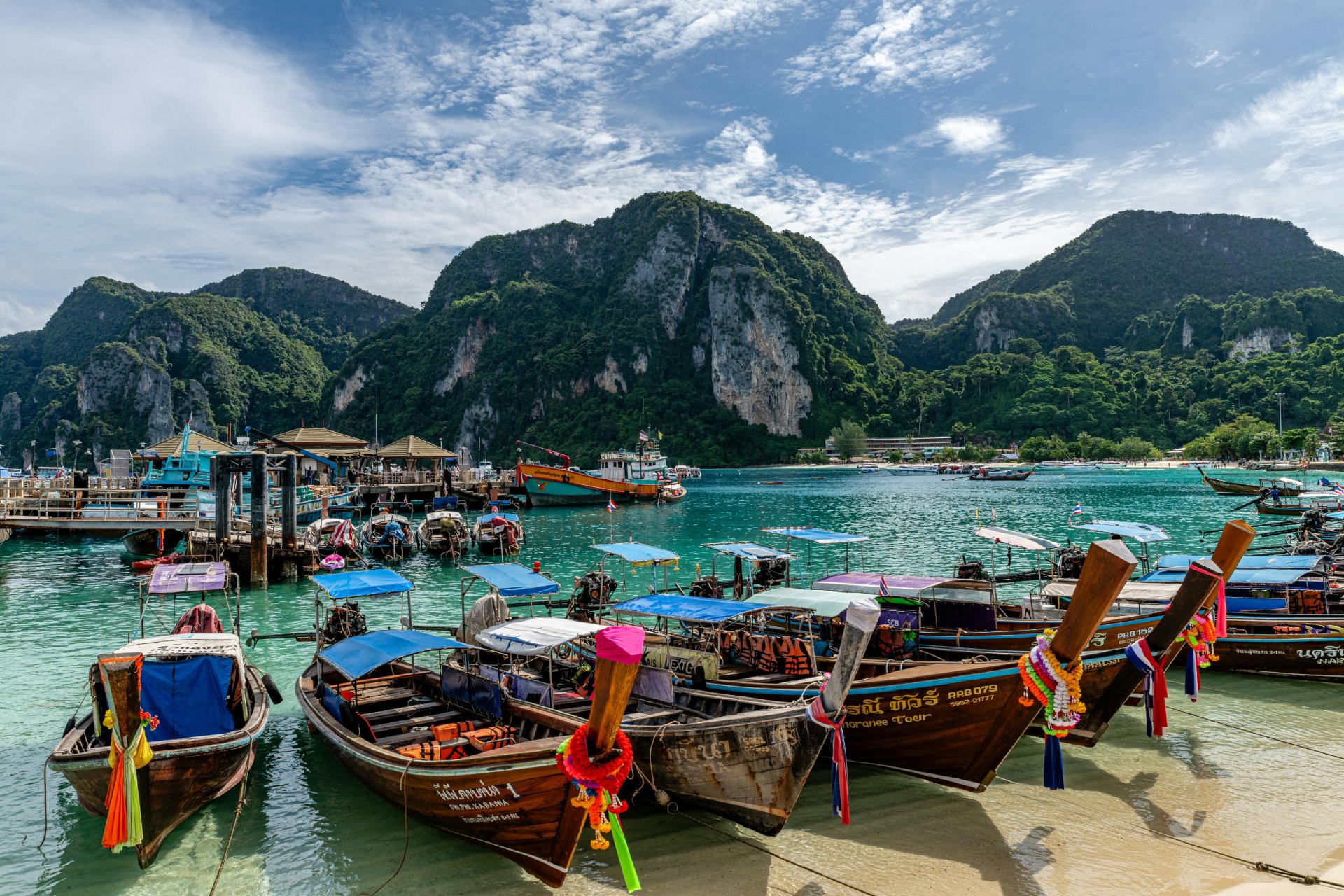
An overwhelming majority, 92%, say Thailand’s new 300-baht entry fee, roughly $10 USD, would not discourage them from traveling there. Only 4% say the fee would deter their travel. Responses are consistent across genders and regions, with 94% of women and 92% of men saying the fee would not prevent travel. Among non-US travelers, resistance is even lower, with 94% saying the fee would not discourage a trip.
Similarly, new overnight stay fees up to $65 per day planned for Barcelona, London and Kyoto appear unlikely to significantly impact travel decisions. Overall, 45% say the fees would not prevent them from traveling or staying in those destinations at all, while another 36% say the impact would depend on the per day fee amount but likely would not deter them. Only 15% say the fees would discourage travel or stays.
Men are slightly less sensitive to the new overnight fees than women. Forty-five% of men say the fees would not prevent travel, compared to 47% of women. US travelers appear more tolerant than non-US travelers, with 49% of US respondents saying the fees would not deter them, compared to 38% of non-US respondents. Still, even among non-US travelers, a strong majority say the fees would either not prevent travel or would only matter depending on the amount.
“Travelers are showing resilience and flexibility when it comes to reasonable fees, but administrative requirements like ETIAS are a different matter,” Richards said. “Fees may be an inconvenience, but lack of preparation can stop a trip entirely. That’s where education and planning become critical.”
About the Global Rescue Traveler Sentiment and Safety Survey
Global Rescue, the leading travel risk and crisis response provider, surveyed more than 1,400 current and former members between January 13 – 17, 2026. Respondents shared their attitudes, behaviors and preferences related to travel safety, technology and global mobility.
About Global Rescue
Global Rescue is the world’s leading provider of medical, security, evacuation and travel risk management services to enterprises, governments and individuals. Founded in 2004, Global Rescue maintains exclusive relationships with the Johns Hopkins Emergency Medicine Division of Special Operations and Elite Medical Group. The company has provided medical and security support during every major global crisis over the past two decades. For more information, visit www.globalrescue.com.
Categories:
Business TravelTravelMay 1, 2026
Article Highlights:
- Canada delivers a rare combination of luxury, adventure and business travel experiences in one destination.
- Major cities like Montreal, Toronto and Vancouver are safe, modern and globally connected hubs.
- Outdoor icons like Banff National Park and Vancouver Island offer world-class summer adventure.
- Events like the Calgary Stampede and international festivals define Canada’s summer culture.
- High-quality healthcare and infrastructure support travel, but preparation and evacuation planning remain essential.
Canada in summer is a fully realized travel experience that spans urban sophistication, wilderness immersion and global business connectivity. From June through August, the country transforms. Long daylight hours stretch into late evenings, cities spill onto patios and waterfronts and remote landscapes become accessible in ways impossible during the long winter months.
For travelers evaluating where to go next, Canada stands apart because it does not force a choice between luxury, adventure or productivity. It offers all three, often within the same itinerary.
Why Summer Is the Optimal Time To Visit Canada
Canada’s geographic scale shapes everything about travel here. As the second-largest country in the world, its climate varies dramatically, but summer is the narrow window when most of the country becomes not just accessible, but inviting.
Temperatures across southern Canada settle into a comfortable range, while northern and mountainous regions open for hiking, exploration and wildlife encounters. Extended daylight, often stretching past 9:00 PM, maximizes time outdoors, whether in cities or national parks.
Summer is also when Canada’s cultural identity becomes most visible. Festivals, outdoor dining and waterfront life define the rhythm of daily life.
For travelers seeking balance, June often offers fewer crowds with excellent weather, while July and August deliver peak warmth and the full intensity of Canada’s summer calendar.
Urban Canada: Safe, Sophisticated and Globally Connected
Canada’s major cities are central to its appeal, especially for luxury and business travelers.
Is Montreal Safe?: Montreal combines European charm with North American infrastructure. French is the dominant language, reflecting its cultural roots, but English is widely spoken in hospitality and business settings.
From a security perspective, Montreal is considered safe for travelers. Petty crime such as pickpocketing can occur in crowded areas, but violent crime affecting visitors is rare. The city’s walkability, public transit and vibrant nightlife make it one of the most accessible urban destinations in North America.
In summer, Montreal becomes a cultural capital. Events like the Just for Laughs Festival and the Montreal International Jazz Festival attract global audiences, while fine dining and boutique hotels cater to luxury travelers.
Is Toronto Safe?: Toronto is Canada’s financial and business hub, making it a natural destination for corporate travel. It offers world-class hotels, global cuisine and a skyline anchored by the CN Tower.
For travelers asking “is Toronto safe,” the answer is yes. Like any major city, it requires basic awareness, but it consistently ranks among the safest large cities in North America.
Toronto’s appeal lies in its diversity. It is one of the most multicultural cities in the world, which translates into exceptional dining, neighborhoods and cultural experiences. For business travelers, it provides seamless infrastructure, international connectivity and proximity to major corporate centers.
Is Vancouver Safe?: Vancouver offers a different dynamic: a city where luxury meets nature. Framed by mountains and ocean, it provides immediate access to outdoor activities without sacrificing urban comfort.
Vancouver is also considered safe, with crime largely limited to non-violent incidents in specific areas. For most travelers, it feels clean, organized and easy to navigate.
What sets Vancouver apart is its lifestyle. You can attend meetings downtown in the morning and be kayaking, hiking or dining waterfront by the afternoon.
Adventure Travel: Canada’s Defining Advantage
If cities provide the foundation, Canada’s wilderness defines its identity.
Banff National Park: The Icon of Canadian Adventure: Banff National Park is one of the most recognizable landscapes in the world. Located in the Canadian Rockies, it offers turquoise lakes, glacial valleys and alpine trails that attract both casual visitors and serious adventurers.
Summer is the ideal time to visit. Trails open, lakes thaw into vivid blue and wildlife becomes more visible.
Luxury travel is deeply integrated here. High-end lodges, guided experiences and curated excursions allow travelers to explore remote environments without sacrificing comfort.
Banff, however, also illustrates an important reality: beauty often comes with remoteness. Emergency response times can vary and terrain can be unforgiving. Preparation matters, especially for hiking, climbing or backcountry travel.
Vancouver Island: Coastal Wilderness and Refined Escape: On the west coast, Vancouver Island delivers a different kind of adventure. It combines rugged coastline, dense forests and marine wildlife with boutique accommodations and culinary sophistication.
Whale watching, kayaking and coastal hiking define the experience, while towns like Victoria offer a refined, almost British-inspired atmosphere.
Vancouver Island is also a prime example of Canada’s dual identity: remote yet accessible, wild yet comfortable.
Festivals and Cultural Energy
Canada’s summer calendar is a major driver of travel demand.
The Calgary Stampede stands out as one of the most iconic events in North America. Part rodeo, part cultural festival, it transforms Calgary into a celebration of Western heritage, drawing visitors from around the world.
Beyond Calgary, Canada Day on July 1 brings nationwide celebrations, while cities host film festivals, food events and music performances throughout the season.
These events are not just entertainment, they are an entry point into Canadian identity, blending Indigenous heritage, European influences and modern multiculturalism.
Business Travel in Canada: Efficiency Meets Experience
Canada’s infrastructure makes it one of the most efficient destinations for business travel.
Major cities are well-connected through international airports and transportation systems are reliable and modern. Hotels cater to corporate travelers with meeting spaces, connectivity and concierge-level service.
What differentiates Canada is how easily business travel can transition into leisure. A conference in Toronto can be followed by a weekend in Niagara wine country. Meetings in Vancouver can extend into a trip through the Rockies.
This “bleisure” dynamic is increasingly important in global travel trends, where productivity and experience are no longer separate.
Safety, Healthcare and Practical Considerations
Canada is widely regarded as a low-risk destination. Most visits are free of major security concerns, with petty theft being the most common issue.
Natural risks, however, vary by region. British Columbia sits in an active earthquake zone, while tornadoes can occur in central provinces during summer months. Weather conditions can shift quickly in mountainous areas.
Healthcare in Canada is high quality and meets international standards. However, non-citizens should expect to pay out of pocket for services. Emergency rooms can involve wait times and language differences may arise in French-speaking regions like Québec.
Food and water safety are generally excellent, but travelers venturing into wilderness areas should rely on purified or bottled water.
These realities reinforce a broader principle seen across international travel: infrastructure is strong, but not infallible. Even in developed destinations, preparation remains essential.
Summer is peak season, which introduces logistical considerations. Booking flights and accommodations well in advance is essential, particularly for high-demand destinations like Banff National Park or Vancouver Island.
The Global Rescue Connection
No matter how safe a destination may be, emergencies still happen, especially in a country where earthquakes, severe weather and remote mountain terrain are part of the landscape.
Canada illustrates this clearly. In urban environments, Global Rescue has assisted travelers with logistical disruptions, including helping a member replace a lost passport in Toronto. In remote regions, the stakes are higher. A member in the Yukon required coordinated medical care and transport after a serious fall from a horse. In Banff National Park, famed climber Steve House suffered a catastrophic 80-foot fall, requiring complex rescue, hospital care in Calgary and medical transport back to the United States.
Even elite athletes are not immune. Following a high-speed crash at Lake Louise, US Ski Team racer TJ Lanning required emergency airlift to Calgary and subsequent evacuation via specialized aircraft.
These cases reinforce a critical point: geography matters. Whether navigating wilderness or city centers, response coordination is everything. A Global Rescue membership ensures travelers have access to:
Field rescue from remote locations, including mountains, forests and offshore environments
Medical evacuation to the hospital of your choice, not just the nearest facility
24/7 medical advisory support from experienced professionals
Destination reports that provide intelligence on local risks, healthcare systems and infrastructure
This level of support is equally valuable in remote environments like Banff National Park or Vancouver Island and in urban centers such as Toronto, Montreal or Vancouver.
Canada in summer offers extraordinary rewards. With the right preparation, it also offers something more valuable: confidence to explore fully, whether your journey is driven by luxury, adventure or business.
Get a price estimate
Estimate
$0.00
Please answer all questions for estimate.
Categories:
Security & IntelligenceTravelApril 30, 2026
Article Highlights:
- 65% of travelers feel safe traveling alone, but security and medical emergencies present unique challenges when you have no companion for support or decision-making assistance.
- Communication barriers during security or medical crises can be life-threatening for solo travelers who cannot advocate for themselves in foreign destinations.
- Adventure activities popular with solo travelers often fall outside standard travel insurance coverage, requiring specialized protection.
- Women traveling alone face distinct medical privacy and safety concerns in healthcare settings across different cultures.
- Comprehensive traveler protection including field rescue, medical evacuation and security extraction is essential when traveling solo to destinations with limited medical infrastructure and potential security threats.
The freedom of solo travel comes with an intoxicating sense of independence, but when that independence meets a medical emergency or security threat, solo travelers face a sobering reality: they are solely responsible for navigating risk in real time.
Dianette Wells, a 55-year-old endurance athlete and seasoned solo traveler, learned this during a hiking accident in New Zealand. “I was three hours from the nearest hospital when I fell,” she recalled. “There was no one to call for help, no one to translate my symptoms, no one to make decisions if I couldn’t.”
According to Global Rescue’s Traveler Sentiment and Safety Survey, 65% of respondents feel safe traveling alone in most destinations. But perceived safety and actual preparedness are not the same. Security risks, including crime, civil unrest, violent conflicts and infrastructure gaps, compound medical emergencies for solo travelers who lack immediate support systems.
“Solo travel is on the rise, but so is traveler vigilance,” said Dan Richards, CEO of The Global Rescue Companies. “Travelers prioritize situational awareness and taking concrete steps to protect themselves when they venture out alone.”
Situational awareness is critical, but it has limits. When a crisis unfolds, especially in unfamiliar environments, solo travelers must rely on preparation, not instinct.
Medical Emergencies and Security Risks for Solo Travelers
The most critical challenge solo travelers face during emergencies is not just the medical condition itself, but the breakdown of communication and the absence of support.
“Any type of travel can be risky,” said Global Rescue member Amanda Burrill, a former Navy lieutenant turned global adventurer, travel writer, and food connoisseur. “But, if you do your research, follow customs, and take the proper travel safety measures, you can bring down the risk level.”
Experiencing severe food poisoning and needing emergency care is a larger challenge if the hospital staff don’t speak your language, especially if you are too sick to use translation apps. It makes explaining any allergies or understanding their questions about your medical history unproductive. This communication failure becomes a security issue as well. Without the ability to advocate for yourself, you are vulnerable to misdiagnosis, improper treatment or exploitation in unfamiliar systems.
Solo travelers must also make high-stakes decisions under pressure:
- Should you accept treatment from an unfamiliar provider?
- Is evacuation necessary?
- Are you in a location where security conditions could deteriorate?
The survey underscores this tension: 52% of experienced travelers are comfortable visiting destinations with limited medical infrastructure, but 48% are not. For solo travelers, that margin is critical because there is no second opinion in the moment.
Cultural differences add another layer. Privacy norms, gender dynamics and medical protocols vary widely. For solo female travel in particular, these differences can create discomfort or even compromise personal security in clinical settings.
Adventure Travel, Insurance Gaps and Security Exposure
Solo travelers often pursue experiences that inherently carry more risk, trekking, diving, endurance events or remote exploration. These activities introduce both medical and security exposure.
Standard travel insurance frequently excludes:
- Adventure sports.
- Remote evacuations.
- Field rescue from non-urban environments.
Wells encountered this gap firsthand. “I assumed my travel insurance covered everything,” she said. “But when I needed medical evacuation from a remote marathon course, I discovered my policy excluded ‘athletic competitions.’”
This gap is not just financial, it’s operational. As highlighted in broader travel protection analysis, traditional insurance typically reimburses after the fact rather than coordinating rescue or extraction in real time. For solo travelers, that distinction is critical. Without immediate coordination, delays in care, transport and decision-making can escalate quickly.
Security-Driven Destination Decisions for Solo Travel
Safety and security increasingly dictate where solo travelers go. The Global Rescue survey found that 45% of travelers say safety “almost always” or “most of the time” influences destination choice.
Solo travelers are prioritizing:
- Countries with reliable healthcare systems.
- Destinations with strong security infrastructure.
- Regions with clear emergency response protocols.
Places like Japan, Portugal, Iceland and New Zealand consistently rank high because they combine medical reliability with stable security environments.
Even in “safe” destinations, however, risks persist. Petty crime, unpredictable natural disasters, transportation disruptions and localized instability can still impact solo travelers, particularly those moving independently without local support networks.
Solo Travel Tips: Building a Personal Security Framework
Solo travelers are not avoiding risk, they are managing it more intelligently.
The Global Rescue survey shows:
- 93% prioritize situational awareness.
- 78% adapt dress and behavior to local norms.
- 68% use vetted transportation services.
Experienced solo travelers recommend:
- Sharing real-time location and itineraries.
- Carrying redundant copies of medical and travel documents.
- Pre-identifying hospitals and emergency contacts.
- Using communication tools that function offline.
Santos emphasizes: “It’s important that someone always knows, at some point during the day, where you physically are.” Security, in this context, is not a single action. It is a layered system of preparation, communication and contingency planning.
The Global Rescue Connection
For solo travelers, the question is not whether to have protection, it’s whether that protection actively manages both medical and security risk. Standard travel insurance may reimburse expenses, but it does not solve the most critical problems solo travelers face:
- Real-time decision-making.
- Communication barriers.
- Extraction from remote or unstable environments.
A Global Rescue membership addresses these gaps directly.
Core benefits include:
- Field rescue from remote or hard-to-reach locations.
- Medical evacuation to the most appropriate hospital, not just the nearest.
- 24/7 medical advisory services for real-time guidance and decision support.
- Destination intelligence on healthcare systems and risk environments.
For solo travelers, this removes the most dangerous variable: isolation during a crisis.
The Security Add-On expands protection beyond medical scenarios into evolving global threats.
This includes:
- Security evacuation and extraction during civil unrest, political instability or natural disasters.
- Real-time security intelligence and alerts tailored to your location.
- Access to security specialists, often with military and special operations backgrounds.
- Guidance on safe movement, sheltering and exit strategies in unstable environments.
In a world where risks are increasingly unpredictable, from sudden protests to border closures or regional conflict, solo travelers are uniquely exposed. The Security Add-On ensures that even when conditions deteriorate rapidly, you are not navigating those risks alone. As global mobility increases and solo travel continues to rise, preparation becomes the defining factor between vulnerability and confidence.
A Global Rescue membership, combined with the Security Add-On, transforms solo travel from a calculated risk into a supported, manageable experience. Because when you travel alone, true security means knowing you’re never actually on your own.
(Lebanon, NH — April 30, 2026) Travelers remain hesitant about space tourism despite the successful return of NASA’s Artemis II mission, according to new data from the Global Rescue Spring 2026 Traveler Sentiment and Safety Survey.
While Artemis II marks a major milestone in reestablishing human lunar exploration and advancing plans for a sustained presence on the Moon, the survey shows most travelers are not ready to follow. Only 24% of respondents say they are very or somewhat interested in traveling to the Moon. In contrast, nearly three-quarters, 74%, report low or no interest, including 57% who say they are not interested at all.
“The Artemis II mission proves what’s possible,” said Dan Richards, CEO of The Global Rescue Companies and a member of the US Travel and Tourism Advisory Board at the US Department of Commerce. “But traveler sentiment makes clear that possibility doesn’t equal demand, at least not yet.”
Cost is a major barrier. Only about 10% would consider paying up to $250,000 for a trip, and fewer than 2% would pay $750,000 or more. At the other end of the spectrum, nearly three-quarters of travelers, 74%, say none of the proposed price points, including options exceeding $1 million, are acceptable.
Even with Artemis II’s success, travelers remain focused on risk. A majority, 56%, cite catastrophic mission failure as their primary safety concern. Being stranded ranks second at 17%, while concerns about getting sick or injured during the trip are relatively low at just under 7%.
“Space travel introduces a category of risk that most travelers have never had to evaluate,” Richards said. “The consequences are absolute, and that heavily shapes perception.”
The survey also found that women are less interested in lunar travel than men, with 62% reporting no interest at all compared with 55% of men. Non-US travelers show somewhat higher interest and slightly more pricing tolerance than US-based respondents, though overall sentiment remains cautious across all groups.
Current commercial space travel is operational but remains limited and expensive. Offerings include short suborbital flights and multi-day orbital missions, including trips to the International Space Station. Despite this progress, costs remain a major barrier, with suborbital seats priced in the hundreds of thousands and orbital missions costing several million dollars.
Artemis II represents a significant step forward in human space exploration. But the survey findings suggest consumer readiness still trails technological capability. For now, while returning to the Moon is no longer theoretical, most travelers remain content to stay Earthbound.
About the Global Rescue Traveler Sentiment and Safety Survey
Global Rescue, the leading travel risk and crisis response provider, surveyed more than 1,200 current and former members between April 7–13, 2026. Respondents shared their attitudes, behaviors and preferences related to travel safety, technology and global mobility.
About Global Rescue
Global Rescue is the world’s leading provider of medical, security, evacuation and travel risk management services to enterprises, governments and individuals. Founded in 2004, Global Rescue maintains exclusive relationships with the Johns Hopkins Emergency Medicine Division of Special Operations and Elite Medical Group. The company has provided medical and security support during every major global crisis over the past two decades.
Categories:
Security & IntelligenceTravelApril 29, 2026
Article Highlights:
- Returning after civil unrest requires security, infrastructure and medical evaluation, not just headlines.
- A destination may appear calm while transportation, hospitals and services remain disrupted.
- Travelers must distinguish between political unrest, crime risk and residual instability.
- Reliable mobility and emergency response capability define true recovery.
- A safe return depends on whether you can exit or adapt quickly if conditions change.
For international travelers deciding when to return to a destination after civil unrest, cartel shoot outs or violent conflict is not a matter of intuition. It is a structured assessment of whether the environment has become operational again.
The central mistake travelers make is equating quieter headlines with restored safety. A destination can appear calm while remaining unstable beneath the surface. Roads may still be blocked. Hospitals may be understaffed. Security forces may be stretched thin.
The correct framework is not “Has the violence stopped?” but “Have the systems that make travel viable returned?”
This distinction is fundamental to modern traveler safety. In today’s global environment—where international travel increasingly involves emerging destinations, off-peak seasons and thinner infrastructure—the margin for error is smaller than ever.
Is the Security Situation Actually Contained?
The first question is whether unrest or violence is contained, reduced and geographically limited.
Conflict rarely affects an entire country evenly. A capital city may experience protests while coastal resorts remain largely unaffected. Border regions may carry elevated tension while major tourism corridors continue operating.
This variability cuts both ways, however. A calm resort does not guarantee broader stability. Nor does a single incident define an entire nation. Travelers need to assess whether unrest is still active, whether it can flare again and whether it is confined to specific zones or capable of spreading unpredictably. They should also consider how authorities are managing the situation and whether control appears durable or temporary.
Understanding this distinction is critical. Political protests that disrupt transportation are fundamentally different from targeted violence, militia activity or anti-foreigner sentiment. Each presents a different risk profile—and a different threshold for safe return.
Has Infrastructure Returned to Normal?
Security is only one layer of risk. Infrastructure is what determines whether travel is workable.
After civil unrest or violent conflicts, transportation systems are often the last to fully recover. Airports may reopen, but that does not mean movement on the ground is reliable. Roads can remain blocked or unsafe, train schedules may be inconsistent and curfews can still limit mobility. Even when services resume, they may do so unevenly, creating gaps that are not immediately obvious to incoming travelers.
A destination cannot be considered stable if travelers cannot move predictably between airports, hotels, medical facilities and departure points. The ability to navigate the environment without disruption is what transforms a place from “open” to “operational.”
This becomes even more important in destinations that already operate with thinner infrastructure. When systems are fragile to begin with, even minor disruptions can have outsized consequences for traveler safety.
Can You Access Reliable Medical Care?
One of the most overlooked factors in post-conflict travel is medical capability.
Travelers often assume that familiarity equates to reliability, especially in destinations that feel close or tourism-oriented. In reality, medical infrastructure can vary significantly within a single country, and those variations become more pronounced after unrest.
Emergency response times may be slower. Hospitals may be operating with reduced staff or limited supplies. Access routes to care may still be compromised, particularly outside major urban centers. Even when facilities are technically open, their ability to deliver advanced care consistently can be uncertain.
The critical question is whether you can depend on timely, competent medical treatment if something goes wrong. If advanced care is not accessible within a realistic distance, or if reaching it depends on unreliable transportation, then the destination is not yet ready for a confident return.
What Kind of Risk Remains?
Not all risks disappear when unrest subsides, and not all risks affect travelers in the same way.
A destination may transition from active conflict to a more complex environment shaped by residual instability. In some cases, protests may continue at a lower intensity, disrupting transportation without directly targeting visitors. In others, opportunistic crime can increase as law enforcement resources remain stretched. Border regions may experience spillover effects from neighboring instability, while certain areas may retain a heightened sensitivity to foreigners.
Understanding what type of risk remains is essential. A traveler moving through a city with occasional demonstrations faces a very different situation than one navigating areas with unpredictable checkpoints or rising post-conflict crime.
The key is not simply whether risk exists, but how it manifests and whether it directly affects movement, access and personal safety.
Can You Recover if Something Goes Wrong?
The final and most critical factor is whether you can recover operationally if conditions deteriorate.
Many travelers focus heavily on whether they can enter a destination but fail to consider whether they can exit or adapt if circumstances change. In a post-unrest environment, this oversight can be consequential.
Recovery depends on having viable options. This includes access to reliable transportation out of the region, the ability to reroute quickly and the presence of secure pathways to airports or borders. It also requires realistic contingency planning, not just assumptions that systems will function as expected.
Traditional travel insurance may address financial loss after an incident, but it does not guarantee operational capability during one. In environments where stability is still returning, the ability to move quickly and decisively is what defines true traveler safety.
Is It Safe To Return?
A destination is ready for return when all of the following conditions are met: the unrest is no longer active in the areas you will use, transportation systems are functioning consistently, credible lodging and local services are operating normally, advanced medical care is accessible within a reasonable distance and you have a clear contingency plan if conditions change.
Anything less introduces unnecessary risk. The guiding principle is simple: Return when the destination is not just quieter, but operational again.
The Global Rescue Connection
Even when conditions appear stable, international travel after civil unrest carries inherent uncertainty. Situations can shift quickly, infrastructure can fail and local resources may not meet expectations in an emergency.
A Global Rescue membership provides a critical layer of support that bridges these gaps worldwide. Members have access to field rescue from the point of illness, injury or insecurity, ensuring that help reaches them wherever they are, not just after they reach a hospital. Medical evacuation services transport members to the hospital of their choice, rather than the nearest available facility, which can significantly impact outcomes.
Equally important is 24/7 medical advisory support. Travelers can consult with experienced medical professionals before and during their trip, gaining clarity on symptoms, treatment options and local care standards. Destination Reports provide detailed intelligence on security conditions, infrastructure reliability and medical capabilities, helping travelers make informed decisions before departure.
For those navigating higher-risk environments, the Global Rescue Security Add-On extends protection further. It includes security advisory services and, when necessary, physical extraction in situations involving civil unrest, unpredicted natural disasters, government evacuation orders or credible threats of bodily harm.
In a world where travel conditions can change rapidly, preparation is no longer optional. A Global Rescue membership ensures that wherever you go, you have the capability to respond, adapt and recover—turning uncertainty into a managed risk rather than an uncontrolled one.
Categories:
Places & PartnersTravelApril 28, 2026
Article Highlights:
- Japan in summer delivers unmatched festivals, cultural immersion and outdoor adventure despite heat and humidity.
- Hokkaido provides a cooler, more comfortable escape with luxury nature experiences and fewer crowds.
- Mount Fuji climbing season peaks in summer, offering one of Japan’s most iconic adventure experiences.
- Urban centers like Tokyo and Kyoto become intensely hot, requiring strategic planning for comfort and safety.
- Obon season creates peak travel demand, making early booking and logistics planning essential.
Japan in summer (June through August) is a study in contrasts. It is vibrant, kinetic and culturally rich, yet physically demanding. Travelers encounter dazzling festivals, world-class cuisine, pristine natural landscapes and cutting-edge urban environments, all layered with heat, humidity and seasonal weather challenges.
For luxury travelers, adventure seekers and business professionals alike, summer presents both opportunity and complexity. Understanding how to navigate this season transforms Japan from a potentially exhausting destination into one of the most rewarding travel experiences in the world.
The Japanese summer begins with tsuyu, the rainy season that typically stretches from June into mid-July. During this period, persistent rainfall, overcast skies and high humidity dominate much of the country, particularly in Tokyo and Kyoto. While not constant, the rain can be heavy and disruptive.
By late July and August, the climate shifts dramatically. Temperatures frequently exceed 90°F/32°C, with humidity levels that amplify the physical strain. Urban heat retention in cities like Tokyo and Kyoto makes conditions feel even more intense.
August also marks the beginning of typhoon season. While not every trip is affected, storms can disrupt flights, trains and regional travel plans with little notice.
This climate profile requires strategic planning. Travelers who treat Japan like a temperate summer destination often struggle. Those who adapt their itineraries, early mornings, indoor midday activities and regional diversification, unlock a far more comfortable experience.
Why Summer Still Works: Culture at Full Volume
Despite the climate challenges, summer is when Japan feels most alive.
Festival season defines the experience. Traditional matsuri take over cities and towns, with processions, music, street food and fireworks creating a uniquely immersive cultural environment. Events like Kyoto’s Gion Matsuri and nationwide fireworks festivals transform ordinary evenings into unforgettable spectacles.
The Obon holiday in mid-August is particularly significant. This period, when many Japanese return to their hometowns to honor ancestors, creates a surge in domestic travel. Trains fill, flights sell out and hotel prices rise. For travelers, Obon offers both an authentic cultural window and a logistical challenge.
Handled correctly, this is not a drawback, it is access to Japan at its most traditional and communal.
Hokkaido: Japan’s Summer Escape Valve
For those seeking relief from the heat, Hokkaido is the strategic solution.
Japan’s northernmost island operates on a different climate profile. Summers are mild, with lower humidity and cooler temperatures, making it ideal for outdoor exploration. Lavender fields in Furano, hiking trails in Daisetsuzan National Park and coastal landscapes deliver a distinctly different Japanese experience.
Luxury travelers increasingly incorporate Hokkaido into summer itineraries for precisely this reason. High-end ryokan stays, farm-to-table dining and expansive natural settings provide both comfort and exclusivity.
From a planning perspective, Hokkaido is not just an optional add-on, it is a counterbalance that makes a summer itinerary viable.
Mount Fuji: Peak Season for an Iconic Climb
Summer is the official climbing season for Mount Fuji, typically running from early July through early September. Outside of this window, conditions are too dangerous for most travelers.
Climbing Fuji is less about technical mountaineering and more about endurance and preparation. Trails are well-marked, mountain huts provide support and thousands attempt the ascent each year.
However, the experience is not without risk. Weather conditions can change rapidly, altitude sickness is common and overcrowding during peak periods can create bottlenecks on narrow trails. Proper planning, timing, gear, hydration and pacing, is essential.
For adventure travelers, Fuji is a defining experience. For others, viewing the mountain from surrounding regions such as Hakone or the Fuji Five Lakes offers a more relaxed alternative.
Tokyo and Kyoto: Urban Energy Under Pressure
Summer in Tokyo and Kyoto demands a different mindset.
These cities remain central to any Japan itinerary, particularly for business and luxury travel, but they require adaptation. The combination of heat, humidity and dense urban environments can quickly become overwhelming.
The solution lies in structuring the day intelligently. Early mornings are ideal for sightseeing, while midday hours are better spent in museums, restaurants, shopping districts or business meetings in climate-controlled environments.
Tokyo’s infrastructure excels under pressure. Efficient public transportation, ubiquitous convenience stores and advanced urban planning help mitigate discomfort. Kyoto, while culturally unmatched, can feel more physically taxing due to its layout and traditional architecture.
Luxury accommodations play a critical role here. High-end hotels provide not just comfort, but recovery, space, cooling and service that allow travelers to recharge between excursions.
Business Travel in Summer: Efficiency Meets Environment
Japan remains one of the world’s most important business travel destinations and summer does not slow that pace.
However, business travelers must account for environmental factors that influence productivity. Heat fatigue, crowded transit systems during Obon and potential weather disruptions all impact scheduling.
The advantage lies in Japan’s reliability. Even during peak periods, transportation systems remain precise, cities remain safe and services remain consistent. Planning buffers into schedules, particularly during Obon or typhoon season, ensures continuity.
From a strategic standpoint, pairing business travel with leisure experiences, such as extending a trip to include Hokkaido or a cultural stay in Kyoto, maximizes the value of being in-region.
Safety and Risk: Low Threat, Real Considerations
Japan maintains a low overall security risk profile, with low crime rates, efficient public services and strong infrastructure. This makes it one of the safest destinations globally for travelers.
However, “low risk” does not mean “no risk.”
Petty crime, particularly in nightlife districts such as Shinjuku or Roppongi, does occur. Drink spiking and theft have been reported in certain areas. Crowded trains can also present issues, including occasional reports of harassment.
Natural hazards represent a more significant consideration. Japan sits on the Pacific Ring of Fire, making earthquakes, volcanic activity and typhoons part of the environment. These events can disrupt travel and, in rare cases, create life-threatening situations.
Outdoor activities, including hiking and climbing, introduce additional exposure. Terrain can be steep, weather unpredictable and rescue resources location-dependent.
Medical care in Japan is high quality, but access can be complicated by language barriers and upfront payment requirements for non-residents.
Prepared travelers treat Japan not just as a destination, but as an operating environment that requires awareness and planning.
Practical Travel Strategy for Summer Success
Success in Japan during summer comes down to tactical adjustments.
Geography matters. Combining urban centers with cooler regions like Hokkaido or mountainous areas balances exposure to heat.
Timing matters. Early starts and late evenings maximize comfort while avoiding peak heat hours.
Preparation matters. Lightweight clothing, hydration strategies, rain gear for tsuyu and contingency planning for typhoons all contribute to a smoother experience.
Logistics matter. Booking transportation and accommodations early, especially around Obon, prevents avoidable friction.
Most importantly, expectations matter. Japan in summer is not about ease, it is about immersion. Travelers who embrace that reality tend to find the experience far more rewarding.
The Global Rescue Connection
No matter how safe a destination may be, emergencies still happen, especially in a country where earthquakes, typhoons and remote mountain trails are part of the landscape.
Japan’s infrastructure is world-class, but when incidents occur, whether on Mount Fuji, in rural Hokkaido or in dense urban environments like Tokyo or Kyoto, the complexity of response can escalate quickly.
Consider a real case: a US traveler suffered a severe motorcycle crash in Hokkaido, resulting in multiple fractures, internal injuries and a traumatic brain bleed. After initial stabilization in regional hospitals, physicians determined advanced care was required outside Japan. Global Rescue coordinated the medical review, arranged international transport and ensured continuity of care in Taiwan, where recovery continued under appropriate specialists.
In another case, a traveler injured in Japan required coordinated transport, medical clearance and repatriation to the United States for follow-up care. These are not extreme outliers, they are representative of how quickly routine travel can become medically complex.
A Global Rescue membership addresses these realities directly. Members have access to:
- Field rescue from the point of injury or illness.
- Medical evacuation to the hospital of their choice.
- 24/7 medical advisory support from experienced professionals.
- Destination Reports that provide critical intelligence on risks, infrastructure and preparedness.
Whether navigating remote terrain near Mount Fuji or managing an incident in a major city, this level of coordination bridges the gap between local capability and global standards of care.
Japan rewards travelers with depth, precision and cultural intensity. A Global Rescue membership ensures that if something goes wrong, that same level of precision extends to your safety, care and recovery.
(Lebanon, NH – April 27, 2026) — Virtually no travelers believe international travel is safer today than it was a year ago, according to new Global Rescue survey data—a striking finding that underscores how deeply risk has become embedded in the global travel mindset.
According to the Spring 2026 Global Rescue Traveler Sentiment and Safety Survey, less than 1% of travelers say they are less or much less concerned about their personal safety when traveling internationally. At the same time, 56% report being more or much more concerned, while 42% say their level of concern has not changed, revealing a stark divide between rising anxiety and sustained unease.
“Travelers are not seeing improvement in the global risk environment,” said Dan Richards, CEO of The Global Rescue Companies. “What we’re observing is a split between those who feel conditions are worsening and those who believe risks remain persistently elevated—but almost no one sees the world as getting safer.”
That perception reflects the steady influence of global instability, including ongoing conflict in the Middle East, the prolonged Russia-Ukraine war and persistent cartel-related violence in parts of Mexico. Against this backdrop, the finding that virtually no travelers feel safer is both notable and entirely understandable.
The divide becomes more pronounced when viewed across gender lines. 61% of women report being more or much more concerned, compared to 53% of men, highlighting a higher level of risk sensitivity among female travelers. Meanwhile, men are more likely to report no change in their outlook, with 45% saying their level of concern is unchanged versus 37% of women, suggesting a greater degree of normalization among male respondents.
Geographic differences are more subtle but still revealing. Among US-based respondents, 56% say they are more or much more concerned, closely mirroring the global average, while 41% report no change. Among non-US-based respondents, concern is slightly lower but still dominant, with 52% reporting increased concern and 45% indicating no change.
Across all segments, the absence of any meaningful decline in concern stands out. The data shows that while travelers may differ on whether risks are increasing or holding steady, there is near-universal agreement that they are not diminishing.
Taken together, the findings point to a global travel environment where elevated risk is no longer episodic—it is expected. For a majority of travelers, concern is growing. For nearly everyone else, it is not improving.
“Stability in perception is not the same as confidence,” Richards said. “When nearly half of travelers say their concerns haven’t changed—and virtually none say they’ve decreased—it tells you that elevated risk has become the baseline expectation.”
About the Global Rescue Traveler Sentiment and Safety Survey
Global Rescue, the leading travel risk and crisis response provider, surveyed more than 1,200 current and former members between April 7 – 13, 2026. Respondents shared their attitudes, behaviors and preferences related to travel safety, technology and global mobility.
About Global Rescue
Global Rescue is the world’s leading provider of medical, security, evacuation and travel risk management services to enterprises, governments and individuals. Founded in 2004, Global Rescue maintains exclusive relationships with the Johns Hopkins Emergency Medicine Division of Special Operations and Elite Medical Group. The company has provided medical and security support during every major global crisis over the past two decades.
Categories:
TravelApril 24, 2026
Article Highlights:
- Tipping is expected in the United States but can be insulting in Japan and parts of Europe
- Strict punctuality is valued in America but arriving exactly on time may be rude in Latin cultures
- Public nose blowing is acceptable in the US but considered repulsive in parts of Asia and Europe
- Refusing food can offend hosts in many Middle Eastern, Mediterranean and Asian cultures
- Eating on the go and loud public behavior may signal disrespect outside the US
In the past, we highlighted the risks of hand gestures while traveling and how seemingly harmless signals can confuse, offend or even escalate tensions across cultures. Now, we’re turning to other everyday behaviors that feel perfectly normal in the US but may be frowned upon, misunderstood or even prohibited elsewhere. From casual interactions to public conduct, there’s more to consider when navigating cultural norms abroad.
Americans are often described as friendly, direct and efficient. Yet many of the behaviors that signal politeness at home can communicate impatience, disrespect or social ignorance in other societies. Cultural etiquette is rarely about right or wrong. It is about context, expectations and shared social codes. Understanding those codes reduces friction and signals respect.
Shoes Indoors: Cleanliness vs. Casual Habit
In many American households, wearing shoes indoors is common. Guests may not automatically remove footwear unless explicitly asked.
Across much of Asia, the Middle East and parts of Europe, keeping shoes on inside a home is considered unclean and disrespectful. Outdoor footwear is associated with dirt and contamination. Removing shoes is not merely polite; it is an expected hygiene practice.
In Japan, entryways are designed with a designated space for shoe removal. In Turkey and many Arab nations, hosts may provide house slippers. Failing to remove shoes can cause visible discomfort.
This small behavioral adjustment signals attentiveness and humility.
Public Nose Blowing: Hygiene Boundaries Differ
Few behaviors illustrate cultural contrast more clearly than nose blowing.
In the US, blowing your nose into a tissue in public is considered hygienic and responsible. Sniffling repeatedly without addressing it may even be viewed as disruptive.
In Japan, China and France, public nose blowing is often considered repulsive. It is associated with spreading germs or displaying bodily functions too openly. The more polite option is to excuse oneself and handle it privately.
Conversely, discreet sniffing may be tolerated more than forceful nose blowing in a public setting.
Understanding these nuances prevents unintentional disgust reactions.
Using the Left Hand and Gift Refusal: Symbolism and Social Codes
In parts of the Middle East, India and sections of Africa, the left hand is traditionally associated with personal hygiene. Using it to pass food, shake hands or hand over money may be considered offensive.
Americans rarely consider handedness a social issue. Yet travelers who use their right hand for eating and exchanges in these regions demonstrate attentiveness to local norms.
In China and Japan, it is common to refuse a gift once or twice before accepting it. This ritual signals humility and reluctance to impose. Immediate acceptance may appear greedy.
An American accustomed to direct gratitude may feel confused by this dance. Recognizing it as a scripted courtesy prevents misinterpretation.
Tipping: Generous in the US, Offensive Elsewhere
In the US, tipping is embedded in the service economy. Restaurant servers, bartenders, hotel staff and drivers rely heavily on gratuities as a core part of their income. Failing to tip in America is widely perceived as rude.
But tipping does not carry universal meaning.
In Japan, tipping can be interpreted as insulting. Service excellence is considered part of professional pride. Offering extra money implies that the worker requires incentive to perform properly or that their employer does not compensate them adequately. In many cases, staff will politely return the money.
Parts of Europe operate differently as well. In France and Italy, service charges are often included in the bill. Leaving small change is acceptable, but large percentage-based tipping can appear excessive or culturally tone-deaf. In Scandinavian countries, rounding up is customary, but overt tipping culture does not exist in the American sense.
Understanding tipping norms prevents awkward exchanges and demonstrates cultural literacy.
Being on Time: The Paradox of Punctuality
Americans associate punctuality with respect. Being on time signals professionalism, reliability and seriousness. Arriving late to a meeting or social engagement is typically viewed as inconsiderate.
Strict punctuality, however, can carry different connotations elsewhere.
In Argentina, Brazil, Mexico and parts of France, arriving exactly on time to a dinner party may be seen as inconsiderate. Hosts often expect guests to arrive 15 to 30 minutes late to allow for final preparations. Showing up precisely at the stated time can interrupt the host or signal impatience.
In Germany or Switzerland, by contrast, punctuality is deeply embedded in the culture. Arriving late without notice may damage credibility.
Context matters. Business settings often demand punctuality worldwide, while social gatherings may follow flexible timing norms depending on region. Travelers who equate their own cultural expectations with universal standards risk misreading the room.
Refusing Food: Autonomy vs. Hospitality
In the US, declining food is generally acceptable. Dietary preferences, allergies and personal choices are respected without social penalty.
In many Arab, Mediterranean, Russian and Filipino cultures, refusing food can be interpreted as rejecting hospitality. Food symbolizes generosity, honor and relational warmth. Turning it down may appear dismissive.
Complicating matters further, finishing all the food on your plate in certain cultures may signal that the host did not provide enough. In parts of the Middle East and Asia, leaving a small amount indicates satisfaction.
Travelers navigating invitations abroad benefit from observing others first. When unsure, modest acceptance followed by gratitude usually aligns with host expectations.
Personal Questions and Privacy Norms
In the US, asking about income is often considered intrusive. In parts of Europe, particularly the Netherlands or Scandinavia, discussions of salary may be more open and less taboo. Conversely, Americans may ask casual questions about occupation or family status that feel overly personal in other societies. Cultural attitudes toward privacy vary. What signals friendly curiosity in one place may feel invasive in another.
Eating on the Go
Grabbing coffee and walking down the street is quintessentially American.
In Japan and parts of Europe, eating while walking may be viewed as sloppy or disrespectful. Meals are intended to be intentional and seated experiences. Public consumption without pause may suggest haste over mindfulness.
Similarly, requesting large quantities of ice in beverages can appear excessive in regions where chilled drinks are not customary.
The Global Rescue Connection
Cultural misunderstandings rarely escalate beyond embarrassment. But international travel involves more than etiquette. Illness, injury, civil unrest and natural disasters can occur without warning, even in familiar destinations.
A Global Rescue membership provides field rescue from the point of illness or injury, medical evacuation to the most appropriate facility and 24/7 medical advisory services. Members also gain access to detailed Destination Reports outlining country-specific risks, healthcare standards and security conditions.
When navigating unfamiliar norms abroad, cultural awareness reduces friction. When facing medical or security emergencies, professional support becomes essential. Global Rescue ensures that wherever cultural curiosity leads, expert help remains within reach.
Categories:
Security & IntelligenceApril 23, 2026
Article Highlights:
- Understanding regional risk, not just country-level safety, is critical when identifying the safest travel destinations.
- Official sources like the US State Department and FCDO provide the most reliable, real-time risk intelligence.
- Health, infrastructure and security risks vary widely even within the safest countries to travel to.
- Travelers who reassess risk closer to departure avoid the most common planning mistake.
- Combining Global Rescue’s Destinations Reports and intelligence tools with its medical and security evacuation and advisory services creates the highest level of travel protection.
Travelers want to plan luxury getaways, adventure travel and business trips internationally, but with Mexican cartel shootouts, a war between Russia and Ukraine and another in the Middle East, how can they assess travel risk before booking a trip?
It’s a fair question, and it reflects the reality of modern travel. The world hasn’t become uniformly more dangerous, but it has become more uneven. Risk is now highly localized, constantly shifting and often misunderstood.
Take Mexico. Headlines may suggest broad danger, but the reality is far more nuanced. The US Department of State breaks risk down by state, not just country. Tourist corridors like Cancún and Los Cabos operate under different security conditions than cartel-dominated regions. Even within higher-risk states, resort zones may remain insulated. The key variable is not Mexico as a whole, it’s where in Mexico.
Ukraine presents the opposite scenario. This is one of the rare clear-cut cases. With active conflict, infrastructure disruption and universal “Do Not Travel” advisories, the risk threshold is absolute. There is no nuance to interpret.
The Middle East illustrates a third pattern. Cities like Beirut, Damascus and Tel Aviv face elevated tensions, while nearby countries such as Jordan, Oman and the UAE remain comparatively stable. Again, proximity does not equal risk.
This is the core principle of modern travel risk assessment: geography matters more than headlines.
Why “Safe” Is a Misleading Concept
Travelers often search for the safest places to travel or safest countries to visit as if safety is a fixed label. It isn’t.
Safety is dynamic and multi-dimensional. A destination may rank highly for infrastructure and healthcare but still carry elevated crime risk in certain neighborhoods. Another may be politically stable but vulnerable to natural disasters or limited medical capacity.
Even the safest tourist destinations require context. Spain, for example, is widely considered safe, yet petty crime like pickpocketing is common in major cities, requiring situational awareness rather than avoidance.
The takeaway: safety is not about choosing “safe countries.” It’s about understanding specific risks and your exposure to them.
The Best Free, Official Sources
If you want accurate, actionable intelligence, start with government and institutional sources. These are continuously updated, vetted and designed for real-world decision-making.
US Department of State Travel Advisories: The foundation for American travelers. Countries are ranked from Level 1 (Exercise Normal Caution) to Level 4 (Do Not Travel). The critical detail is in the regional breakdowns. A country labeled Level 2 may still contain Level 4 zones.
UK Foreign, Commonwealth & Development Office (FCDO): Often more detailed and more explicit than US advisories. Even for US travelers, this is one of the most valuable cross-reference tools.
Australian DFAT Smartraveller: Particularly strong in Asia-Pacific analysis but comprehensive globally. Offers a third independent perspective that helps validate or challenge other advisories.
CDC Traveler’s Health: Security is only one dimension of risk. Health threats, malaria zones, dengue outbreaks, vaccination requirements, can be equally disruptive. The CDC provides destination-specific medical intelligence that many travelers overlook.
OSAC (Overseas Security Advisory Council): This is where analysis becomes granular. OSAC reports break down crime patterns, transportation risks and street-level safety conditions in specific cities.
Together, these sources form the backbone of professional-grade travel risk assessment.
Independent and Private Intelligence Tools
Official advisories are essential, but they are not the whole picture. Supplement them with private-sector tools for deeper context.
Risk maps like Safeture or Riskline provide visual, color-coded global risk snapshots. These are useful for quickly identifying safest countries to travel to versus least safe places to travel.
Platforms like A3M go further, segmenting risk by category, healthcare, transport, crime, infrastructure and even risks specific to solo travelers or safest countries for women.
Apps like GeoSure and Sitata offer neighborhood-level insights. This is where risk assessment becomes practical. A city may be safe overall, but specific districts may not be.
The combination of macro-level advisories and micro-level tools is what separates casual planning from informed decision-making.
The Practical Pre-Trip Checklist
Once you’ve identified a destination, assessment becomes a process, not a one-time task.
Start by comparing US State Department and FCDO advisories. Look for discrepancies. Differences often reveal nuance. Then go deeper. Read regional breakdowns carefully. This is where travelers often miss critical details.
Check CDC guidance for health risks. Even destinations considered among the safest travel destinations can present unexpected medical challenges. Review OSAC reports for your specific city. Understand crime patterns, transportation risks and common scams. Register your trip with the STEP program. It’s free and ensures embassy contact in emergencies. Evaluate your travel insurance. Many policies exclude coverage in higher-risk zones. This is a critical but frequently overlooked gap.
Finally, monitor conditions in the weeks leading up to departure. Risk is fluid. A stable destination can shift quickly due to political unrest, natural disasters or security incidents. The most common mistake travelers make is assuming yesterday’s information still applies tomorrow.
Risk Is Personal, Not Just Geographic
Two travelers can visit the same destination and face entirely different risk profiles.
A solo female traveler evaluating safest countries for women will prioritize different factors than a business traveler or a family. Cultural norms, gender dynamics and legal protections matter.
Adventure travelers face elevated exposure due to remote locations. Retirees may prioritize healthcare access. Digital nomads may focus on infrastructure reliability.
This is why risk assessment must align with personal vulnerability, not just destination data.
The Global Rescue Connection
Even the most disciplined planning cannot eliminate uncertainty. Destinations that appear among the safest countries to visit can change rapidly, and when they do, local systems often fail first.
A Global Rescue membership addresses this gap directly.
Members receive field rescue from the point of illness or injury, medical evacuation to the most appropriate facility and 24/7 access to medical and security advisory teams. There are no claims, no delays and no dependence on local infrastructure.
The Security Add-On extends this protection further. It provides real-time intelligence, security advisory support and, when necessary, coordinated extraction from unstable environments by teams staffed with former military and special operations professionals.
The real value becomes clear in crisis scenarios.
A member sheltering in a Tel Aviv hotel during active conflict contacted Global Rescue from a bomb shelter. Security teams coordinated safe movement under armed escort to Ben Gurion Airport, enabling departure from a rapidly deteriorating situation.
In Sudan, when civil conflict escalated and evacuation routes collapsed, Global Rescue executed a 600-mile maritime extraction along the Red Sea, moving stranded travelers to safety when conventional options no longer existed.
In the Central African Republic, a member received advance intelligence that prompted evacuation hours before rebel forces overtook the region, turning foresight into survival.
These are not edge cases. They are examples of how quickly conditions can shift, even in places not previously considered among the least safe places to travel.
Equally important are Global Rescue’s Destination Reports. These provide detailed intelligence on healthcare quality, infrastructure, security conditions and regional risks. Members receive unlimited access, allowing continuous reassessment before and during travel. Non-members can access a single report, offering a starting point for smarter planning.
The difference is simple: information helps you choose a destination. Capability ensures you can leave it safely if conditions change. Choosing among the safest travel destinations is no longer about avoiding risk entirely. That’s unrealistic. The goal is understanding risk, monitoring it and preparing for it. Travel today rewards curiosity, but it demands discipline.
Categories:
TravelApril 22, 2026
Article Highlights:
- Morocco offers extraordinary geographic diversity, from the Sahara Desert to the Atlas Mountains and Atlantic coastline.
- Imperial cities such as Fes and Marrakech showcase centuries of history, architecture and culture.
- Morocco delivers exceptional value with affordable travel, rich cuisine and unique experiences.
- Cultural awareness and flexibility enhance travel through bustling cities and traditional communities.
- Moderate security and health risks make preparation and expert support essential.
Morocco stands at the crossroads of Africa, Europe and the Middle East, offering travelers an experience defined by contrast, color and complexity. Few destinations deliver such a dramatic blend of landscapes, history and living culture within a single country. From the rolling dunes of the Sahara Desert and the rugged Atlas Mountains to the ancient medinas and modern boulevards, Morocco rewards curious travelers willing to embrace both its beauty and its intensity.
Morocco: A Brief Overview
Located in northern Africa along the Atlantic Ocean and Mediterranean Sea, Morocco has long been shaped by external influences and internal resilience. During the late 1800s and early 1900s, the country was ruled by European powers including France and Spain. Morocco regained independence in 1956 and today operates as a constitutional monarchy. Rabat serves as the capital, while Casablanca stands as the nation’s largest city and commercial hub.
Politically, Morocco occupies a complex regional position. Ongoing disputes over Western Sahara and strained relations with Algeria contribute to regional tension. While the country experienced unrest during the Arab Spring, demonstrations were relatively limited and led to constitutional reforms introduced by the king. For travelers, Morocco is generally stable, though awareness of regional dynamics remains important.
Culturally, Morocco is deeply layered. Arabic is the official language, but Berber dialects and French are widely spoken. Nearly 99 percent of the population identifies as Muslim, and Islamic traditions strongly influence daily life and local laws. Visitors quickly notice the rhythm of prayer calls, the importance of modesty and the central role of hospitality. An open mind and respect for local customs are essential to fully appreciating the Moroccan experience.
Morocco’s geographic diversity is one of its defining features. Along the Atlantic coast, temperatures are cooler and breezes moderate the climate. The Mediterranean north is warmer and lush, while the interior Atlas Mountains bring cooler air, dramatic valleys and snowcapped peaks in winter. South and east, the land gives way to arid plains and the vast Sahara Desert, where summer heat can be extreme. The rainy season generally runs from November through April, shaping travel planning and rural life.
Marrakech, Fes and Beyond
Among Morocco’s most iconic destinations is Marrakech, a city that feels both ancient and alive. The heart of the city beats in Djemaa el-Fna, where storytellers, musicians and food vendors gather each evening in a sensory spectacle. Beyond the square, the medina’s souks offer labyrinthine alleys filled with textiles, spices and handcrafted goods. Palaces, gardens and riads provide moments of calm amid the intensity.
Fes represents Morocco’s spiritual and intellectual heritage. Home to one of the world’s oldest universities, the city’s medina is a UNESCO World Heritage site and among the largest car-free urban zones on earth. Its narrow streets reveal centuries-old mosques, madrasas and tanneries that continue to operate using traditional methods. Fes rewards patience and curiosity, offering a deeper look into Morocco’s past.
Chefchaouen, tucked into the Rif Mountains, presents a striking contrast. Known for its blue-painted streets and relaxed pace, the town has become one of Morocco’s most photographed destinations. Beyond its visual appeal, Chefchaouen offers access to mountain hiking and a quieter cultural rhythm that appeals to travelers seeking respite from larger cities.
For those drawn to history and cinema alike, Ait Ben Haddou stands as one of Morocco’s most remarkable sites. This fortified ksar of earthen clay architecture has served as a backdrop for numerous films and television series including; Lawrence of Arabia, The Living Daylights and Game of Thrones. Walking its narrow passages feels like stepping back in time, illustrating Morocco’s strategic role along ancient trade routes.
Sahara Desert and Aromatic Desserts
No journey to Morocco is complete without experiencing the Sahara Desert. Camel treks across golden dunes, nights under star-filled skies and visits to desert communities create some of the most memorable travel moments in North Africa. These experiences also require careful planning, experienced guides and awareness of environmental extremes.
Moroccan cuisine further enriches the journey. Tagines simmer slowly with spices and seasonal ingredients, couscous anchors communal meals and mint tea flows as a symbol of hospitality. Food is central to Moroccan identity and offers insight into regional variation and tradition.
Moroccan desserts reflect the country’s love of almonds, honey and fragrant spices such as cinnamon and orange blossom water, combining sweetness with subtle aromatic depth. These treats play an important cultural role, particularly during Ramadan and in moments of hospitality, when offering sweets is a gesture of generosity and welcome.
Among the most iconic is halwa chebakia, a beloved sesame-based pastry shaped into intricate flower forms, deep-fried until crisp and then soaked in honey. Traditionally served alongside harira soup during Ramadan, chebakia perfectly captures the balance of texture, flavor and tradition that defines Moroccan dessert culture.
Before You Go
Affordability is another reason Morocco continues to attract a wide range of travelers. Flights from Europe are short and often inexpensive, and costs within the country remain relatively low. Budget travelers, history enthusiasts and adventure seekers alike find Morocco accessible, though its intensity may surprise first-time visitors.
Travelers should also understand the realities of risk. Morocco carries a moderate overall risk rating, with moderate security and health risks. Respect for Islamic customs is essential, especially during Ramadan. Women travelers should dress discreetly and remain aware of unwanted attention in crowded areas.
There is a heightened threat of terrorism due to the presence of extremist sympathizers, and isolated attacks have occurred in recent years. Border regions near Algeria and Western Sahara should be avoided. Protests and demonstrations are common and usually peaceful, though they can escalate.
Petty crime and theft occur frequently, particularly in tourist-heavy urban areas. Road travel presents a significant hazard, as Morocco has one of the highest road accident rates globally. Medical care outside major cities such as Rabat and Casablanca may not meet international standards. Morocco is also located in an earthquake-prone region, highlighted by the devastating 6.8 magnitude earthquake near Marrakech in 2023 that caused widespread casualties.
The Global Rescue Connection
Morocco’s remarkable diversity and adventure potential also underscore the importance of comprehensive travel protection. A Global Rescue membership provides critical support for travelers navigating regions where medical care, transportation and emergency response may be limited.
In one real-world case, a US member required medical evacuation following a motorcycle accident in Morocco. After sustaining a broken leg and possible head and spinal injuries, he was admitted to a local medical center and placed in intensive care. Global Rescue medical operations physicians reviewed his condition and recommended evacuation to his home hospital for specialized orthopedic care.
Global Rescue coordinated his return flight in a business class seat with leg elevation, arranged a travel companion and secured a fit-to-fly certificate. The member managed his recovery during transit and arrived safely in San Francisco for continued treatment.
For travelers exploring Morocco’s deserts, mountains and historic cities, Global Rescue membership delivers peace of mind through field rescue, medical evacuation, medical advisory services and expert coordination when it matters most. In a destination as rewarding and complex as Morocco, preparation and professional support are essential components of a truly successful journey.
Categories:
TravelApril 21, 2026
Article Highlights:
- Gin began as a medicinal juniper spirit before becoming a global cultural staple.
- Dutch jenever laid the foundation for modern gin styles.
- English gin rose through empire, conflict and industrial innovation.
- Modern gin tourism reflects local botanicals and cultural customs.
- Wars, trade restrictions and boycotts shaped gin’s global distribution.
Gin’s rise from medieval medicine to modern cocktail icon mirrors the history of global travel itself. Born in European monasteries, refined through war, trade and empire and reinvented by contemporary distillers, gin is both a cultural artifact and a living tradition. For travelers curious about spirits, gin offers a uniquely global lens — one that spans borders, conflicts and customs regulations.
This is not an itinerary. It is an exploration of how gin developed regionally, how historical rivalries and disruptions shaped its spread and what today’s travelers should know when seeking out gin experiences abroad.
What Gin Is, and Why Juniper Matters
Gin is a distilled spirit flavored primarily with juniper berries, supported by a wide range of botanicals that may include coriander, citrus peels, angelica root, orris root, spices and flowers. The base alcohol is typically derived from grains or molasses and either redistilled with botanicals or compounded through infusion.
Juniper’s dominance is not accidental. For centuries, it was believed to offer medicinal benefits including, aiding digestion, relieving kidney and stomach ailments, reducing inflammation, and protecting against infectious diseases like the plague. Juniper-infused spirits were commonly prescribed by apothecaries for coughs, cramps, gout and general pain relief long before gin became a recreational drink.
That medicinal origin explains gin’s early acceptance, its role in military campaigns and its enduring association with “functional” drinking — most famously in the gin and tonic, originally used to mask quinine in malaria treatment.
Dutch Jenever and Its Importance
Gin’s story begins in the Low Countries with Dutch jenever, first documented in the 13th century. Produced from malt wine and flavored with juniper, jenever was initially a medicinal spirit before becoming a commercial product widely consumed by civilians and soldiers alike. English troops fighting alongside the Dutch reportedly drank jenever before battle, giving rise to the phrase “Dutch courage.”
Today, Schiedam in the Netherlands and Hasselt in Belgium remain central to jenever heritage. Both cities host National Jenever Museums and distilleries such as Nolet and Filliers offer visitors insight into centuries-old production methods. Local customs favor sipping jenever neat, often paired with beer.
English Gin, Empire and the Gin Craze
No nation shaped modern gin more dramatically than England. Following the 1688 Glorious Revolution, restrictions on French brandy imports pushed consumers toward domestically produced spirits. Gin production exploded, culminating in the Gin Craze of the early 18th century — a period marked by cheap, unregulated spirits and widespread social harm.
Government intervention eventually stabilized production and advances in distillation technology gave rise to London Dry gin: cleaner, drier and export-ready. English gin became synonymous with quality and consistency, particularly as the British Empire expanded global trade routes.
London remains a global gin hub today, with distilleries such as Beefeater and Sipsmith offering educational tours. The gin and tonic, developed in colonial outposts, remains a defining symbol of gin’s imperial legacy.
The French 75
France’s relationship with gin is quieter but influential. Historically dominated by wine and brandy, France embraced gin more fully in the 20th century through cocktail culture. The French 75, a cocktail made with gin, fresh lemon juice, simple syrup and Champagne. It’s known for its celebratory fizz and notably delivers an alcohol punch like the French 75mm Word War I field gun it’s named after.
Modern French gin emphasizes regional botanicals such as lavender, citrus and herbs, reflecting France’s agricultural diversity. Distilleries like Citadelle in southwest France have helped position French gin on the global stage.
The Rise of German Gin, and Spain’s Gin and Tonic Reinvention
German gin reflects the country’s engineering mindset and botanical heritage. While juniper spirits have long existed in Germany, the modern gin renaissance is driven by small producers emphasizing terroir and complexity.
Berlin, Hamburg and the Black Forest region host standout distilleries, including Monkey 47, known for its unusually broad botanical palette. Gin is often served neat or simply mixed, allowing aromatics to dominate.
Spain transformed the gin and tonic into a ritualized social experience. Introduced through colonial trade, gin found renewed popularity in Spain’s contemporary bar culture, where premium gins, artisan tonics and elaborate garnishes are standard. Barcelona and Madrid are focal points for gin tourism, offering curated tastings rather than traditional distillery tours.
How Conflict Shaped Gin
Gin’s global spread was repeatedly shaped by conflict. Anglo-French rivalries elevated gin over brandy in England. Colonial wars embedded gin into military supply chains. Prohibition in the US disrupted legitimate production, fueling dangerous homemade alternatives and long-term regulatory scrutiny.
World wars and trade boycotts periodically restricted access to botanicals, glass and shipping routes, forcing distillers to adapt styles or suspend production altogether. These disruptions explain why gin traditions diverged so sharply across regions.
What’s Next for Gin?
The future of gin consumption is expected to be defined less by rapid volume growth and more by premiumization, differentiation and experiential engagement.
Globally, gin is transitioning from a trend-driven boom to a mature spirits category. In established markets such as the UK, Europe, and North America, overall consumption is stabilizing, but demand is shifting toward premium and super-premium expressions, limited releases, and gins that emphasize provenance, botanical storytelling and production transparency. Consumers are drinking less, and favoring quality, authenticity and craftsmanship over novelty alone.
At the same time, experiential consumption will play a larger role. Distillery tourism, guided tastings and cocktail culture, especially for gin-forward classics like the martini, gin and tonic, Negroni, gimlet and French 75, are reinforcing gin’s place in high-end hospitality and travel. Sustainability is also becoming a decisive factor, with producers investing in local botanicals, lower-impact distillation, and recyclable packaging to meet consumer expectations.
Innovation will continue, but with clearer boundaries. The recent explosion of flavored and “pink” gins is giving way to a renewed focus on classic styles, regional identity and regulatory clarity. Emerging markets in Asia, Latin America, and parts of Africa are likely to drive incremental growth, while Western markets consolidate around fewer, stronger brands. In short, gin’s future lies in refinement rather than reinvention—anchored by heritage, elevated by experience, and sustained by responsible consumption.
The Global Rescue Connection
Traveling internationally to explore gin distilleries, bars and cultural traditions requires more than curiosity — it requires preparation. Travelers returning to the United States or Canada must comply with strict customs regulations governing alcohol imports. Typically, one liter of spirits may be brought back duty-free; exceeding limits or failing to declare alcohol accurately can result in confiscation, fines or legal penalties.
Beyond customs compliance, travelers should consider the broader risks associated with international travel. Medical emergencies, accidents, civil unrest or legal misunderstandings can occur even in countries considered low risk. A Global Rescue membership provides essential support, including field rescue, medical evacuation, medical advisory services and legal assistance — critical resources for travelers navigating unfamiliar environments.
Gin may cross borders easily, but travelers should not assume the same. Informed planning and professional support help ensure that a journey inspired by culture and history remains safe from start to finish.