Loading...

Share This:

More Than Medevac: The Range of Global Rescue Services

Global Rescue may be best known for medical evacuation, but it’s far from the only service we offer our traveling members. Here’s what else you need to know.

Global Rescue may be best known for medical evacuation, but it’s far from the only service we offer our traveling members. Here’s what else you need to know.


“I had no clue how expansive the operation and services of Global Rescue were,” said Joe Betar, executive director of the Houston Safari Club Foundation, during a February 2022 “Hunting Matters” podcast where he interviewed Harding Bush, operations manager at Global Rescue.

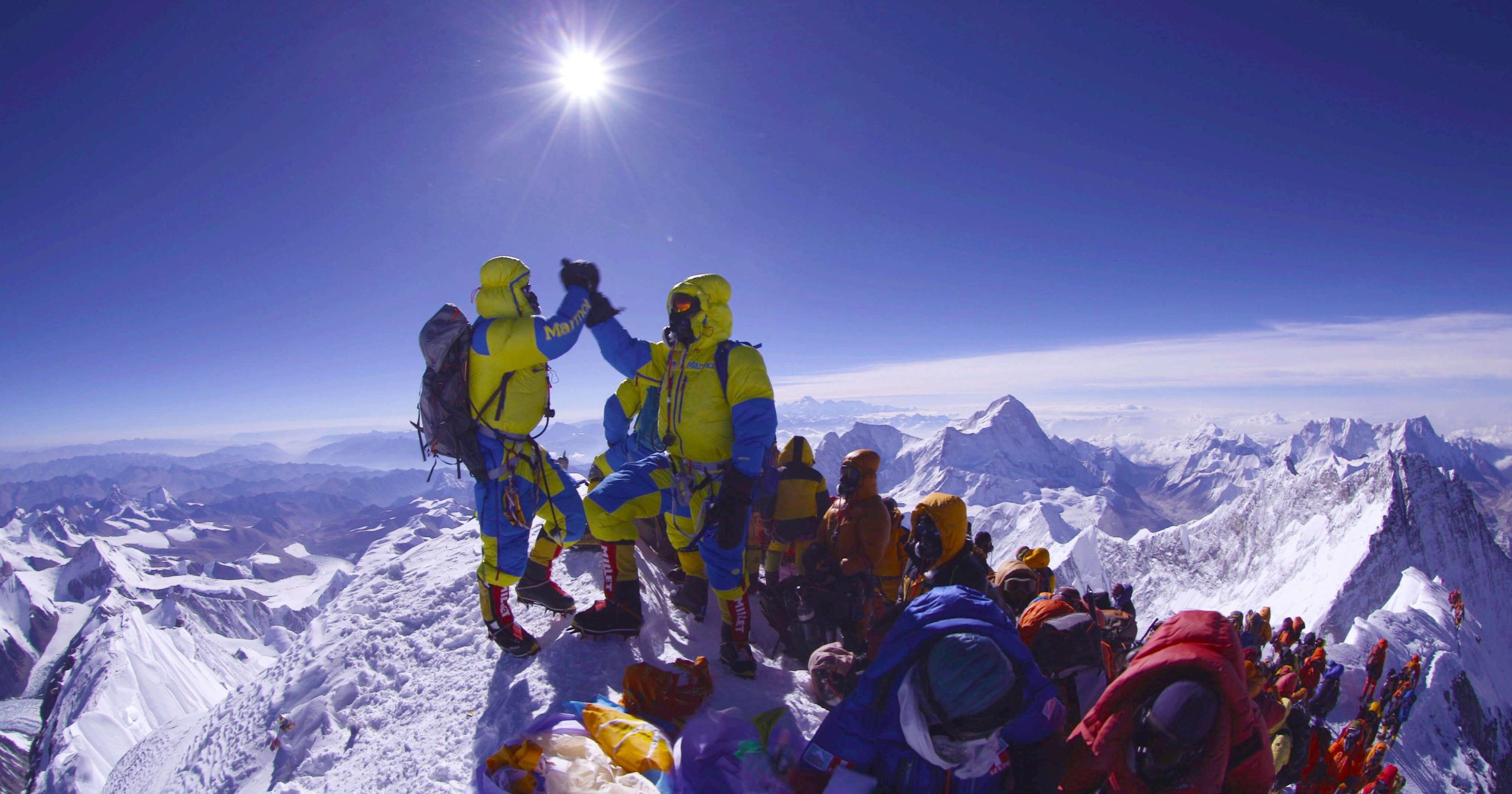
Betar was under the impression that Global Rescue only specializes in emergency medical evacuation from remote corners of the world. And that’s not his fault. Because of the unique (and sometimes extreme) medical evacuations heavily covered in the media for adventure-travel types — think mountaineers seeking to bag their next big summit to paragliders, cave divers, heli-skiers, hunters and anglers — it’s natural to assume that’s what we do exclusively.

But there’s a lot more to Global Rescue than dramatic helicopter rescues. From enterprise travel risk management, information and destination intelligence and emergency evacuation to general advisory services, Global Rescue’s services are broad, comprehensive and essential.

Competitive Analysis_LP

What does Global Rescue do and how might it apply to your unique travel situation? How are our operations centers structured, and who’s answering the phone when a member calls? Here’s an overview.

Not Just Reactive, But Proactive Services

reactive-versus-proactive-services

Global Rescue may be better known for our reactive services, meaning, when a member experiences a serious emergency during travel, they contact us to get the life-saving help they need. Depending on the level of severity, the situation may require an evacuation or extraction of the individual.

There are two types of emergency reactive situations:

  • Medical Emergency: When a member becomes severely injured or sick (including COVID-19), they contact our medical operations team to get the care and transport they need. “It could be from the side of a mountain to the nearest clinic or medical facility, where they will be evaluated, stabilized and we determine what follow-on care is required,” Bush said. “Then, if additional hospitalization is required, we get them all the way home.” If necessary, Global Rescue will also deploy a paramedic, nurse or physician bedside to help oversee the care provided and coordinate an evacuation.
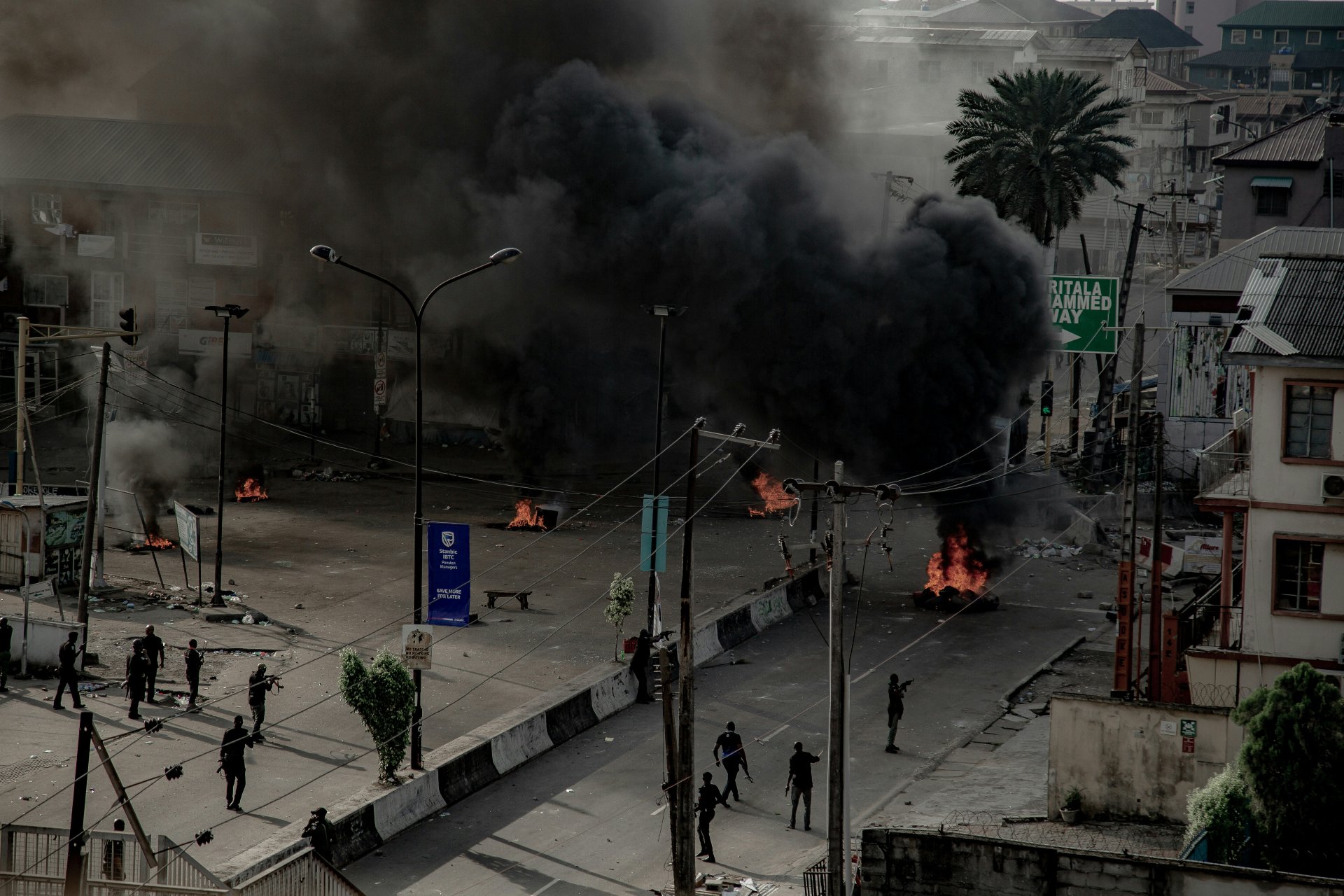
  • Security Emergency: If a member encounters an unforeseen natural disaster, civil unrest or armed conflict and cannot evacuate on their own, our security operations team helps you get home — or to a safe location and then home. Our security services are available as an upgraded membership.

“That’s the reactive part of what we do — meaning an incident happens, you call us and we help you get out of trouble,” said Bush, who served 20 years in the U.S. Special Operations forces and 12 years in international and corporate travel security. “But we don’t want you to get into trouble in the first place, so that’s why we also have all the non-emergency advisory and support services for both before and during your travel. This is the proactive part of what we do.”

There are two types of non-emergency proactive services:

  • Prior to Travel: Global Rescue’s intelligence team maintains detailed destination reports for 215 countries and principalities, which members can access through the My Global Rescue app, to assist with their research prior to traveling. Our upgraded security memberships also include security advisory prior to travel. “Give us a call, and we can have a direct discussion,” Bush said. “You might be surprised to learn satellite phones are illegal in India. If you bring one, you could be arrested or fined.”
  • During Travel: What if you’re traveling and you simply have a medical question? “You might develop a rash, but it’s not something you necessarily want to go to an emergency room for in a place like Botswana,” Bush said. Contact us anytime — 24/7/365 — and get medical advice and support you know you can trust. Global Rescue can also help locate coronavirus-capable hospitals and testing facilities.

We also offer advisory services related to general travel questions: visa and passport issues, translation, legal locators and real-time security events that may unfold during your trip.

Who’s on the Line When You Call

operations-phone

No matter your situation — emergency or not, medical or security — you call just one number and one number only: +1 617-459-4200. This is the number you should program into your cell or satellite phone (you can also contact us via the My Global Rescue app). It’s also a good idea to have this number written down (it’s located on your Global Rescue membership card) in case your phone dies or breaks.

Your call will always be answered by an on-staff employee, specifically one of our Member Services associates, which include former 911 operators, customer support analysts, dispatchers and more. Member services personnel will ask a few questions to transfer you to the appropriate contact in one of the following operations departments:

  • Medical Operations: In the case of a medical emergency or question, you speak directly with a registered critical care paramedic, all of whom are overseen by our team of medical directors. We also work with board-certified physicians, clinicians and specialists from Elite Medical Group and the Johns Hopkins Emergency Medicine Division of Special Operations.

    “Our doctors specialize in all sorts of things: emergency medicine, high-altitude medicine, infectious disease and more,” Bush added. Whatever your issue, we have a doctor with the appropriate medical specialty.

  • Security Operations: In the case of a security emergency or question, you’ll speak directly to a team that is made up of veterans of the military special forces community, including former Navy SEALS, Green Berets, Pararescuemen, Army Rangers and Intel Officers.

    Not only does the team’s background include military experience in every major conflict from Desert Storm to the Syrian civil war, but they have enterprise-level security experience. “This is very, very important to understand the needs of our corporate clients and consumer members,” Bush said.

Our member services team and integrated medical and security operations are all based in-house in Global Rescue’s international operations centers. That means there is no call center — you speak with a real medical or security expert immediately to get the care or answers you need.

Have More Questions About Our Membership?

Fire away: That’s what our member services team is trained for. We’re available 24/7/365 to take specific pointed questions related to anything — our COVID-19 services, how we differ from our competitors, what is field rescue, how our membership differs from travel insurance.

Share This:

Why “Life Moment” Travel Is Big in 2022

New research from Google has revealed that meaningful travel with a rise in celebrating “life moments” (milestone birthdays, anniversaries, retirements, etc.) is one of the key travel trends in 2022. We take a look at…

New research from Google has revealed that meaningful travel with a rise in celebrating “life moments” (milestone birthdays, anniversaries, retirements, etc.) is one of the key travel trends in 2022. We take a look at the trend with commentary from our Safe Travel Partners.


Many major life moments related to the relationship of Shane Jones and his wife Barbara Haight have been celebrated by a trip to Prague.

“We first went there as friends years ago, and it’s where we fell in love,” said the founder of Worldwide Adventure Guides, a North Carolina-based adventure travel company he and Haight founded in 2015. “So, on a subsequent trip, it’s where I proposed to her.” In 2008, it’s where they had their wedding and where they’ve celebrated every landmark anniversary since (including one for the “seven-year itch” that 42 friends attended).

“Life moment” travel — the act of celebrating or marking a major achievement or life change with travel — is hardly new. Jones and Haight are proof of that. So are the countless number of honeymoons taken since the late 1800s.

What is new is people are going to be planning more of these trips in 2022, according to new Google research. What exactly is the point of life moment travel, and why is it on the rise?

Why Life Moment Travel?

Photo-by-Har-Rai-Khalsa_Global-Rescue-photo-contest_2021

Photo © Har Rai Khalsa, a winner of the Global Rescue 2021 Photo Contest

Kalon Surf, a luxury surf resort set on Costa Rica’s Osa Peninsula, where the Pacific Coast meets the rainforest, has always been a popular place for guests celebrating life achievements. They’ve been visited by guests celebrating a career change, have organized 30-year wedding anniversaries with the whole extended family in tow and have been the site of milestone birthdays as well as retirement travel. Recently, they even hosted one famous individual who was celebrating the end of some judicial procedures.

[Related Reading:
10 Post-Pandemic Destinations We’re Dreaming About]

“When you combine a vacation with a big achievement, you’re locking the memory of that achievement in, rather than just letting it go by,” said Kjeld Schigt, Kalon’s owner and director. “That’s important for people. I had to learn that myself. I had to learn to celebrate achievements. I think doing it in trips like this is an excellent way because it is about paying tribute to whatever you’re celebrating and giving it the right space and memory to do so.”

Why on the Rise? 

Ubuntu-Travel

Photo courtesy of Ubuntu Travel

According to that Google study, more than half (56%) of Americans are likely to participate in a life moment such as a wedding, a move or a new job at some point in the next two years. Of that same group, 78% are considering travel related to those moments.

And you can bet it’s associated revenge travel — pent-up demand to travel freely again (or as freely as can be under COVID restrictions).

“Milestone celebrations have always been a big part of our business, but we’re seeing many guests inquiring about adventures that have been on their bucket lists for quite some time,” said Jenna Chase, director of operations for Ubuntu Travel, a travel agency specializing in luxury, bespoke African safari tours. “After many lockdowns and years of isolation, we’ve found guests are eager to start creating memories and conquering their travel bucket lists.”

[Related Reading:
7 Off-Beat Bucket List Trips]

Kalon Surf’s Schigt agrees.

“Because of COVID, people kind of woke up and said ‘Life is short, anything can happen, so why wait?’” he said. “Enjoy those moments as much as you can. Take those experiences, and no one can ever take them away from you. They continue to be a memory, they continue to live on.

Safe Travel Partners and Life Moment Travel

photo-by-Avi-Sion-Global-Rescue-photo-contest_2021

Photo © Avi Sion, a Global Rescue 2021 Photo Contest submission

Jones and Haight don’t just plan their own regular life moment trips to Prague. They also plan travel for others through their company, Worldwide Adventure Guides, which specializes in trips to destinations like Kilimanjaro, Everest Base Camp, Ecuador and Machu Picchu, where the duo has developed close connections with the community over the last 30 years.

“Anytime anyone wants to go on an adventure is great,” said Jones. “But it really means something special to me when they let us know it’s for a big birthday or a retirement. It’s something they’re going to remember for the rest of their lives, so I have to admit, it puts a little pressure on us. But if we can make it all the more special, the better.”

Chase of Ubuntu Travel admits it’s just as exciting for their team as it is for their clients. 

“We had the pleasure of assisting a few surprise engagement proposals recently — one happened just a few months ago that was very exciting,” she said. While the woman reached out to plan the trip, the soon-to-be fiancé followed up behind the scenes to work with the family-run travel company for a surprise sunset safari proposal.

“I remember going into the office the day he was doing it, and we were all abuzz waiting for him to send pictures,” she said. “It brought so much joy to our day. Celebrating these milestones can be just as memorable for us. We love seeing the experience through others’ eyes.”

Share This:

Travel Alerts and Why You Need Them

Every day on our social media platforms, Global Rescue posts a number of events that may affect your travel. What is this information, where does it come from and how do you use it? Global…

Every day on our social media platforms, Global Rescue posts a number of events that may affect your travel. What is this information, where does it come from, and how do you use it? Global Rescue intelligence experts explain the importance of travel alerts.  


Have you seen travel alerts on Global Rescue’s social media platforms? Every day, Global Rescue posts a number of events — from transportation strikes to earthquakes to COVID-19 restrictions — that may affect travel. Here’s a sampling: 

Travel Alert: A magnitude 7.3 earthquake struck off the coast of Fukushima. The epicenter of the quake was located 66 kilometers (41 miles) east-northeast of Namie and 96 kilometers (60 miles) southeast of Sendai. A tsunami warning has been issued. Avoid the affected area and expect possible disruption to travel and essential services. 

Travel Alert: In Finland, 25,000 nurses affiliated with Union of Health and Social Care Services and Finnish Union of Practical Nurses are participating in a nationwide strike. The work stoppage is expected to impact services in several hospital districts. Continue to monitor local media for up-to-date information.

What is this information, where does it come from, and how do you use it? Global Rescue intelligence experts explain the importance of travel alerts.

Travel Alerts, Defined

Travel alerts, also called event reports, aim “to inform members of incidents in their area of travel that could affect their trip, cause an inconvenience, put them at risk of physical harm, or could potentially leave them stranded,” said Kent Webber, senior manager of Intelligence Products & Services at Global Rescue.

Travel alerts are issued for incidents of:

  • Violence (terrorism, shootings, clashes, etc.)
  • Environmental events (earthquakes, floods, mudslides, storms, etc.)
  • Health issues (COVID restrictions, disease outbreaks, etc.)
  • Infrastructure events (bridge collapses, large scale power/internet outages, fires, building collapses, airport issues, etc.)
  • Civil unrest (strikes, protests, demonstrations, etc.)

“Events must meet specific threshold criteria, for example, we don’t report on earthquakes under 6.0 or earthquakes occurring in the middle of the ocean that do not impact travelers,” Webber said. “There are always exceptions – if an earthquake under 6.0 causes massive destruction, death, injuries or tsunamis, we will issue an alert.”

Travel alerts are compiled by Global Rescue’s in-house Intelligence team.

“We run a virtual 24/7/365 ‘Intelligence Watch’ that combs the internet for information relevant to travelers. How and where we get our information is proprietary,” Webber said. “Although we are all generalists, we have team members with regional expertise: Middle East, Eastern Europe, Latin America and Asia.”

Where to Find Travel Alerts

where-to-find-travel-alerts

In addition to travel alerts, the Global Rescue Intelligence Team publishes destination reports. Destination reports provide information for 215 countries and principalities, including an overall risk assessment and detailed evaluations of health and security risks, general information about the country, and emergency contacts.

Global Rescue members are able to access more information on the destination reports than what is provided by the abbreviated travel alerts on social media. To find travel alerts, members should click on destination reports, select the continent on the left and the country on the right. An overview appears at the top of the page.

Alerts are listed in the middle column, and members can read the summary or click on “full story” to read the entire report.

In the right column, a map with flashing circles (green: low risk, yellow: moderate risk, orange: high risk, red: extreme risk) provides a visual location of events countrywide.

“We typically publish 30 to 40 travel alerts in a 24-hour period,” Webber said. “Some alerts are continually updated. For example, one day in March, we published six reports (one initial, five updates) on the earthquake in Japan in addition to our other travel alerts.”

All members may access destination reports by logging into the membership portal or the My Global Rescue app.

Pre-Travel Preparation and During Travel Awareness

Croppedphotoofbusinessmanwearingsuitholdingsmartphoneandwalkingwithsuitcaseinhotellobby

Say you’re traveling to Finland and you learn nurses will be on strike nationwide for an undetermined period of time. What does this have to do with you?

If you’re traveling with a health risk, this strike might be a matter of life and death if you can’t afford a delay in care. If you’re planning an outdoor activity — like trying Finland’s newest extreme sport called ice karting, driving go-karts with studded tires on iced-over circuits — you may also want to consider the nursing strike. 

“Members can use the information as part of trip planning, as a way to structure activities during travel (avoid places where demonstrations are occurring), seek guidance during an emergency, or respond appropriately to an incident to avoid inconvenience or harm,” Webber said.

Global Rescue event travel alerts also provide extra detail and guidance to help you make your travel decisions.

“Our reports provide analysis: Is this common or unique? Why is this happening? What can we expect in the short term? What is being done about it?” Webber said. “Our intelligence experts also offer mitigation advice, such as ‘avoid a certain area’ or ‘comply with instructions from local first responders’.”

Alerts, Notices and Advisories

Other government agencies also publish alerts. The Centers for Disease Control and Prevention (CDC) issues travel health notices about current issues impacting travelers’ health in destinations around the world. The U.S. Department of State posts travel advisories online and provides free service, the Smart Traveler Enrollment Program (STEP), allowing U.S. citizens traveling or living abroad to receive the latest security updates from the nearest U.S. embassy or consulate.

“STEP’s security alerts tend to be more general (criminal activity likely to spike over the holidays) or higher-level events, such as a recommendation that all U.S. persons exit a given country due to a given occurrence,” Webber said.

Compared to state department travel alerts, Global Rescue offers a more personalized approach to travel planning and during-travel awareness.

“We seek to report on levels and types of incidents in a more specific, tailored manner to provide our members with useful information that can improve their travel experiences by keeping them informed and able to make appropriate decisions,” Webber said.

The Global Rescue Advantage

App-phone-mock-up_web

Consumer members log in to the member portal and view travel alerts on a destination report. Enterprise members receive travel alerts via email by setting up their preferences in GRID, an online intelligence system for businesses and nonprofits. When employees are traveling, risk managers or HR managers can “tailor the alerts they receive according to location, type of incident and severity, so they get the information they most need to see,” Webber said.

Not a member? Global Rescue posts abbreviated travel alerts on Facebook, Twitter and LinkedIn two or three times daily and, this spring, on our Travel Information Center. The Travel Information Center is the ultimate hub of resources — health, security, weather, to name a few — to serve as a one-stop travel information source. It will also host a Risk Map, with risk ratings related to civil unrest, terrorism, crimes, diseases and more.

Categories:

News
Share This:

Pandemic Travel Revival

Categories:

News
Share This:

Mitigating duty of care risks of digital nomad employees

Share This:

How to Avoid Being a Victim of Crime When Traveling

If you look like a tourist when traveling, then you could be making yourself out to be an all-too-easy target. Here are five surefire ways to reduce the risk of being pinpointed by scammers, pickpockets…

If you look like a tourist when traveling, then you could be making yourself out to be an all-too-easy target. Here are five surefire ways to reduce the risk of being pinpointed by scammers, pickpockets or thieves.


What makes travel so exciting — the chance to immerse yourself in a wonderful, yet unfamiliar, new place — is also what can make us so vulnerable.  

“Criminals like confused, distracted and inattentive targets,” said Harding Bush, manager of security operations at Global Rescue.

security to Competitive Analysis

Show even the briefest flash of vulnerability — i.e., fumbling with your bags, being glued to your phone — and you might as well have a lit-up sign with the word “tourist” pointed down at your head. In fact, statistics show it takes around seven seconds for a criminal to select their target. You read that right: just seven seconds.  

“Criminals may also dismiss or move on to an easier target just as quickly, meaning that looking aware is critical,” added Bush, who served 20 years in the U.S. Special Operations forces and 12 years in international and corporate travel security. “By being aware of what makes a criminal pick their target, you can reduce the risk of them pinpointing you. It’s knowing how to not look like a tourist.” 

Here are five essential tips from Bush to present yourself as a difficult target.  

1. Be Unpredictable 

be-unpredictable

Do not have an established, predictable pattern. “Being predictable makes you an easier target,” said Bush. “The criminal will have the advantage of knowing where you will be and when you may be most vulnerable, increasing their advantage.” 

Being unpredictable on vacation is easier than when traveling for business. When you are on business, you can adjust your movements around set times. You may have to be at the office or in a meeting at a specific time, which is out of your control, but how you get to the office and what you do along the way is something you can adjust to create more unpredictability.  

2. Recognize Unusual or Suspicious Behavior

This is an essential part of practicing situational awareness. (What is situational awareness? Check out our blog “How to Be Your Own Security Team.”) Nearly every sort of crime requires surveillance, which is when criminals observe potential victims for characteristics that make an easy target. People’s attire, body language and behavior should be consistent with where they are and what they are doing. If you can recognize the surveillance, you can avoid it.

For example, uniformed building maintenance crew should not appear lost in their own building. A bike messenger should not get out of a taxi and a jogger shouldn’t stretch on a street corner for 30 minutes. Although these examples do not necessarily indicate surveillance, they require a second or extended look.

And if you do see something suspicious, always remember to say something. “We all have a responsibility to report suspicious incidents to help prevent terrorist or criminal activity,” said Bush.

[Related Reading: Suspicious Activity?
See Something, Say Something — And Exactly What to Say
]

3. No Fumbling. Ever.

woman-on-train-platform-looking-over-her-shoulder

“Don’t fumble around with your bags or documents, especially in crowded areas with many travelers, like airports, train stations and city centers,” said Bush. “It makes you look confused and inattentive.”

For example, be prepared with the appropriate documents or information when approaching a ticket counter, flight schedule board or hotel desk. If you want to buy a coffee or give a tip, have the equivalent of a few dollars — in local money — in your pocket, so you don’t have to go fishing around in your wallet (and accidentally flaunt your wealth, too).

4. Don’t Unknowingly Give Away Information

Again, any intel or information a thief can easily glean only aids with their surveillance. Make sure any luggage tags with your name or address aren’t exposed and be wary of company logos on clothing or luggage. Make sure to limit discussion with your travel partners that could be overheard and provide insight for targeting, times, places, etc. Also, be cautious of people asking for specific information without having a real apparent need for that information.

5. Carry Yourself With Confidence  

carry-yourself-with-confidence

Never walk too slowly, shuffle along, or look aimless — these are markers of uncertainty, indicating you are out of your element. Rather, Bush says to walk with “purpose and confidence:” Your back straight and with a smooth stride. Criminals will instantly think not to mess with you.  

For reference, this NBC article goes into even greater detail, illustrating exactly how you should walk — and how you shouldn’t. 

Global Rescue as an Emergency Backstop

Nobody wants to imagine an emergency abroad. Maredith Richardson certainly didn’t plan for it when her passport was stolen by a purse snatcher in Paris. But because she had Global Rescue, she was able to have it replaced in mere days (our services include streamlining the process to replace a lost or stolen passport or visa), whereas standard government processing is estimated to take up to six weeks. That’s just one of the perks of a Global Rescue membership.

Share This:

A Travel Story: A Medical Evacuation for the Bends in Belize

When a member developed the skin bends — a version of the decompression sickness known as “the bends” — during a diving trip to Belize, Global Rescue medical operations moved quickly to get her the…

When a member developed the skin bends — a version of the decompression sickness known as “the bends” — during a diving trip to Belize, Global Rescue medical operations moved quickly to get her the medical evacuation she needed. Here’s her adventure travel story from start to finish.


Scuba diving opens the undersea world to certified divers and Belize is one of the most sought-after destinations for an underwater adventure. When Texas resident Kristin Stanford and her husband visited Belize, they planned several dives in the Turneffe Atoll.

Stanford was scuba-certified three years ago and made successful dives in The Grenadines and Cancun, Mexico.

“We chartered with reputable dive operators in both cases and had our divemasters to guide our dives,” she said.

Diving With Sharks

Stanford was eager and anxious about her trip to Belize.

The atoll’s western side features shallow reefs perfect for novices and casual divers, according to Dive the World. The southern and eastern regions of the atoll are suited for seasoned divers and highlight shipwrecks, drop-offs and channels. It is home to an amazing range of sea turtles, manatees, crocodiles, sharks and rays making it a priority destination for veteran scuba divers.

“We had read that the shark population was on the rise as the fishing of sharks had been banned in the last couple of years. I was nervous but excited at the same time,” she said.

No Activity Restrictions to Competitive Analysis

The couple dove four different sites including; Permits Paradise, Three Amigos, Bull Dog and Lefty’s Ledge. The duo saw interesting and beautiful aquatic life, such as the Green Turtle, Spotted Eagle Ray, Reef Shark, Porcupine Puffer Cubera Snapper, Banded Coral Shrimps, Garden Eels, a large school of Yellow Tail Snapper, Spiney Lobster, Rainbow Parrot Fish, Spotted Moray Eels and Channel Clinging Crabs.

Things Gradually Go Wrong

On Stanford’s first dive she had trouble with a brand-new buoyancy control device (BCD) — a vest-like device that lets you adjust your floatation allowing you to remain  on the surface comfortably, kneel or stand on the bottom or drift along effortlessly mid-water, observing the scenery.

“I had trouble with maintaining buoyancy. I was unable to complete the three-minute safety stop before popping up to the surface. I did not feel any effects at the time and indicated to the boat captain that I felt fine,” she said.

[Related Reading:
Best Cave Diving Trips and Safety Tips]

Stanford went on a second dive without trouble. When the dive was finished, she and her husband returned to the resort. Unfortunately, within an hour, Stanford experienced severe itching and a burning sensation on her abdomen and the left side of her stomach. Later, a dull, aching pain started on the outsides of her thighs.

“I chalked it up to knocking about with a dive tank on my back and getting in and out of the boat in moving currents,” she said.

“I had put a seasickness patch behind my ear that morning. My husband and I attributed most of my condition to an allergic reaction to that patch. So, I removed it and continued with my day.”

The next morning, Stanford felt well enough to go on the two dives scheduled for that day. She didn’t experience any new symptoms. However, once she returned to the resort, the divemaster and resort manager visited her and asked about her condition.

“The divemaster had concerns about my dive experiences and my well-being. I explained the burning sensation in my abdomen and showed them the rash on my side,” she said.

an-example-of-skin-bends

Stanford saw their reaction and knew something wasn’t right.

“I had never heard of skin bends before and did not know that it was a sign of decompression sickness. That is when things kicked into gear, and we called Global Rescue,” she said.

Skin bends — cutis marmorata — show up as a rash that spreads irregularly and deepens in color to become mottled, cyanotic patches. Global Rescue medical operations moved quickly. Following a consultation with the treating physician, Global Rescue ordered a medical evacuation rescue flight to transport Stanford to a medical appropriate facility with a hyperbaric chamber and specialist doctor in San Pedro, Belize.

Treating the bends is not easy. Elevation changes alter the pressure on your body and dangerously aggravate decompression sickness. “If I had not gone that very night, we would have also had to delay our departure for home due to the length of time one must have between final treatment and flying commercial above 1,000 feet,” she said.

Glad to Have Global Rescue

Stanford knew she had no time to waste once the treating team confirmed decompression sickness. “It is a scary thought of what more could have happened with my condition if I had delayed treatment much longer. Bends can present itself neurologically if gone untreated,” she said.

Stanford underwent decompression treatment and fully recovered before returning home.

Stanford has been a Global Rescue member since 2019. “My husband read about Global Rescue in The Wall Street Journal. He had taken a trip to Thailand the year before, where he became certified to scuba dive. He thought it would be a great idea to have this type of protection for medical emergencies,” she said.

The couple was impressed with the quick and professional response by Global Rescue.

“The good communication with Global Rescue assured me they were on top of managing the operation and my treatment,” she said.

Fully recovered, Stanford says when her experience inevitably comes up in conversation with her friends and family, she would vouch for Global Rescue membership without hesitation. “We would recommend Global Rescue to travelers. Global Rescue has repeatedly checked on my well-being after returning home from Belize. Great and caring service which is much appreciated,” she said.

Whether you’re open water scuba diving, snorkeling or free diving remember to plan, prepare and get a Global Rescue membership. Unlike other providers, Global Rescue memberships do not exclude or restrict adventure activities — like cave diving, open water scuba diving, snorkeling or free diving — from membership. We don’t exclude any activity whether it’s skydiving, BASE jumping, heli-skiing or anything else. It’s part of our No Restrictions approach to travel, and that includes COVID-19, too.

Categories:

Press Release
Share This:

Great Scott! What a Shot!Dartmouth-Hithcock Medical Center Features Global Rescue Travel Photo Contest Winners

Lebanon-based Travel Risk Company Celebrates Resilient Spirit and Enduring Strength Through International Travel Images Since the Pandemic    Lebanon, N.H. – March 31, 2022 – Following 24-months of extraordinary travel restrictions, challenges and prohibitions due to…

Lebanon-based Travel Risk Company Celebrates Resilient Spirit and Enduring Strength Through International Travel Images Since the Pandemic   

Lebanon, N.H. – March 31, 2022 – Following 24-months of extraordinary travel restrictions, challenges and prohibitions due to the COVID-19 pandemic, an international collection of images on display at the Darthmouth-Hitchcock Medical Center (DHMC) captures the irrepressible soul and abiding toughness of travelers who have ventured near and far.

“Research shows patients who have dynamic, colorful art available to them heal faster. Scientists have also found that images of nature can actually reduce pain, anxiety, stress and boost the immune system. The Global Rescue international photo contest exhibition showcases the resilient and enduring spirit of people around the world as they face the challenges of the pandemic,” said Marianne Barthel, DHMC director of the Arts and Humanities Program.

“Everyone was impacted by the pandemic, some more severely than others. Travelers were, and are, eager to fight back to regain their family vacations, business trips and adventure travels,” said Dan Richards, CEO of Lebanon-based Global Rescue, the world’s leading provider of medical, security, evacuation and travel risk management services. “The flexibility and toughness demonstrated by travelers and the travel and tourism industry can only be defined as resilience.”

The annual Global Rescue photo contest began in 2013 to showcase the amazing expeditions and journeys of travelers.

“Amateur and professional photographers from all over the world submitted nearly 500 images for consideration in the 2021 Photo Contest. While all were outstanding, the 24 images on display serve as the most moving testaments to traveler tenacity during the pandemic,” said Chelsea Bakos-Kallgren, an award-winning graphic designer and design head for Global Rescue.

  • The Global Rescue Travel Photo Exhibition at the DHMC’s Williamson Translational Research Building runs from April 8 to June 27, 2022.

  • DHMC’s Williamson Translational Research Building, located at One Medical Center, Lebanon, NH, is open at all times.

  • Entry to the exhibit is free and open to anyone with a scheduled medical appointment, visitors for patient(s) in the hospital and caregivers for an outpatient visit. Parking is available.

  • Call 603-643-4120 for details.

The contest featured four categories: togetherness, landscape, outdoor activity and animal travel companions.

  • The grand prize winner and first place winner of the Togetherness category was Mithail Afrige Chowdhury for his photograph “COVIID-Negative Celebration” – a Bangladeshi birthday celebration for a 12-year-old girl who had just beaten her battle with coronavirus.
  • Skier and photographer Chuck Evans sacrificed a ski run to capture his winning image in the Landscape category. “Pure Bliss” captured Evans’ friend and professional skier, Ricky Ceccant, during an April 2021 heli-ski trip to Haines, Alaska.
  • In the Outdoor Action Category, first place was awarded to Har Rai Khalsa, an Oregon native who grew up snowboarding, windsurfing and surfing and later fell in love with photography in high school. His photograph – “Immersed in Brazil” – depicts a submerged Italian windsurfer, Greta Marchegger.
  • “Best Friends” by Joshua Tobey – a wildlife sculptor whose work is on display in four states – won the Animal Travel Companion category. During a September 2021 family trip in Wyoming’s Green Mountain, Indy – a Parson Russell terrier – climbed up and perched on the shoulder of a family member who was tracking elk using binoculars.     

“The photographers found strength, spirit, courage, character, flexibility and determination in their subjects during a time when we all needed it,” Richards said.   

The judges’ panel included: Mark Edward Harris, who has visited and photographed in more than 100 countries; Lydia Schrandt, who serves as the first chair of the Editors Council of the Society of American Travel Writers; Paul Shoul, photographer for GoNomad.com; and Bakos-Kallgren.

“The resilience captured in these images highlights the flexibility and toughness of travelers during a period when the whole world shared the same challenge,” said Michael Holmes, VP Marketing at Global Rescue.   

About Global Rescue   

Global Rescue is the world’s leading provider of medical, security, evacuation, and travel risk management services to enterprises, governments, and individuals. Founded in 2004, Global Rescue has exclusive relationships with the Johns Hopkins Emergency Medicine Division of Special Operations and Elite Medical Group. Global Rescue provides best-in-class services that identify, monitor, and respond to client medical and security crises. Global Rescue has provided medical and security support to its clients, including Fortune 500 companies, governments, and academic institutions, during every globally significant crisis of the last two decades. For more information, visit www.globalrescue.com. 

Contact: Bill McIntyre at bmcintyre@globalrescue.com or 202.560.1195 (phone/text) for more information.  

Share This:

Would These Train Crashes Ever Happen IRL? 

No matter what streaming service you use, you are bound to find a movie involving train travel. From hijackings to crashes to robberies, there always seems to be some type of dramatic emergency or fatal…

No matter what streaming service you use, you are bound to find a movie involving train travel. From hijackings to crashes to robberies, there always seems to be some type of dramatic emergency or fatal accident on a subway or train. Using examples from hit movies, we ask Global Rescue travel experts if these situations would ever happen in real life. 


From Alfred Hitchcock (Strangers on a Train) to westerns (Butch Cassidy and the Sundance Kid) to crime movies (The Great Train Robbery), there’s always some drama happening aboard a train on the big screen.

What’s the fascination with locomotives? And why are so many of them portrayed as a dangerous method of transportation?

In reality, you’re more likely to die in a motor vehicle accident (1 in 107 chance) than during train travel (1 in 243,756). Railroad deaths and injuries have been on the decline for years. According to the National Safety Council, railroads deaths in the United States have decreased 12% in 2020. The same decline in accidents is also happening in Europe, decreasing 32% between 2010 and 2019.

security to Competitive Analysis

And that decrease is happening with train passengers on the rise — today’s travelers are interested in traveling responsibly and sustainably, and train travel is a great option. Studies show communities invested in public transit reduce the nation’s carbon emissions by 63 million metric tons annually.

If you’re about to step off the platform into a train or subway car, Global Rescue travel experts break down the possibility of a mishap and what to do if one happens.

The Fugitive (1993) and Super 8 (2011)

In The Fugitive, Dr. Richard Kimball, suspected of murdering his wife, is being transferred to a new jail facility when the bus loses control and careens off the road down a hill — and lands on a train track. And, yes, a train is coming. In Super 8, a group of teenagers is making a movie when a truck, driven on to the tracks by their biology teacher, rams the train head on and spectacularly derails it.

It’s a common theme in movies, because it’s easy to picture a car, bus or some other obstacle on a train track. According to the U.S. Department of Transportation, there are about 5,800 train-car crashes each year in the United States, most of which occur at railroad crossings. These accidents cause 600 deaths and injure about 2,300.

Without another vehicle on the tracks, derailments are rare. In the last decade, Amtrak has averaged 24 derailments annually, according to the Federal Railroad Administration, down from 43 derailments occurring annually in the previous decade. Most derailments are caused by track, mechanical or human factors — including snow, ice or mud on tracks, improperly lined switches and speeding — and do not result in injury or death.

If your train derails, Global Rescue operations experts offer this advice:

  • Locate the closest (and second closest) exit to your seat on both sides of the train.
  • Keep in mind the nearest exit may not be the most accessible.
  • Do a visualization rehearsal of going to the exit, and what or who might impede you from getting to that exit.
  • Read the emergency exit instructions.
  • Take guidance from train and emergency personnel.
  • If it’s safe, once outside the train, offer help with guidance from emergency crews.

subway safety

The Taking of Pelham 123 (2009)

Businessmen with briefcases and track suit-wearing travelers with duffle bags look like innocent passengers waiting to board Pelham 123 in the busy New York City subway system. But in a matter of seconds — and out of the view of security cameras — they’ve pulled guns and hijacked the subway train, taking everyone on board hostage.

Would this be possible? In theory, yes. Law-abiding New Yorkers need a pistol license to carry concealed outside the home or place of business. This permit needs to specify, however, the transportation mode, specifically a subway, bus or rail system. There are five different types of permits from most restrictive to general permissive. So, technically John Travolta and his gang of criminals could have loaded weapons handy, depending on the permit.

Permitting aside, there’s no TSA-like security or X-ray machines in NYC subway stations.

Overall, terrorist attacks on passenger rail transportation are statistically rare events in the developed world — only about seven attacks per year are carried out in all of the economically advanced countries combined.

Active shooter (one or more individuals actively engaged in killing or attempting to kill people in a populated area) incidents are also rare; the FBI designated 40 shootings in 2020 as active shooter incidents. Whether you are in an open space or an enclosed space, like a train, the safety protocol is the same: run, hide or fight. Check with your transportation provider for emergency contact information. Amtrak, for example, has a police department 1-800 number as well as a text option, which they advise using when it is safe to do so. 

Hugo (2011)

Orphan Hugo Cabret is looking for a heart-shaped key to help him unlock a message from his deceased father. He sees it on the train tracks at Gare Montparnasse railway station in Paris, France — just as a train is coming into the station. The engineers do not have enough time to stop the train and it seems to drive right over Hugo, past baggage claim, a dining area, a newsstand and out the station’s enormous glass window.

This train crash — a terrifying dream sequence in the movie — is based on a real-life accident at Gare Montparnasse in 1895. Based on historical photos, movie makers recreated the scene down to the second. The engineer, late coming into the station, held off on applying the brakes at several waypoints. When it comes time to use the brakes, neither the Westinghouse brakes nor the hand brakes can handle the weight and speed of the train. The train crosses the concourse and crashes through the station’s front façade, landing on its nose on the street below.

The average freight train, 90 to 120 rail cars in length, moving at 55 miles per hour can take a mile or more to stop after the engineer fully applies the emergency brake, according to the Minnesota Safety Council. Train braking systems differ country by country, but today’s trains primarily use a continuous braking system with brakes set up and connected throughout a train. Air and vacuum continuous brake architectures have improved over the years with multiple braking systems, more safety features and scheduled inspections. Later Positive Train Control technology was installed on passenger and freight routes and reduced the number of human error-caused accidents by automatically stopping or slowing a train.

Planes, Trains, and Automobiles (1987) 

All you want to do is get home to your family for the holiday. But travel can be tricky, especially in a 1987 movie like Planes, Trains and Automobiles. A flight that is supposed to land in Chicago, Illinois is rerouted to Wichita, Kansas due to weather. Del Griffith and Neal Page, two travelers who keep crossing paths on this ill-fated trip, end up taking a train (which breaks down in Missouri), catching a bus to St. Louis, setting fire to a rental car, and hitching a ride in a refrigerated tractor trailer. To top it off, their cash is stolen at the motel.

Global Rescue travel experts offer these suggestions to keep your cash — and credit cards —safe:

  • Clean out your wallet before traveling, especially if you have one packed with cards and receipts. Bring only the cards you need for travel; there will be less to replace if it is stolen or lost.
  • It seems like a good idea to use only plastic while traveling — but what if you forgot to notify the bank of your whereabouts and you’re without funds on a weekend and the banks are closed? “It’s smart to have a handful of cash ($200 to $300) on hand,” said Harding Bush, manager of operations at Global Rescue.
  • The amount of cash you need is relative to the duration of the trip and the potential need. If you are carrying a large amount of cash, more than $300, don’t keep it all in your wallet. Divide it up: leave some in your wallet, put some in your pocket and store a bit in your hotel safe.
  • Make sure small bills are handy. You don’t want to go digging through a wad of cash for tip money or small purchases, like a bottle of water.

Travel Protection for Any Scenario

Almost anything can happen on the movie screen — and in real life. Stay protected with a Global Rescue travel protection membership. No matter where you go in the world, members have access to 24/7 medical and security advisory services and support.

Share This:

Mission Briefs: February 2022

Every day, Global Rescue personnel are involved in medical, security and travel operations worldwide. Here are highlights from some of our most recent operations in various locations.

Photo © Seyed Mohammad Tabrizi, a Global Rescue 2021 Photo Contest submission

Before the war between Russia and Ukraine, the pandemic recovery signals were loud and clear. Three-quarters of the U.S. population had received at least one vaccination shot, and 64% were fully vaccinated. COVID-19 cases had fallen in every state. Deaths and hospitalizations from the disease were decreasing and the omicron variant was not as serious as originally feared. Countries like the U.K. dropped all COVID-19 restrictions. New Zealand, Denmark, Norway, Sweden and others opened up their borders. Nearly every U.S. state had dropped its mask mandates.

As pandemic fears subsided, new concerns about travel returned after the Russian invasion of Ukraine. In the week since Russia invaded Ukraine, people searching for international travel dropped by 12 percentage points but regained more than half of that loss in the days following, according to Kayak, the online travel agency and metasearch engine. To mitigate travel safety fears, travelers are purchasing Global Rescue security service plans that provide emergency evacuation capabilities when they are in danger from insurgent attacks, terrorism, civil unrest and natural disasters. Traveler requests for non-medical security evacuation services jumped 31% since the Russian invasion of Ukraine.

Global Rescue continues to answer the needs of travelers at home and abroad without any disruption of service. In a typical 30-day period, Global Rescue executes hundreds of operations in dozens of countries and principalities. Below are highlights from some of our most recent operations in various locations.

The Bends in Belize 

Great-Blue-Hole-in-Belize

A 60-year-old member from Texas was scuba diving in Turneffe Island, Belize. The area is famous for dives exploring the Sayonara Wreck, the Elbow and the Great Blue Hole — which was made famous by legendary oceanographer and diver, Jacques Cousteau. Unfortunately, the member experienced a diving emergency that was later confirmed to be “skin bends” — a condition resulting from decompression sickness. The condition is formally called cutis marmorata and shows up as a rash that spreads irregularly and deepens in color to become mottled, cyanotic patches. The member’s husband contacted Global Rescue medical operations team. Following a consultation with the treating physician, the member was medically evacuated off-island by air to a medical facility, where she underwent decompression treatment and fully recovered before returning home.

Sudden Cardiac Arrest in Costa Rica

While traveling to San Jose, Costa Rica a member suffered a cardiac emergency and needed an emergency pacemaker implanted. Following a few medical complications, the member recovered sufficiently and was moved to a step-down unit until discharge. Global Rescue physicians concurred with the treating physician’s recommendation for a medical escort. Global Rescue’s medical escort was deployed to the member’s bedside, assisting him in his return to home to Austin, Texas, where he was admitted to his home hospital of choice for further care and recovery.

Renal Failure in Mozambique

coastline-of-Mozambique

Following a diagnosis of renal failure and cerebral malaria, a Global Rescue member was medically evacuated by ground and air from Beira, Mozambique, to a hospital capable of handling his care in South Africa. The transports were successful and the member began receiving treatment for the condition.

Slip and Fall in Kenya Requires Surgery

An accidental slip and fall during a walk in Kenya led to an injured wrist for a Global Rescue member. A local clinic splinted the injured wrist, but the facility did not have X-ray capabilities. The closest medically appropriate facility was more than four hours away by ground transportation over rough roads.. Global Rescue assessed the situation and arranged for a charter flight for the member. The member was evaluated at a Nairobi hospital where X-rays confirmed a complete left distal radial fracture requiring surgery. Global Rescue’s medical team recommended an upgrade for the member’s return flight to her home hospital of choice in the U.S. to receive the necessary surgery. The member arrived safely and scheduled an appointment with an orthopedic surgeon.

Field Rescue From the Amazon Forest

Amazon-Rainforest

During a trip in the Amazon Forest, a member contacted Global Rescue after experiencing numbness, tingling, pain and loss of grip in the right hand. Despite taking over-the-counter pain relief medicine the member’s pain progressed and his symptoms increased. Global Rescue medical staff determined that an immediate field rescue flight from Rio Brancoto to Manaus, Brazil, was needed for evaluation of the member’s condition. The member was successfully evacuated and admitted to a local hospital for evaluation. A cervical spine CT (computed tomography) scan showed disc protrusion and compression on two vertebrae. The member was discharged with a medical recommendation to seek further care from a spine specialist. Global Rescue physicians concurred and arranged for business-class commercial air transport to the member’s home hospital of choice.

Twisted Knee After Aconcagua Summit

After successfully summiting the tallest mountain in South America, a Global Rescue member fell while descending from the peak. She sustained an injury to her right knee and was unable to walk. Aconcagua’s peak rises 22,837 feet/6,960 meters above sea level, making any descent a challenge. A helicopter field rescue was ordered and the member was successfully evacuated and brought to a hospital in Mendoza, Argentina, where she was evaluated. The member received a prescription for medication and was advised for a follow-up appointment in a week.

Ruptured Hemorrhoid During Summit Attempt

Aconcagua in Argentina

Climbing one of the highest mountains in the world is a challenge under any conditions. But when a member is weakened during a summit attempt due to bleeding hemorrhoids then the challenge of an ascent becomes medically dangerous. That’s what happened to a Global Rescue member from the Netherlands during a climbing expedition at Aconcagua, Argentina. Global Rescue immediately ordered an airborne field rescue by helicopter. The member was evacuated to a hospital in Mendoza, where the treating physician performed an exam and determined the member had a ruptured hemorrhoid. After the bleeding had lessened considerably, the member was discharged from the hospital and prescribed bed rest for a day. The member recovered fully and returned safely to her home.

Share This:

Debunking the Longest Walk in the World

Learn why this route is more fiction than fact, and the immense challenges that make it nearly impossible to accomplish.

We were all looking for ways to get a few extra steps in during the start of the pandemic. But one individual, Reddit user cbz3000, took it to a whole new level when he (or she) posted a route now thought to be the longest walkable road in the world.

Stretching 14,334 miles (23,068 kilometers), the route snakes from Cape Town in South Africa to Magadan in Russia by way of the Suez Canal, Turkey, Central Asia and across Siberia. We’re talking a rambling path crossing a grand total of 16 different countries — no aircrafts, boats or ferries required (just open roads and bridges).

Within a short period of time, the longest walk in the world took the internet by storm, being shared across sites like Nerdist, Explorersweb, Skratch, among dozens of others. The consensus was if you were to walk eight hours a day with no rest days, it would take 562 days to complete. And with an elevation change of 123,000 meters, it’d be like climbing up and down Everest 13 times.

Still, despite the path’s online popularity, there have yet to be any known takers of this traverse.

“It’s not that walking this distance is impossible,” said Jeffrey Weinstein, a medical operations supervisor at Global Rescue. “But there’s a big difference between something being doable and something being accomplishable. There are just so many complicating factors to this trek, it would be extremely unlikely anyone would be able to accomplish it.”

A map of the world's longest walkable route.
The world’s longest walkable route.
The post (pictured above) that took the internet by storm garnered close to 900 comments on Reddit — some praising cbz3000 for this impressive mapped-out feat, others calling it “suicide with extra steps…a lot of extra steps.”


Global Rescue’s Perspective

Global Rescue is a company all about providing support to those who want to travel the world to accomplish the tough and challenging. It’s why we’re the preferred travel protection provider for adventure types, from mountaineers seeking to bag their next big summit to paragliders, cave divers, heli-skiers and beyond. But when it comes to the longest road in the world to walk, Weinstein elaborates on why it’s outright outlandish.


Planning Would Be Next To Impossible

You would be walking through 16 different countries, which means you need to apply for visas or entry permits for all. “Not all countries are going to be visa on arrival, and vaccination requirements for all are going to be different,” Weinstein said.

And just because this route was made on Google Maps doesn’t mean it considered border crossings. “You can’t just stroll into a new country,” Weinstein noted. “You need to go to a border crossing and you’ll likely have to go off route.”

How about the survival equipment you plan to pack, say a hatchet, knife, fire starter or satellite phone? Due to fluctuating temperatures, terrains and changes in food availability on the way, these would be essential items. But which countries are going to allow you to actually possess them? That’s another level of research.

“The amount of pre-planning and logistics that would have to go into this are huge,” Weinstein added. “It’s an absolute logistical nightmare.”


Packing Would Be a Nightmare

A backpacker looks toward a low sun across a field.

“There’s a lot of equipment you would have to bring in order to do this,” Weinstein said. “What you’re going to need for shelter in the African Sahara is going to be very different from what you’ll need in the Russian tundra.”

Not to mention, how do you pack enough medical gear to support yourself against the vast amount of contingencies you could face? “Whenever you go somewhere remote, little incidents can become big issues fast,” he said. You’re simply not going to be able to pack all the medication and equipment to treat every little thing that could arise.

What about when your shoes wear out? Shoe manufacturers recommend consumers replace their hiking boots every 350 to 500 miles depending on usage. Are you going to pack multiple pairs of boots? There’s probably not going to be many opportunities to hop off trail and resupply in a nearby town. “You’re going to be traveling through vast areas of nothingness,” Weinstein said, “and probably for weeks at a time.”


[Related Reading: The Best Survival Kit]

So Many Risks Along the Route

Hypothetically, say you could fully prepare and pack everything you need (not to mention, you’re a major endurance athlete able to handle this kind of physical undertaking). One of the biggest problems is the risk factor associated with animals and other people potentially encountered along the way. For example, Zimbabwe is home to the black mamba, one of the world’s deadliest snakes. Uganda has the highest number of recorded cases of malaria in the world. South Sudan is one of the most dangerous countries in the world, plagued with armed robberies, assaults and kidnappings. Syria is witnessing a civil war. And that’s just the tip of the iceberg.

“You would be walking through poverty-stricken, third-world countries,” Weinstein said. “There’s a risk for people stealing from you, you being taken advantage of, kidnapped or killed. It doesn’t matter how well you plan or pack or prepare, there are just too many risks outside of your control.”


Other Common Hindrances

Language barriers, having to change currency, staying hydrated in places with low water tables or unclean water — these are all additional complicating factors you’d have to account for. And, as a direct result of overexertion, there’s a chance of life-threatening injury and illness, too.

“When you exert yourself for long periods of time, it opens up a world of potential complications – hyponatremia and hyperkalemia (which, respectively, are low-salt and high-potassium levels in your blood and can result in cardiac issues), rhabdomyolysis (death of muscle tissue, which can damage the heart and kidneys), and even confusion and disorientation,” Weinstein noted. “No doubt you’d have to be a top-tier athlete to even attempt something like this, but these are common concerns endurance athletes face.”


Realistic Long Distance Hikes

A man pauses while hiking up a dirt road in the Alps.
The views are enough to give anyone pause while hiking in the Alps.

There are, of course, more realistic long-distance walks and thru-hikes to make around the world. While they still require a precise level of planning, preparation and training, unlike the longest walkable road in the world, the following are actually accomplishable.

  • The Appalachian Trail, United States – Ranked as one of the best U.S. thru-hikes along with the Pacific Crest Trail and the Continental Divide Trail, the Appalachian Trail (better known as just the A.T.) is a 2,180-mile (3,500-kilometer) footpath that traverses scenic, wooded and pastoral land across 14 states from Maine to Georgia.
  • The Inca Trail, Peru – Situated among a network of 25,000 miles (40,000 kilometers) of Inca trails, this 28-mile (45-kilometer) section is certainly the most famous, undulating through high passes, stone staircases and ruins before culminating in the ancient citadel of Machu Picchu.
  • The Arctic Trail, Scandinavia – Located right above the Arctic Circle, this 500-mile (800-kilometer) trail passes through Finland, Sweden and Norway through river valleys, open arctic tundra and mountainous terrain. It’s considered one of Europe’s least-traffic backpacking trails.
  • Rim of Africa, South Africa – Linking existing trails across the Cape Mountains at the southern edge of Africa, this 400-mile (650-kilometer) traverse follows rugged crests and valleys from the Cederberg to Outeniqua mountains.
  • Lebanon Mountain Trail, Lebanon – Running down the backbone of the country from the Syrian border in the north to the Israeli border in the south, this 293-mile (470-kilometer) highland corridor connects more than 70 mountain villages, UNESCO World Heritage sites and four nature reserves.

[Related Reading: Pro Tips for Hiking Safety]


Find yourself planning a trek someday? Whether close to home or far away, go with Global Rescue. Not only can we pluck you from whatever precarious situation you find yourself unable to get out of on your own — and do so fast — but because, without us, a medical evacuation for illness or injury could cost you a pretty penny. Under our membership, you never see a bill.

Categories:

Health & SafetyTravel
Share This:

How to Avoid Illness When Traveling

The absolute worst time to catch that cold? While you are away from home. But there are plenty of ways to avoid illness abroad, and Global Rescue medical experts have put together a list of…

The absolute worst time to catch that cold? While you are away from home. But there are plenty of ways to avoid illness abroad, and Global Rescue medical experts have put together a list of seven tips to help you stay healthy when traveling. 


Adults get an average of two to three colds a year. Children have six to ten colds a year, and people older than age 60 usually have one cold annually.

What is one of the worst times to catch that cold? While you are away from home.

People who travel overseas have up to a 50% chance of suffering a travel-related illness, most of it minor. But a minor complaint can turn into a serious illness. For example, the most common travel illnesses are traveler’s diarrhea, E. coli diarrhea, malaria and influenza, according to Johns Hopkins Medicine.

It would be nice if you could prepare for every scenario — including an injury or an illness — that might happen during travel. But there’s no way you could plan for traveler’s diarrhea, a sprained ankle, a broken arm, altitude sickness, snow blindness, the common cold or even COVID-19 before your trip. (And even if you could, there’s no first aid kit that big.)

Covid-Services_web-page2

The fear of illness while traveling shouldn’t deter anyone from adventure and exploration. There are many steps you can take to stay healthy and avoid illness abroad. Global Rescue medical experts put together a list of seven tips to help you stay healthy when traveling.

Consult Your Doctor Prior to Traveling

visit-doctor-before-travel

All travel should start with a travel health consultation.

“A pre-travel doctor visit should check your overall health and ensure you are fit to travel,” said Jeff Weinstein, medical operations supervisor at Global Rescue. “This is especially important for older individuals with chronic medical conditions.”

Bring any health research with you to your visit: any illnesses currently in season in the area you’re traveling to and what vaccinations you might need prior to your trip.

“Consult your doctor about obtaining medications to mitigate the specific risks of the area you are traveling to, for example, malaria prophylaxis for a country with a higher risk,” Weinstein said. “Also ensure you have the appropriate vaccines: COVID-19, Yellow Fever, etc.”

Wash and Sanitize Your Hands Frequently and Thoroughly

Something as simple as washing and sanitizing your hands regularly can make the difference between a great, relaxing trip and a nightmare. It depends on the virus, but common cold symptoms usually show up two to three days after exposure. With the flu, you could be spreading germs 24 hours before you show symptoms.

The majority of health care professionals agree that good hand-washing with soap and water is the best way to sanitize your hands and protect against germs. However, if you are in a place where you cannot wash your hands, hand sanitizer is a good alternative. If you are going to be using hand sanitizer, make sure it has at least a 60% alcohol content or it may not be as effective as desired.

Weinstein also recommends sanitizing frequently used devices such as cell phones, laptops and keyboards. “Try to stick to your normal shower routine as well,” he said. “Keeping yourself clean will reduce the risk of viruses and bacterial infection.”

Stay Active

It can be hard to find free time to work out and stay active while traveling. Luckily, there are little things you can do on the road to stay moving and maintain good circulation.

For long-distance travel — extended car, train, bus or plane trips — get up and walk around, exercise your legs and stay hydrated.

“Moving and getting up and walking during long periods of travel can get the blood moving and help to prevent deep vein thrombosis (DVT) or clots from forming, especially in the elderly or those with already compromised circulation,” Weinstein said.

Don’t forget to stretch before and after a physically demanding trek or activity.

“This can prevent injury and even help mitigate soreness and maintain mobility,” Weinstein said. “Stretching is a great idea for travelers who aren’t normally as active, for example, warming up your muscles before walking for a longer period of time than you usually do.” 

Stay Hydrated

stay-hydrated-safe-travel

Stay hydrated throughout travel is important — and key for air travel or when climbing, hiking or exploring at an altitude. It’s also important during warm weather and extreme heat.

“Replace fluid and electrolytes, especially during strenuous activity,” Weinstein said. The same is true for traveler’s diarrhea or any GI issues: replacing fluid and electrolytes can help you avoid a larger medical issue.

Experts suggest drinking at regular intervals, avoiding sugary drinks and alcohol, and trying coconut water for the extra electrolytes.

Get Plenty of Sleep

Your sleep patterns may be off schedule during a trip. It’s important to make sure you get enough sleep.

“A lack of sleep can impede decision-making capabilities and predispose you to illnesses,” Weinstein said. “When you’re traveling, you are also often enclosed in small spaces, such as planes or busses, with a lot of other people — exposing you to illnesses others might be carrying.”

If you find yourself jet-lagged and unable to adjust to the new time zone, avoid alcohol and caffeine, which disrupt sleep. Johns Hopkins Medicine suggests syncing up with the local schedule as best as you can, but follow the two-day rule: if your trip is less than two days, keep to your normal schedule.

Each traveler has his or her own preferred ways of dealing with jet lag and not all methods will work for everyone. Try what works best for you — even if it means attempting to adjust your sleep patterns before embarking on your journey.

Remember a First Aid Kit

first-aid-kit-travel

Bring a first aid kit, tailored to your activities and your destination, with you when you travel. A minor injury, like a blister, could turn in to a major issue — an infection or even sepsis. Having what you need on hand, even if it is a Band-Aid or moleskin, might make a big difference.

Don’t Neglect Your Mental Health

Make time for meditation, relaxation, nature walks — whatever makes you happy. If you don’t travel often, you may get stressed during your trip, such as being on time for your flight or navigating traffic in a new location. Adjust your itinerary so you’re not always on the go.

Global Rescue memberships include personalized advisory services, 24/7/365 emergency assistance and evacuation services at no additional cost to you. Learn more about the benefits of a travel membership.