Share This:

Working in the World’s Hot Spots

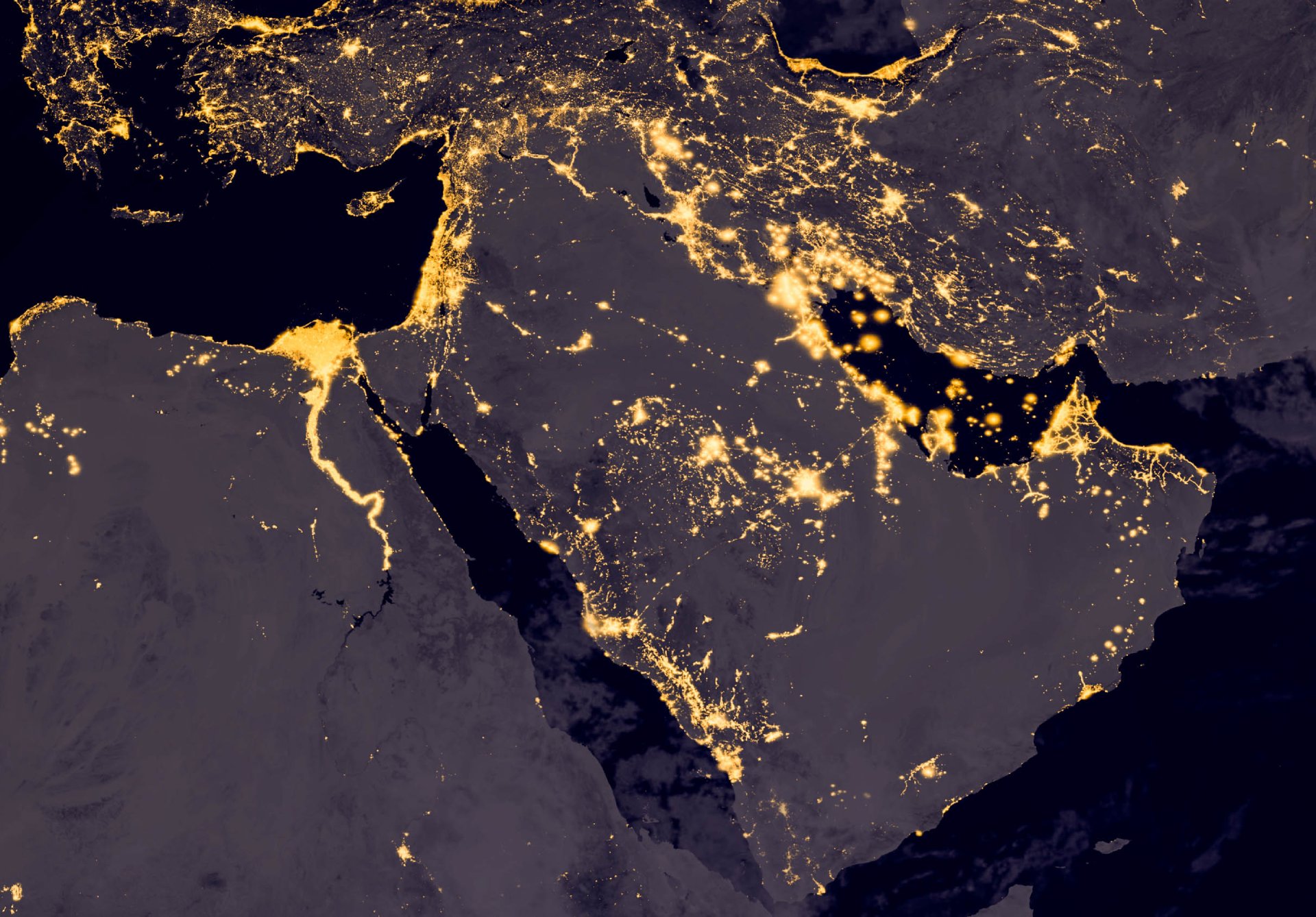
Working in challenging regions of the world is always risky. Global Rescue helps businesses navigate these travel risks to keep employees safe, protect their reputation and meet their bottom line.

The risks of travel seem bigger and more likely these days. Global Rescue can help your business navigate these travel risks to keep your employees safe, protect your reputation and meet your bottom line.


The world is a different place in 2023. From the COVID-19 endemic to civil unrest to armed conflict, instability and unpredictability are the new norm. But travel has more than recovered following COVID’s interruption, and business travel is booming, too…including to the most austere places in the world.

For those that work in one of these known “hot spots” — areas affected by limited infrastructure or environmental or geographical challenges — your situation is unique. For one, you can’t just stop when things get risky. Work may need to continue on the construction site, oil rig or in the corporate office.

But what if some place turns into a hot spot while you’re there?

“Sometimes it’s not a hot spot, and the next day it is,” said John Morris, director of account management at Global Rescue. “Getting the advice you need to leave when a situation suddenly becomes risky is huge. It can protect your people, but it also protects you from reputational harm.”

Harding Bush, security operations manager for Global Rescue, knows well the risks and pitfalls companies may face while working in hot spots. He is a former Navy SEAL and worked for an oil company in Yemen during the Arab Spring.

[Related Reading: Situational Awareness While Traveling on Business]

Based on his experience — 20 years in the U.S. Navy SEALs, 12 years in international corporate security and four years with Global Rescue — Bush identified some unique situations companies may face if they’re operating in a hot spot:

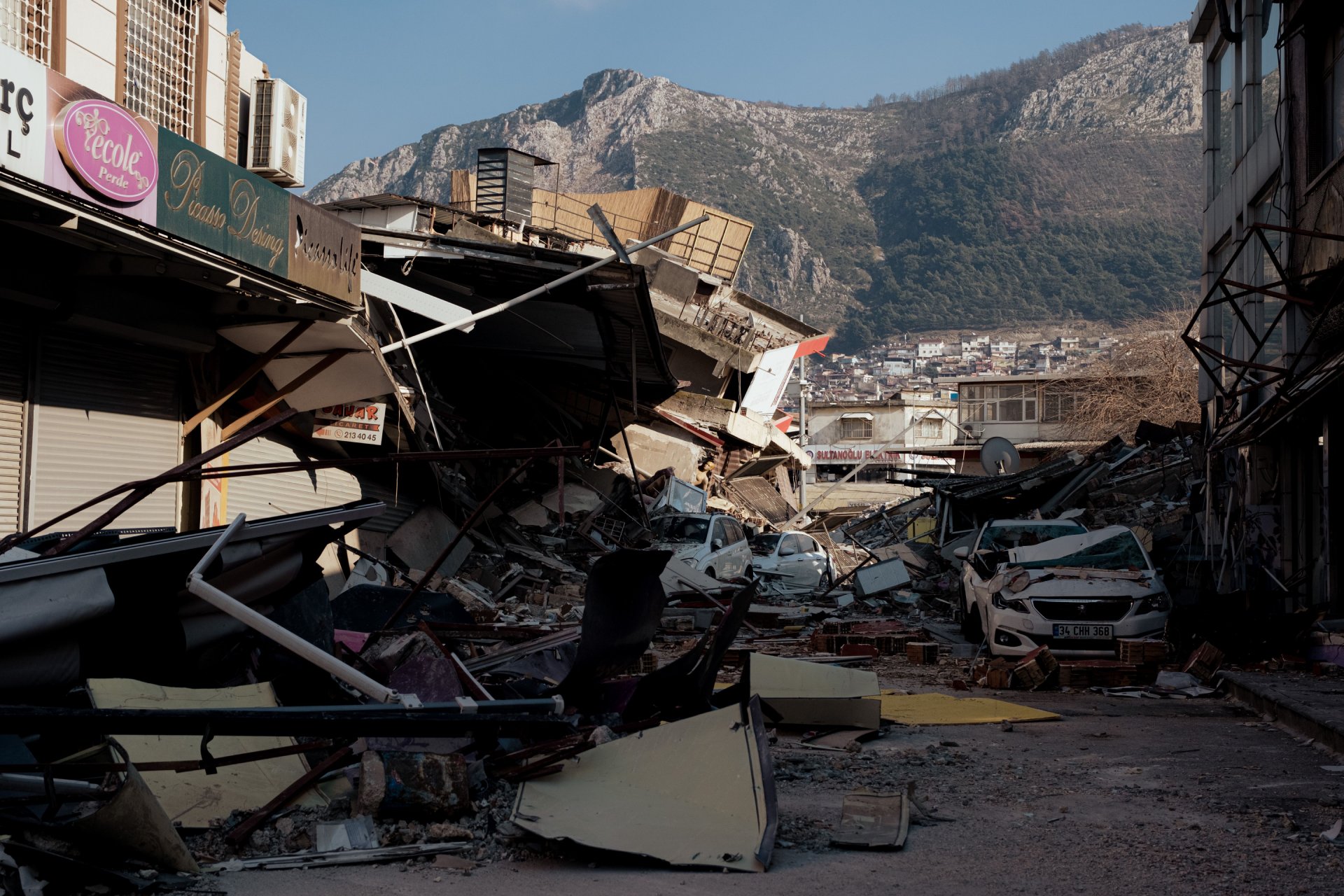
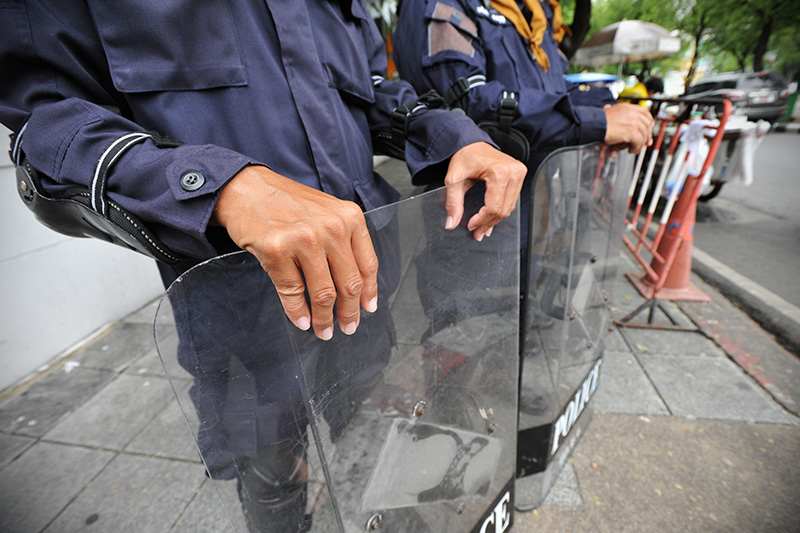
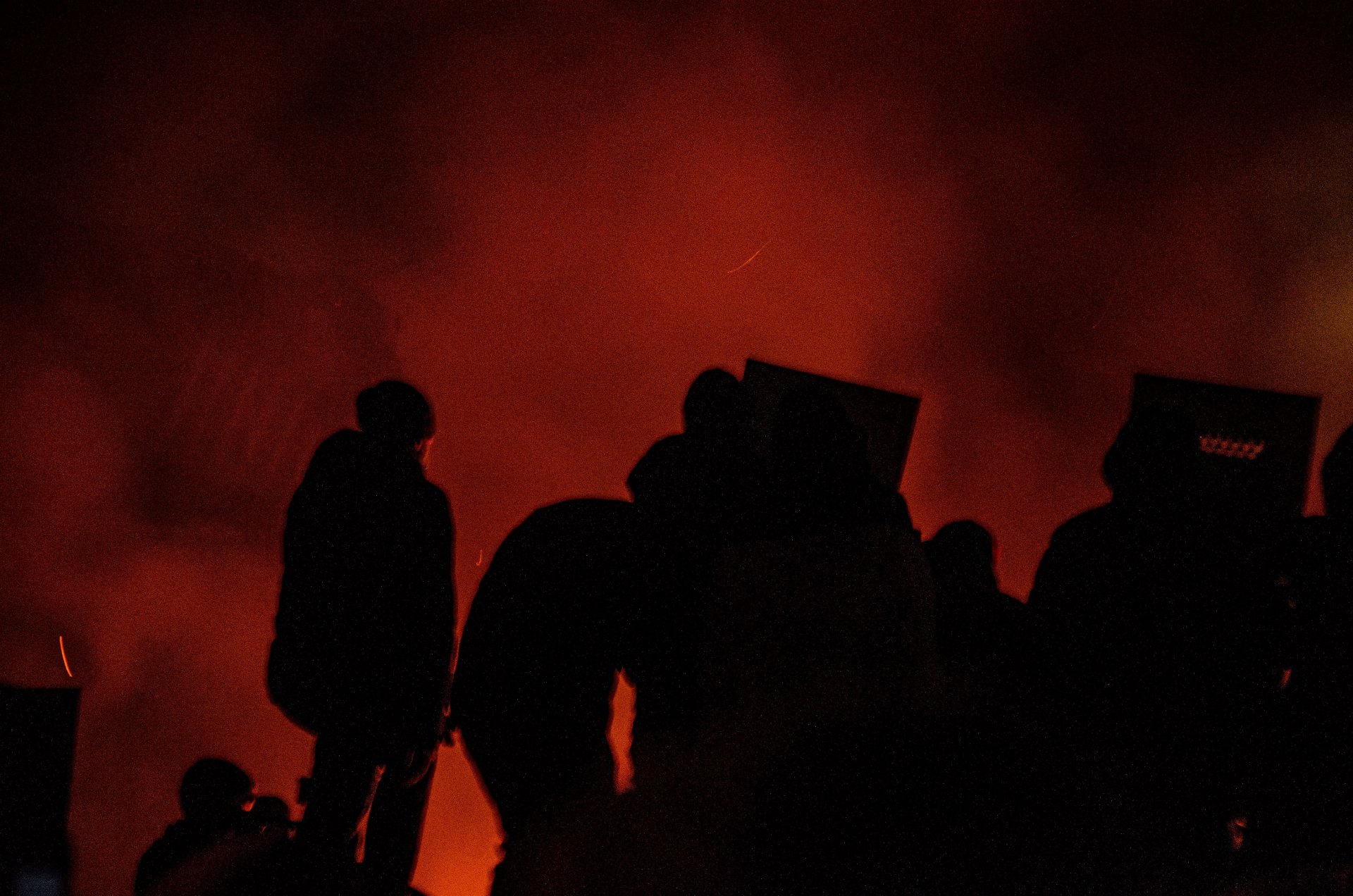
  • Civil unrest: “There was extreme civil unrest during the Arab Spring, and the government and military response intersected with where our company was operating in the capital city of Sana’a,” he said. “The protest and response activity significantly restricted the company’s mobility; employees could not travel between their homes and the office. The airport was often inaccessible.” 
  • Limited and unreliable infrastructure: Many remote areas rely on generators, which then rely on fuel deliveries, which rely on local drivers who must traverse unpaved roads in poorly maintained vehicles.  
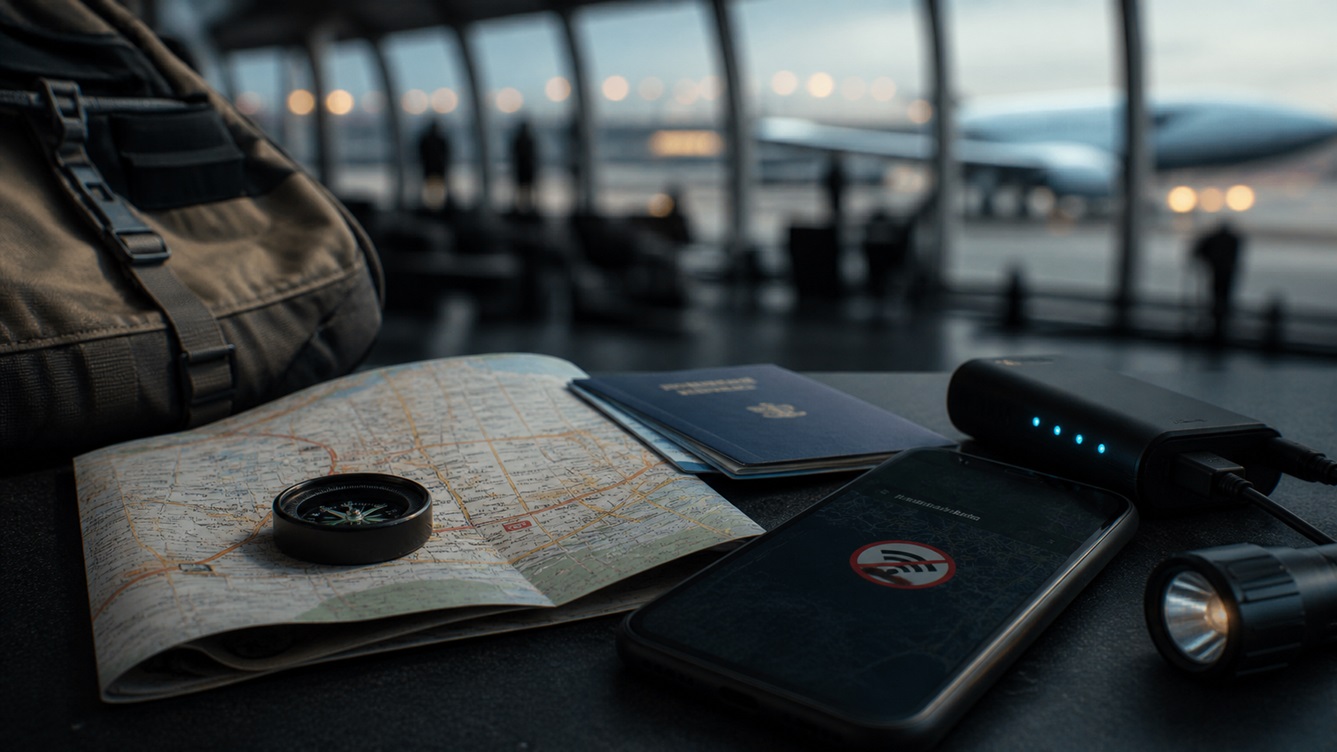
  • Communication difficulties: Local cell service can be poor and, in some cases, the government may be monitoring communication. While in Yemen, Bush’s team worked around this through satellite internet, satellite phones, messaging devices and trackers. “Especially when transiting longer distances in remote regions, the ability to stay in touch with security personnel and organization leadership enhances overall awareness and safety,” he said.
  • Local laws: “Tribal disputes that included armed conflict were also a threat in the field,” Bush said. “Tribal warfare would often break out between local tribes and the weapons used were modern and deadly: artillery, rockets and armored vehicles. While this is not typical for most global companies, it does emphasize the importance of how local issues can affect company safety and productivity.”
  • Corruption: Sometimes what a corporation views as corruption could be regular business in the country. But just because it’s accepted doesn’t relieve the company of its anti-corruption standards.
  • Differing safety standards: “Good safety is good security. Safety standards in many parts of the world are nowhere near what they are in the U.S. or other first-world regions. This can enable and restrict production. Vehicle safety is a massive concern as vehicle accidents are a major cause of overseas injuries and deaths. Things like poor or limited maintenance, limited fuel, poor roads and lack of standard safety are commonplace — this can be a time-consuming and expensive challenge,” Bush said.
  • Medical emergencies: Should a medical emergency happen, it can often become difficult to find the right health care in a hot spot. In addition, the availability and standards of health care may not match what is needed to help injured or sick employees.

Facing the Risks with Confidence

Egypt-civil-unrest

There’s a mountain of risks that come with doing business in a hot spot. If your company doesn’t yet have a risk manager, it’s time to invest in these critical services. Companies need someone with the experience to tell you what’s possible. Someone who understands the risks and can think strategically to help you work around them, or avoid them altogether.

Enter Global Rescue. We are former Navy SEALs, Green Berets, Army Rangers and Intelligence Officers. Not only does our background include military experience in every major conflict from Desert Storm to the Russian invasion of Ukraine, but we have enterprise-level security experience in the world’s most austere regions. And we bring that experience to bear as we help you plan and execute your trips.

Let’s get into the specifics of what our travel risk management services look like, from planning to execution and the unexpected events in between.

TIC Landing Page

Pre-Travel Planning

Each time your employees embark on business travel, it takes fresh analysis of the destination and the potential risks on the ground to set them up for success. A unique, deep-dive into the risks associated with each trip is possible with Global Rescue’s destination reports.  

Destination reports include event alerts, which “inform members of incidents in their area of travel that could affect their trip, cause an inconvenience, put them at risk of physical harm, or could potentially leave them stranded,” said Kent Webber, senior manager of Intelligence Products & Services at Global Rescue. 

Access to Global Rescue’s travel risk intelligence is available before, during and after travel. 

During Travel Awareness

“When Russia invaded Ukraine in 2022, we had a group of university students studying in Russia,” Morris said. “We kept them and their supervisors back at home informed and advised as the conflict unfolded.” 

GRID℠ — Global Rescue’s proprietary, online intelligence system for businesses and nonprofits — gives business managers specialized insights into their employees’ travel. This information is crucial when venturing into a hot spot or, in this case, when your students suddenly find themselves in one. When employees are traveling, risk managers or HR managers “tailor the alerts they receive according to location, type of incident and severity, so they get the information they most need to see,” Webber said. 

Through GRID, businesses and organizations will be able to track their employees’ progress, keeping a finger on the pulse of the environment in their surrounding area, allowing them to act nimbly should an event occur.

“At first we thought Russia would not be as impacted,” Morris said. “But then the sanctions came, disrupting banking in Russia. Soon our clients wouldn’t be able to access their accounts. That was a telephone call: ‘Pack your bags. Get to the airport. Get out now.’”

When the Unexpected Happens

Harding-Bush-OpCenter-flights

The beauty of working with Global Rescue is that when the unexpected happens — and we’ve seen it all — we are ready with the help you need.

“Many competitors are fractured,” said Morris. “They have the intelligence but they sub out the medical. Global Rescue has medical, security and intelligence together, working side by side, all collaborating on the problem at hand to make sure we get the best possible outcome for our members.”

Our “one team” in-house approach equips us to get the help you need — fast. Global Rescue is the only company of its kind that does not outsource critical travel intelligence, medical or security services.

“This is very, very important to meet the needs of our corporate clients and consumer members,” Bush said.

When a member becomes severely injured or ill (including COVID-19), our medical operations team helps them get the care and transport they need.

“It could be from the side of a mountain to the nearest clinic or medical facility, where they will be evaluated, stabilized and we determine what follow-on care is required,” Bush said. “Then, if additional hospitalization is required, we get them all the way home.”

[Related Reading: A Stomachache Turns Deadly Serious in Liberia]

If a member encounters an unforeseen natural disaster, civil unrest or armed conflict and cannot evacuate on their own, our security operations team helps you get home — or to a safe location and then home.

“That’s the reactive part of what we do — meaning an incident happens, you call us and we help you get out of trouble,” said Bush. “But we don’t want you to get into trouble in the first place, so that’s why we also have all the pre-travel advisory and support services for before and during your travel. This is the proactive part of what we do.”

An example: When journalists from a global news media franchise were in Russia and Ukraine, Global Rescue assisted in the extraction of one journalist from Russia and provided security advisory services to the others in Ukraine to keep them safe based on troop movements and combat. As they filed their stories, they would check in with Global Rescue’s operations team to find out where they should — and shouldn’t — travel.

“Many people think of helicopters when they think of us,” Morris said. “But we’re just a phone call away to answer any questions you have, no matter how trivial they might seem.”

Categories:

News
Share This:

Post-Pandemic Traveler Lessons Learned

Share This:

SURVEY: Traveler Blunders, Cruising and Business Travel Rebound 

The newest Global Rescue survey of the world’s most experienced travelers uncovered post-pandemic shifts in travel mistakes, renewed confidence in cruising and a steady rebound in business travel.

In early April, U.S. President Joe Biden signed a bipartisan congressional resolution ending the COVID-19 national emergency after three years. Less than a month later, the World Health Organization Director-General determined that COVID-19 is an established and ongoing health issue that no longer constitutes a public health emergency of international concern.  

These official acts confirmed what many travel experts anticipated, leading them to predict that travelers would re-engage in 2023 and boost global tourism by 30%. The newest Global Rescue survey of the world’s most experienced travelers uncovered post-pandemic shifts in travel mistakes, renewed confidence in cruising and a steady rebound in business travel.

A couple lies on the floor of their living room studying maps and planning a vacation.

Global Rescue conducted the Spring 2023 Traveler Sentiment and Safety Survey between April 25-30, gathering more than 1,700 responses from current and former members. The respondents revealed a variety of preferences, behaviors and attitudes regarding international and domestic travel. 

Longer Vacations 

Travelers returning to trips following the pandemic are taking longer vacations, making plans on their own and taking new lessons with them. According to the survey, one out of four of the world’s most experienced travelers will take longer trips in 2023 than in the past. Less than 10% of respondents said they would take shorter trips while the majority (65%) said their trips will be about the same as in the past, neither shorter nor longer. 

[Related Reading: Which Trusted Traveler Program Is Best for You?]

“Travelers are making up for lost time due to the pandemic. Despite higher prices and flight disruptions, people are not only scheduling trips for 2023 but many are planning longer ones,” said Dan Richards, CEO of The Global Rescue Companies, the leading provider of medical, security, evacuation and travel risk management services, and a member of the U.S. Travel and Tourism Advisory Board at the U.S. Department of Commerce. 

Overpacking and Free Time 

Travelers revealed their biggest bungles and lessons learned when traveling. More than a third of respondents (35%) said overpacking was their biggest travel mistake. While overpacking continues to be a persistent traveler mistake, the improvement has been substantial since COVID. In February 2020, immediately before the pandemic, three-out-of-four respondents said overpacking was the biggest mistake travelers make.  

Harding Bush, senior manager of operations at Global Rescue, advises travelers to “pack light, and buy what you need there.” Pat Pendergast, The Fly Shop’s director of international travel, suggests travelers “make a list of all the items you packed but never used and then use that list to guide how you pack for future trips.” 

Failing to plan free time in a travel itinerary is the second biggest mistake among travelers, although, like overpacking, improvement since the pandemic is striking. According to the survey results, 28% of respondents said not planning and scheduling free time was their second biggest mistake. Three years ago, before the pandemic, 40% of respondents admitted to creating ambitious itineraries that did not include free time. 

The third biggest mistake listed among travelers is assuming they understand the laws of the country to which they’re traveling. Eleven percent noted that this was a common mistake. “The laws of your home country don’t travel with you. That’s why knowing the local laws of the destination(s) is critical before traveling,” Richards said. 

DIY Trip Customization 

As more people return to travel, most of them are relying on a mix of resources to plan their itineraries. Less than a fifth of respondents (17%) use a travel agent. Only three percent use full-service, one-stop online resources – like Kayak, Expedia and Travelocity – for flights, hotels and auto rentals. Nearly a third of respondents (31%) use multiple online resources for each part of a trip. Most travelers (46%) do it by themselves with a mix of direct phone calls, online resources and email. 

“Travelers are increasingly looking for travel customization at every level from the moment they leave home until they return. At the same time, the pandemic pushed people to become more reliant on online services. The combination of those two factors has driven travelers to do more self-guided travel planning,” Richards said. 

Business Travel, Bleisure Surge  

Business travel is predicted to surge and bleisure travel has taken off, according to the survey. Seventy percent of business travelers responding say their work-related travel will match or exceed pre-pandemic levels in 2023. Most business travelers taking the survey (65%) will include bleisure travel, adding extra days to their business trip for personal or leisure activities.  

More than half of responding business travelers (55%) will travel both domestically and internationally for business compared to a year ago when nearly three-out-of-four respondents (72%) had not traveled abroad for business or did not have plans to do so. 

“The business traveler mindset has changed, and employer attitudes have shifted, too. Face-to-face meetings are more effective at establishing and maintaining relationships than virtual meetings. It’s no surprise that domestic and international work-related travel is rising along with bleisure travel,” Richards said. 

Duty of Care 

As business travel increases, so do the challenges facing employers, especially following the pandemic and the rise of remote work. “The biggest management challenge in this evolving environment will be how duty of care plays a role in protecting a location-independent workforce. Business leaders have to ask themselves if a set of rules or policies designed to maintain the health, safety and well-being of their employees are in place,” Richards said. 

[Related Reading: Duty of Care and the Future of Digital Nomads]

The overwhelming majority of business travelers surveyed (72%) say they do not have or do not know if they have a duty of care policy in place. The majority of the 28% of business travelers who say they have duty of care provisions in place have trouble listing what the plan includes. More than half say their policy includes pre-trip destination planning and health alerts. However, fewer than half say security, travel tracking and alerts were available during the trip. 

“Corporate leaders carry a duty of care responsibility to their employees, to take care of them and avoid exposing them to any unnecessary or undue risk. As more workers become location-independent and include bleisure in their business travel trips, the more the firm’s duty of care policies must evolve,” Richards said.  

Cruising Is Back  

Travelers are casting off on cruise ships in record numbers, surpassing 2019 levels and breaking sales records. Part of the comeback is due to revenge travel, but smaller ship sizes and access to new, remote destinations are important factors attracting passengers.   

“Cruises are back on the travel list. Forty percent of respondents have already taken a cruise since the pandemic started or, if they haven’t, they plan to in 2023,” said Michael Holmes, vice president of marketing for Global Rescue. 

Smaller cruise ships are rising in popularity. Industry experts expect the number of smaller cruise ships to double by 2030, according to reports. The survey revealed that people taking cruises prefer smaller ships when it comes to vessel size. 

Half of cruising respondents (50%) will set sail in small ship cruisers that have a capacity of fewer than 800 passengers. Only 11% of respondents who plan to take cruises this year selected mega-ships with a capacity greater than 3,500 passengers. Seventeen percent of cruising respondents prefer small-midsized ships (800 to 1,499 passengers), followed by a fifth of cruise enthusiasts (20%) who favor midsized ships (1,500 to 2,500 passengers), while an equal percentage choose large ships (2,500 to 3,500 passengers). 

“Smaller cruise ships are easier to maneuver and have greater port access compared to mega-cruise ships. Smaller capacity ships open river cruising, visiting tucked-away harbors, exotic locales, pristine beaches and remote places or ports where larger ships can’t reach,” Holmes said. 

The survey revealed that the cruise destination preferences among travelers include tropical cruises (21%), glacier excursions (14%) and fjord journeys (12%). River, transocean, fall foliage and Panama Canal voyages rounded out the top seven types of cruises travelers have planned for 2023. 

As travelers return to cruising, their concerns are changing, too. Traveler fears of COVID have plummeted, according to the survey. Their greatest anxiety is having an injury or illness unrelated to COVID. 

“While confidence to cruise has returned, travelers must remember that access to medical help for an illness or injury during travel at sea is limited. Health safety resources on board a cruise ship are similar to a health center – but it’s not a hospital,” said Jeff Weinstein, a paramedic and an associate manager of medical operations for Global Rescue. 

Serious medical emergencies aboard cruise ships that are beyond the capabilities of the onboard medical team require transportation of the individual to a higher-quality medical facility – either by making port or calling a helicopter for an airborne rescue.   

Share This:

Overlanding: A Mom Reflects on Keeping Her Family Safe During an Epic Family Road Trip 

Carol van Stralen and her family hit the paved and unpaved roads in a camper towing a Jeep seven years ago, and they haven’t looked back since. Though the van Stralen’s vehicle has evolved over…

Carol van Stralen and her family hit the paved and unpaved roads in a camper towing a Jeep seven years ago, and they haven’t looked back since. Though the van Stralen’s vehicle has evolved over the years, and the kids have gotten a lot bigger, the family’s passion for adventure travel, exploration and life behind the wheel and on the trail is unwavering, and fascinating, as documented in their Epic Family Road Trip on YouTube 

It’s also the result of careful medical and security planning and preparation. Because the van Stralens know that as much as remote travel can be life-improving, it’s equally imperative to do it safely.   

Practical know-how in an emergency, especially when traveling in remote areas, is critical, but these are skills few possess in such situations.  “The majority of the population is woefully unprepared to deal with an emergency in a place where they are inaccessible,” said Jeff Weinstein, a paramedic and a medical operations supervisor for Global Rescue.   

Carol van Stralen and family laughing at campsite overlanding

Fortunately, that’s a maxim the van Stralens understand and act on with serious commitment. Carol and her family train extensively to know where everything is located and how to use the medical kits, survival gear and outdoor adventure equipment. They take great pride in getting the training to know how to use everything.   

Related Reading: Going Off The Grid Safety 

“It helps avoid panic during any challenging situation. My daughter, Caroline, is really good with the medical side of things. She does a lot of training, research and reading on all sorts of medical response activities like stitching lacerations, treating puncture wounds and making a rope harness to bring someone to safety,” she said.   

Carol and the family adhere to a doctrine of planning, preparing and practicing as the best and most important things they can do. “I like to lay everything out to see and visualize all the just-in-case equipment we have so we all know where things are and how to use them should an emergency occur,” she said.   

She knows that when something happens you can’t waste time looking for the tool or equipment you need. “Everyone has to know exactly where everything is, so no matter who gets hurt or sick, all the others know exactly how to get what’s needed and how to use it immediately,” she said. Every member of the family has a ZOLEO two-way communications satellite device and a fluent understanding of how to use them. “The worst situation is if your children are unable to use the devices correctly to call for help if a parent gets sick or injured. That would be a disaster,” she said.   

Mother Mom and daughter snow hiking sleeveless in mountains with trees

Carol admitted she needed to beef up her training, especially after her children went on a separate adventure leaving her and her husband to explore on their own. She realized that if her husband got sick or the Jeep rolled and he was badly hurt, she had to be prepared to help. “I needed to learn all the medical responses, how to use the winch on the vehicle, where to replenish our water supply and all the other things to successfully respond to an emergency,” she said.   

She jumped into training with both feet, doing as much hands-on support as possible instead of relying on her husband or the kids to do it all. “Now I can do it all. It makes me proud, and more self-reliant.”   

Related Reading: Improvised Emergency Medicine in the Wilderness 

As you would expect of any family of five living in a beefed-up van and exploring the wilds daily, the van Stralen family has had their share of emergencies. “Once my son was whittling and he cut his finger to the bone. But it worked out because there was a doctor in the group and he was stitched up on the spot,” she said.  

Her other son crashed his adventure bike on a mountain trail in Montana that resulted in a deep laceration on his cheek and a compressed orbital bone. “We were able to transport him to the nearest hospital for treatment,” she said.   

Carol remembered a scary incident in another country. The family was at a small village in Haiti on a humanitarian mission when they were startled awake by riotous noise and wild commotions outside where they watched masses of people building bonfires and creating a ruckus.   

“We were getting panicky because we had no idea what was going on and whether or not we might be in danger,” she said.   

They didn’t know what to do or how to get any information to sort out what was going on. “It was scary for 45 agonizing minutes.”   

Carol van Stralen beach campsite overlanding

They finally got in touch with officials and discovered that the mayhem was a countrywide celebration related to a change in government. “We were never in danger but we didn’t know it right away,” she said.  

It got the family thinking about what would have happened if this was a real security incident. Or what if medical emergencies happened in the backcountry?   

They realized that despite all of the preparation and training, there will be situations that demand outside help. Which is why they turned to Global Rescue. Carol and Peter realized they needed a Global Rescue membership because the services include security intelligence and event alerts in addition to field rescue and medical evacuation. “It’s nice to have that peace of mind. I like knowing the facts about what’s going on,” she said.  

Related Reading: 10 Reasons Why You Need Travel Protection 

In terms of medical issues, the van Stralens have been fortunate not to have had to call Global Rescue for field rescue or evacuation. But their membership has come in handy for a variety of small medical issues. “We’ve had many small injuries during our travels – muscle injuries, sprains, cuts, bruises – and we called on Global Rescue for help,” said Carol. “That was really nice because sometimes I wasn’t even with my children who, themselves, called Global Rescue for advisory. My husband, Peter, and I could breathe a sigh of relief knowing that the kids were talking to professionals to get the help they needed.”  

On pavement or gravel, plugged in or off-grid, solo or with family, the open road calls. And for Carol van Stralen, with planning, preparation and a Global Rescue membership, it’s been life’s grandest adventure.   


Categories:

News
Share This:

What You Don’t Know About Travel Insurance Can Hurt You

Share This:

Post-Pandemic Traveler Lessons Learned

(Lebanon, N.H. – May 31, 2023) Travelers returning to trips following the pandemic are taking longer vacations, making plans on their own and taking new lessons with them. According to the Global Rescue Spring 2023…

(Lebanon, N.H. – May 31, 2023) Travelers returning to trips following the pandemic are taking longer vacations, making plans on their own and taking new lessons with them. According to the Global Rescue Spring 2023 Traveler Sentiment and Safety Survey, one out of four of the world’s most experienced travelers will take longer trips in 2023 than in the past. Less than 10% of respondents said they would take shorter trips while the majority (65%) said their trips will be about the same as in the past, neither shorter nor longer.  
 

“Travelers are making up for lost time due to the pandemic. Despite higher prices and flight disruptions, people are not only scheduling trips for 2023 but many are planning longer ones,” said Dan Richards, CEO of The Global Rescue Companies, the leading provider of medical, security, evacuation and travel risk management services, and a member of the U.S. Travel and Tourism Advisory Board at the U.S. Department of Commerce. 
 

Travelers revealed their biggest bungles and lessons learned when traveling. More than a third of respondents (35.18%) said overpacking was their biggest travel mistake. Overpacking is a persistent traveler mistake, but the improvement has been substantial since COVID-19. In February 2020, immediately before the pandemic, three-out-of-four respondents said overpacking was the biggest mistake travelers make.  
 

Harding Bush, senior manager of operations at Global Rescue, advises travelers to “pack light, and buy what you need there.” Pat Pendergast, The Fly Shop’s director of international travel, suggests travelers “make a list of all the items you packed but never used and then use that list to guide how you pack for future trips.” 
 

Failing to plan free time in a travel itinerary is the second biggest mistake among travelers, although, like overpacking, improvement since the pandemic is striking. According to the survey results, 28% of respondents said not planning and scheduling free time was their second biggest mistake. Three years ago, before the pandemic, 40% of respondents admitted to creating ambitious itineraries that did not include free time.  
 

The third biggest mistake listed among travelers is assuming that the laws of your country travel with you. Eleven percent noted this as a lesson all travelers should know. “The laws of your home country don’t travel with you. That’s why knowing the local laws of the destination(s) is critical before traveling,” Richards said. 
 

As more people return to travel, most of them are relying on a mix of resources to plan their itineraries. Less than a fifth of respondents (17%) use a travel agent. Only three percent use full-service, one-stop online resources – like Kayak, Expedia and Travelocity – for flights, hotels and auto rentals. Nearly a third of respondents (31%) use multiple online resources for each part of a trip. The majority of travelers (46%) do it by themselves with a mix of direct phone calls, online resources and email. 
 

“Travelers are increasingly looking for travel customization at every level from the moment they leave home until they return. At the same time, the pandemic pushed people to become more reliant on online services. The combination of those two factors has driven travelers to do more self-guided travel planning,” Richards said. 

### 

Contact Bill McIntyre at bmcintyre@globalrescue.com or 202.560.1195 (phone/text) for more information. 
 

About the Global Rescue Traveler Sentiment and Safety Survey  
 

Global Rescue, the leading travel risk and crisis response provider, conducted a survey of more than 1,700 of its current and former members between April 25-30, 2023. The respondents exposed a range of behaviors, attitudes and preferences regarding international and domestic travel. 
 

About Global Rescue  
 

The Global Rescue Companies are the world’s leading provider of medical, security, evacuation and travel risk management services to enterprises, governments and individuals. Founded in 2004, Global Rescue has exclusive relationships with the Johns Hopkins Emergency Medicine Division of Special Operations and Elite Medical Group. Global Rescue provides best-in-class services that identify, monitor and respond to client medical and security crises. Global Rescue has provided medical and security support to its clients, including Fortune 500 companies, governments and academic institutions, during every globally significant crisis of the last two decades. For more information, visit www.globalrescue.com. 

Categories:

News
Share This:

Bon voyage, again!

Categories:

News
Share This:

Business Travel to Surge With Take Off in Bleisure

Categories:

News
Share This:

Cruising Is Back and It’s Never Looked the Same

Share This:

Mission Briefs: Global Rescue In Action – May Himalayas Special Edition

Mountaineers and trekkers are in the Himalayan region for the spring 2023 climbing season, among them, a handful of climbers attempting to break a few records. Global Rescue operations team members deployed in Nepal expect…

Mountaineers and trekkers are in the Himalayan region for the spring 2023 climbing season, among them, a handful of climbers attempting to break a few records. Global Rescue operations team members deployed in Nepal expect to complete well-over 100 rescues in the country during this climbing season. Kristin Harila, the Norwegian XC skier-turned-mountaineer extraordinaire and Global Rescue Mountain Advisory Council member became the fastest woman to climb all 14 mountains above 8,000 meters in May after summiting Cho Oyu. Harila topped the previous record set by Spanish climber Edurne Pasaban in 2010. 

Harila is not done. She and another woman are trying to break the speed record by anyone – male or female – to summit all 14 of the world’s 8,000+ meter (26,242+ feet) mountains. There’s also a Wyoming, U.S., sports medicine doctor who will attempt to reach the peak of Mount Everest 15 days faster than anyone before. And then there’s a Nepalese Sherpa guide who will try to reach the apex of the planet’s tallest peak for the 27th time – more than anyone else has. 

But to say there will be challenges is an understatement. Acute mountain sickness, challenging weather, bad falls, twisted ankles, frostbite, gastrointestinal trouble, snow blindness, avalanches and many other conditions will test climbers and trekkers at every step. Global Rescue deployed a team of specialists to Nepal to perform rescue operations during the Mount Everest spring 2023 climbing season where a record number of rescues are expected. 

[Related Reading: Mountaineers Set Their Sights On Record-Breaking Climbs] 

“We anticipate several rescue operations performed each day this spring Everest climbing season, which will keep the deployment team busy from before dawn until nearly midnight,” said Dan Stretch, a Global Rescue operations manager who has performed more than 500 evacuations and crisis response operations in the Himalayas. “During the busiest time the medical and rescue operations team performs up to 25 rescues a day.” In a typical 30-day period, Global Rescue executes hundreds of operations in dozens of countries and territories. But for this special edition of Global Rescue’s Mission Briefs, we are exclusively highlighting a few of the many Himalaya rescue operations completed in April.  


two people hanging froma helicopter's longline


Avalanche Activity Complicates Rescue

A couple from Pakistan needed Global Rescue when the member became ill, suffering from dehydration and exhaustion, and was unable to take food or water while at Camp Four on Annapurna. Unfortunately, earlier avalanche activity between Camp Three and Four and the high elevation increased rescue risks. An expedition leader relayed that the avalanches made the descent path unsafe. Rescue operations after a major snow slide are inherently more dangerous since the chance of further avalanches is elevated. Global Rescue operations experts determined that a helicopter long-line rescue was the best option, due to the instability of the avalanche conditions on the ground. The team initiated a long-line airborne field rescue, and the member was successfully evacuated to a hospital and admitted where she was diagnosed with Acute Mountain Sickness (AMS) and treated with IV fluids and pain medication. After a couple of days, the member’s symptoms improved, and she was released. 

[Related reading: Long Line Helicopter Rescue On Ama Dablam] 

Elevated Heart Rate Trekking to Chukhung

A Romanian member contacted Global Rescue reporting breathing difficulties while trekking to Chukhung, Nepal, from Everest Base Camp. Her symptoms included an elevated heart rate at 157 beats per minute, a low 78% oxygen saturation level, and headache, fever, dizziness, weakness, cough and chest pain. Global Rescue set in motion an airborne helicopter evacuation to a hospital in Lukla. The member was examined, diagnosed and treated for AMS. Global Rescue medical operations experts observed her case and continued to follow up with the member after her hospital discharge. She reported feeling better with most of her symptoms resolved.  

COVID on the Mountain

Getting sick, especially with COVID-19, is never welcome. But when it happens at high elevations (16,929 f/5,160 m) symptoms are more intense and dangerous. That’s what happened to a 63-year-old member from the U.S. who contacted Global Rescue while she was at the Snowland Inn in Gorakshep. She reported testing positive for COVID and registering a low 80% oxygen saturation level. She added that her symptoms included a persistent cough, headache, dizziness, severe weakness and an inability to walk. Global Rescue launched a helicopter field rescue from Gorakshep to a hospital in Kathmandu. The member was safely evacuated to the hospital where her COVID infection was confirmed, and her other symptoms soon improved at the lower altitude. She was discharged and self-isolated at a hotel. Several days later she tested negative for COVID.  

Chopper Field Rescue

Global Rescue medical operations deployed a helicopter to rescue a U.K member from Mount Everest Base Camp in Khumjung, Nepal. The member was suffering from symptoms of high-altitude pulmonary edema (HAPE) including shortness of breath, a low 44% oxygen saturation level and indications of fluid in the lungs. Dangerously bad weather conditions kept air transport grounded, forcing a delay in the rescue mission until the following day. After a successful evacuation to a hospital, treating physicians diagnosed the member with HAPE, and admitted him for observation and treatment. A Global Rescue medical operations team member conducted a hospital visit with the patient to discuss his improving condition and progressing recovery. 


Two trekkers in Nepal roped together


Trekker Needs Rescue From Lobuche 

Following several days of recurring vomiting, neck pain, difficulty breathing, dizziness, severe fatigue, the inability to eat or drink, and a low oxygen saturation level of 67%, a member from Thailand who was trekking in Lobuche contacted Global Rescue for help. Due to the severity of his condition and the need for medical evaluation and treatment, Global Rescue deployed an airborne rescue helicopter to evacuate the member from Lobuche to a hospital in Lukla. The member was safely evacuated and diagnosed with mild AMS and a respiratory tract infection. He was treated with nebulization and prescribed medication, and subsequently discharged.  

Medevac For a Higher Level of Care

A U.K. member contacted Global Rescue from a medical center in Khumjung, Nepal suffering symptoms of HAPE and high-altitude cerebral edema (HACE). Due to his need for a higher level of care, Global Rescue medical operations initiated a medical evacuation airborne transport from Khumjung to a hospital in Kathmandu where the member was evaluated and diagnosed with AMS and HAPE. He was admitted for further observation and treatment. The member was released a few days later and flew home with medications and instructions to follow up with his primary care physician upon returning home. 

Share This:

Business Travel, Bleisure Surge  

(Lebanon, N.H. – May 23, 2023) Business travel is predicted to surge and bleisure travel has taken off, according to the Global Rescue Spring 2023 Travelers Sentiment and Safety Survey. Seventy percent of business travelers…

(Lebanon, N.H. – May 23, 2023) Business travel is predicted to surge and bleisure travel has taken off, according to the Global Rescue Spring 2023 Travelers Sentiment and Safety Survey. Seventy percent of business travelers responding say their work-related travel will match or exceed pre-pandemic levels in 2023. The majority of business travelers taking the survey (65%) will include bleisure travel, adding extra days to their business trip for personal or leisure activities.  

More than half of responding business travelers (55%) will travel both domestically and internationally for business compared to a year ago when nearly three-out-of-four respondents (72%) had not traveled abroad for business or did not have plans to do so.  

“The business traveler mindset has changed, and employer attitudes have shifted, too. Face-to-face meetings are more effective at establishing and maintaining relationships than virtual meetings. It’s no surprise that domestic and international work-related travel is rising along with bleisure travel,” said Dan Richards, CEO of The Global Rescue Companies, the world’s leading provider of medical, security, evacuation and travel risk management services. 

As business travel increases, so do the challenges facing employers, especially following the pandemic and the rise of remote work. “The biggest management challenge in this evolving environment will be how duty of care plays a role in protecting a location-independent workforce. They have to ask themselves if a set of rules or policies designed to maintain their health, safety and well-being while working is in place,” Richards said. 

The overwhelming majority of business travelers surveyed (72%) say they do not have or do not know if they have a duty of care policy in place. The majority of the 28% of business travelers who say they have duty of care provisions in place have trouble listing what the plan includes. More than half say their policy includes pre-trip destination planning and health alerts. However, fewer than half say security, travel tracking and alerts were available during the trip. 

“Corporate leaders carry a duty of care responsibility to their employees, to take care of them and avoid exposing them to any unnecessary or undue risk. As more workers become location-independent and include bleisure in their business travel trips, the more the firm’s duty of care policies must evolve,” Richards said.  

### 

Contact Bill McIntyre at bmcintyre@globalrescue.com or 202.560.1195 (phone/text) for more information. 

About the Global Rescue Traveler Sentiment and Safety Survey  

Global Rescue, the leading travel risk and crisis response provider, conducted a survey of more than 1,700 of its current and former members between April 25-30, 2023. The respondents exposed a range of behaviors, attitudes and preferences regarding international and domestic travel. 

About Global Rescue  

The Global Rescue Companies are the world’s leading provider of medical, security, evacuation and travel risk management services to enterprises, governments and individuals. Founded in 2004, Global Rescue has exclusive relationships with the Johns Hopkins Emergency Medicine Division of Special Operations and Elite Medical Group. Global Rescue provides best-in-class services that identify, monitor and respond to client medical and security crises. Global Rescue has provided medical and security support to its clients, including Fortune 500 companies, governments and academic institutions, during every globally significant crisis of the last two decades. For more information, visit www.globalrescue.com. 

Categories:

Business Travel
Share This:

Travel Safe, Save Big: How Global Rescue Protects Your Employees and Your Business

Business travel comes with its own set of risks and responsibilities. Discover how Global Rescue can help you reduce costs while protecting your traveling employees and helping fulfill your duty of care obligation.

Michael Blease-Shepley, a businessman from the United Kingdom, was traveling for work in Nigeria when he suddenly faced a life-threatening security situation and became trapped. He made an SOS call for help.

“The next thing I knew, Global Rescue deployed a private, armed security team to transport me to the airport for a repatriation flight,” he said. “The whole team kept me settled, calm and informed. I was surrounded by several armed guards the entire time. I’m used to armed security details, but this was a bit more firepower than I’d seen before.”

He made it home safely.

While Blease-Shepley’s story seems extraordinary for most travelers, it highlights the challenges businesses face to ensure the safety, security and well-being of their traveling workforce in all kinds of situations. Many facilitators of business travel think that they’re well-prepared for any situation that may arise during work trips. And in limited circumstances that’s probably true. The travel landscape, however, has changed dramatically. Unexpected events, whether mundane or extreme, are occurring with greater frequency. How business leaders fulfill their duty of care obligations to their traveling workforce is a matter of health and safety preservation imperatives, but of fiscal savings, too.

Blease-Shepley’s extraction and repatriation were made possible by his company’s investment in a Global Rescue membership for all of its traveling employees. Without it, the costs would have been exorbitant.

But it’s not all about security operations. The most frequently used benefits of a Global Rescue membership are on the medical side, which can save your company substantial money. Consider these two benefits alone: Field rescues and medical evacuations, which can cost upwards of $300,000. For Global Rescue members, the cost is $0, with no deductibles, claims or co-pays.


[Related Reading: Pay $300K. Or Pay Nothing. You Choose.]  


Those services are just the tip of the iceberg. Membership services help a workforce or a student body travel with peace of mind, no matter where your business or studies take you, or whether you’re working or have some free time.

Three smiling business travelers at the airport.

Emergencies can happen on the job, of course, but it’s the time employees are not on the clock that is arguably the greatest risk to their safety. Scooter crashes while not wearing a helmet during a sight-seeing trip after arriving a day early for work. A rental car crash trying to navigate unfamiliar traffic patterns while driving back to the hotel. A broken ankle during a pre-work morning run. It’s inevitable that your employees will be out and about while traveling for work. And so, too, is the avalanche of paperwork, logistics coordination and expenses you’ll face if you don’t have a Global Rescue membership. If your company does have a Global Rescue membership, we handle all of those components for you, ensuring your employees’ safety and care, and helping you fulfill your duty of care obligation should an emergency happen.

And if emergency rescues, medical evacuations and security extractions aren’t required, there are still all kinds of ways a membership with Global Rescue benefits your team. Maybe an employee needs medical advisory (what to do when experiencing significant gastrointestinal “distress” while overseas, for example), or needs help recovering a lost passport or replacing a forgotten prescription. Or maybe you want to keep your employees up-to-date on events that could affect their travel, like weather or natural disasters, or security threats and civil unrest. Global Rescue has solutions for all of these scenarios, helping to keep your workforce safe and secure, and ensuring you’re saving your business time, stress and money.

Adapting to a New, Itinerant Way To Work

Company leaders like CEOs, chief security officers, travel managers and human resources directors are accountable for the development and oversight of policies, programs and logistics that protect traveling staff. They carry a duty of care obligation for their people, to take every reasonable precaution to protect them and avoid exposing them to any unnecessary or undue risk. But that’s easier said than done when you think about how much the way we work has changed. Many people work remotely, untethered to an office. Employers have been challenged to adapt their responsibilities to this new nature of work, a challenge that can be costly if done inefficiently.

So where do duty of care responsibilities begin and end for people who travel for work and the companies that employ them? What about bleisure travelers, students and hybrid or remote workers?

Dave Leopold, director of enterprise sales for Global Rescue, helps his clients navigate this new landscape on a daily basis. He identifies several key facts that challenge businesses, NGOs and educational institutions when it comes to duty of care:

  • Companies, travel operators, governments, and educational institutions have a duty of care to protect their traveling workforce and remote workers.
  • Duty of care means acting and responding as a reasonably prudent person or company should act and respond under the circumstances. However, what might be reasonable for travel to Miami might not be the same as reasonable for travel to Dubai, for example.
  • Employees have higher expectations for duty of care than ever before. They are relying on employers to take care of them if they get sick or injured during travel.
  • Overseas injuries and illnesses can result in substantial economic and reputational harm to a company. Just look at Lucent Technologies/AT&T, who faced a duty of care lawsuit following the death of an employee in Saudi Arabia.
  • Colleges and universities are also at risk when it comes to duty of care. In one case, a federal court awarded $41.5 million to a student who contracted encephalitis on a school-sponsored trip to China.

The Real Cost of a Global Rescue Membership

Not only can a Global Rescue membership mitigate these challenges, but its effects translate into real cost savings to your business.

Take bleisure travel, for example. It’s business travelers adding leisure days onto a work-related trip, and it’s become an expectation among employees who travel for work. But offering bleisure is not simply a matter of writing it into company policy. It demands a new approach to duty of care.

“Duty of care today is different than duty of care pre-pandemic,” said Jeffrey Ment, managing partner of The Ment Law Group and a Global Rescue advisor. “Duty of care has to evolve with the times, and the old plans aren’t good enough anymore. New plans have to happen because the world has changed.”

What’s more, employee safety is no longer isolated to work-only situations. Your employees’ safety should be important to you whether they’re on business travel, bleisure travel or vacation,” Leopold said. “If something happens while they’re traveling, it has a negative impact on your business as well.”


[Related Reading: Will Bleisure Travel Save the Future of Business Travel?]


The savings companies will see by incorporating a bleisure policy is a long game. By creating a bleisure travel policy, you help foster a more satisfied workforce, particularly those who are willing to travel for those crucial business meetings overseas. More satisfaction means lower churn, and therefore less money and resources spent on hiring new team members. It also makes your business a more appealing place to work.

Intelligence Delivery for Employee Peace of Mind

Every corporate security officer or human resources director wants to help alleviate security risks for their employees so they can focus on the business task at hand while traveling for work. But managing the international movements of senior executives, analysts, engineers and other employees, on top of keeping them informed about changing threats from one place to another, would be resource-intensive and expensive to the point of impossible.

But with Global Rescue’s Intelligence Delivery system (or GRIDSM), we make it easier for your internal security team to track and monitor the safety of your employees and workers.

People working around a laptop on a table.

“If a company didn’t have a Global Rescue membership, they’d have to expend tremendous internal resources to attempt to fulfill their duty of care obligation,” Leopold said. “Just our travel alerts alone equate to a vast amount of time someone would have to spend researching on their own. A challenge that a Global Rescue member faces could be resolved in a 20-minute phone call compared to the research you’d have to do if you didn’t have the support.”

Travelers using the GRID system can research medical and security risks by destination, obtain automatic Destination Reports, receive active security alerts including analysis and advice, connect for GPS “check-ins” with real time location tracking, and stay in touch with in-app communications both internally and with Global Rescue.

Administrators managing the GRID system receive comprehensive situational awareness of global risks 24/7/365, monitor real time global threats and analysis with Event Alerts, audit a dynamic global risk map to identify regions of increased risk, and manage communications using the in-app messaging that allows direct contact with individual or group GRID Mobile App users.

And then there’s the benefit of field rescue and medical evacuation services only a phone call away.

“The majority of trips take place with no issues at all, but if you become injured or sick while traveling abroad, having Global Rescue in your corner is an absolute game changer,” said Jim Klug, CEO of Yellow Dog Flyfishing.

“Our company has been involved in numerous medical and evacuation situations over the years, including my own personal experience with a severe head injury while fishing a remote jungle river in Bolivia,” he said. “Without Global Rescue, I have no doubt my evacuation and medical flight bills would have cost me tens of thousands of dollars. More importantly, they evacuated me quickly and effectively, which led to immediate treatment and full recovery. I never leave home without my Global Rescue membership.

From whichever way you look at it, a Global Rescue membership not only enhances your ability to fulfill your duty of care, it empowers your entire human capital management team – from human resources to security – to be the superheroes your workforce expects you to be when there’s trouble. And therein lies the real savings.